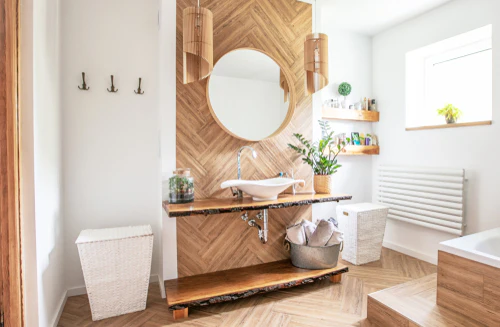
The modern industrial look has become a favorite for bathrooms, blending raw materials with practical surfaces for a space that feels both stylish and hard-wearing. Choosing the right industrial bathroom flooring is crucial for achieving this aesthetic while ensuring durability, water resistance, and easy maintenance. Whether you’re renovating a loft, updating a family bathroom, or designing a new build, there are a variety of flooring options that capture the industrial vibe without sacrificing comfort or function.
In this guide, we’ll explore the most popular materials and finishes, practical tips for installation, and how to balance style with everyday usability. If you’re still weighing your options, our bathroom flooring buyer’s guide offers a comprehensive overview of what to consider before making a final decision.
Key Features of Industrial-Style Bathroom Floors
The industrial look is defined by its use of raw textures, neutral colors, and minimalist finishes. When it comes to floors, this means materials that mimic concrete, stone, or aged wood. These surfaces aren’t just about looks—they’re also chosen for their ability to withstand moisture, heavy use, and frequent cleaning.
- Durability: Industrial-inspired floors are built to last, resisting scratches, dents, and water damage.
- Slip Resistance: Safety is key in wet areas, so textured finishes or anti-slip coatings are often used.
- Easy Maintenance: Surfaces should be simple to clean and resistant to stains or mold growth.
- Visual Impact: The right flooring sets the tone for the whole room, anchoring other design elements like exposed pipes, matte fixtures, and metal accents.
Popular Materials for Industrial Bathroom Flooring
There’s no single “right” material for achieving an industrial look. Instead, consider these top choices, each offering a unique blend of style and practicality.
Concrete and Concrete-Look Surfaces
Polished concrete is a classic choice for industrial spaces. It’s seamless, waterproof when sealed, and provides a cool, modern feel. For those who want the look without the cost or installation challenges, concrete-effect tiles or vinyl planks are excellent alternatives.
Porcelain and Ceramic Tiles with Industrial Finishes
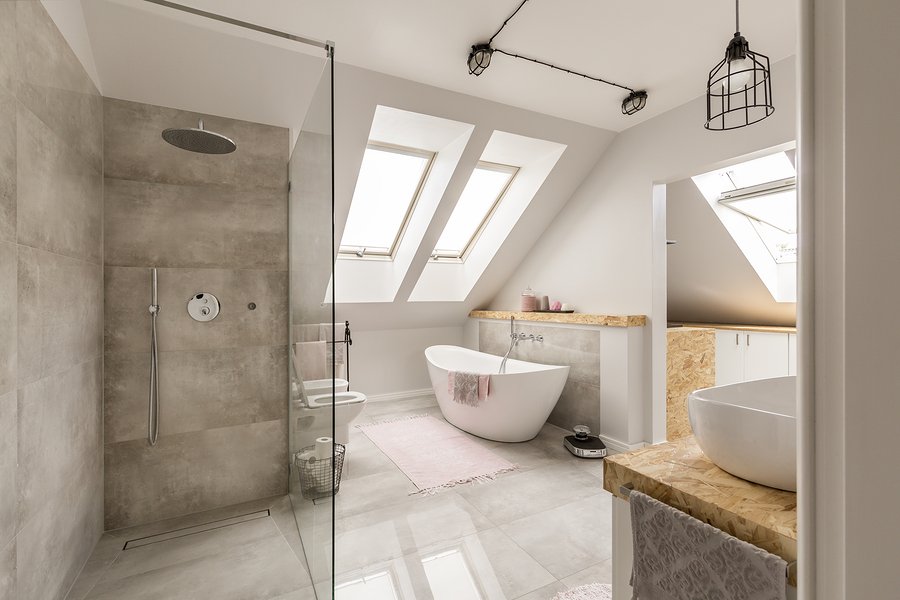
Tiles remain a top pick for bathrooms thanks to their water resistance and design flexibility. For an industrial twist, look for large-format tiles that mimic poured concrete, oxidized metal, or natural stone. Matte finishes and rectified edges enhance the urban vibe, while grout lines can be minimized for a more seamless appearance.
If you’re interested in mixing different tile styles for added visual interest, check out our guide on mixing tile styles on bathroom floor for creative inspiration.
Luxury Vinyl Plank and Tile
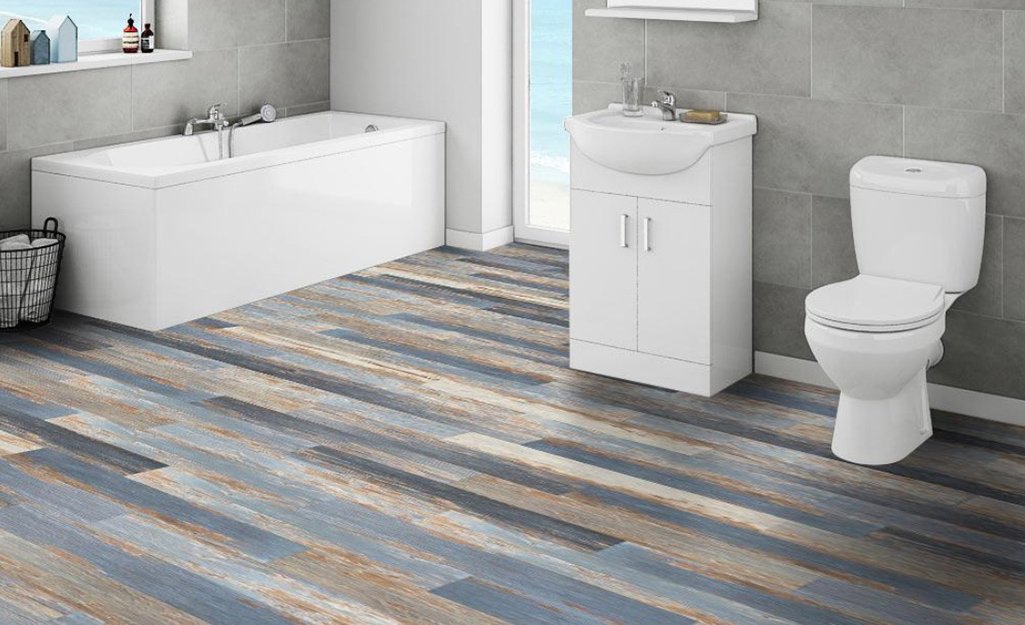
Vinyl flooring has evolved far beyond its utilitarian roots. Modern luxury vinyl planks (LVP) and tiles (LVT) can convincingly replicate concrete, stone, or reclaimed wood, all while offering a softer, warmer feel underfoot. These products are waterproof, easy to install, and budget-friendly, making them a practical choice for busy households.
Design Tips for Achieving an Industrial Look
Creating a cohesive industrial-inspired bathroom involves more than just picking the right floor. Here are some design strategies to help you get the most authentic results:
- Stick to a Neutral Palette: Shades of grey, black, and taupe work well as a base, with occasional pops of color from accessories.
- Mix Textures: Pair smooth floors with rougher wall finishes, exposed brick, or matte black fixtures for added depth.
- Embrace Minimalism: Keep lines clean and clutter to a minimum. Floating vanities and wall-mounted toilets enhance the open, airy feel.
- Use Industrial Lighting: Metal sconces, pendant lights, and visible bulbs reinforce the theme.
Installation and Maintenance Considerations
No matter which material you choose, proper installation is key to long-term performance. Here are a few points to keep in mind:
- Waterproofing: Ensure all seams and edges are sealed, especially around showers and tubs.
- Subfloor Preparation: Industrial-style floors often highlight imperfections, so a level, smooth subfloor is essential.
- Grout and Sealer: Use high-quality grout and sealers to prevent water infiltration and staining, particularly with tiles and concrete.
- Cleaning: Most industrial-inspired surfaces are easy to clean with mild soap and water. Avoid harsh chemicals that can damage finishes.
For more tips on keeping your floors looking their best, see our article on how to avoid lippage in tile installation.
Budget-Friendly Options and Alternatives
Achieving an industrial look doesn’t have to break the bank. Vinyl tiles and planks are among the most affordable bathroom flooring options, offering style and practicality at a lower price point. Peel-and-stick products are especially popular for DIYers, as they require minimal tools and can be installed over existing floors.
If you’re considering tiles, choosing the right size can make a big difference in both appearance and cost. Our guide on how to choose bathroom tile size can help you make an informed decision.
Expert Advice and Inspiration
For more inspiration and technical guidance, resources like the bathroom flooring guide from Design Cafe cover a wide range of materials and design approaches. Browsing real-world examples can help you visualize how different surfaces look in finished spaces and spark ideas for your own project.
Frequently Asked Questions
What is the most durable flooring for an industrial-style bathroom?
Polished concrete, porcelain tile, and luxury vinyl plank are all highly durable choices. Each resists water, stains, and heavy foot traffic, making them ideal for busy bathrooms with an industrial aesthetic.
Can I install industrial-inspired floors myself?
Many vinyl plank and tile products are designed for DIY installation, especially peel-and-stick varieties. Concrete and large-format tiles may require professional installation for best results, particularly if you want a seamless, high-end finish.
How do I maintain the look of industrial bathroom flooring?
Regular cleaning with mild soap and water is usually sufficient. For concrete and tile, periodic resealing may be needed to keep surfaces waterproof and stain-resistant. Always avoid abrasive cleaners that could damage the finish.
Are industrial-style floors cold or uncomfortable?
Concrete and tile can feel cool underfoot, but adding area rugs or underfloor heating can improve comfort. Vinyl planks and tiles are generally warmer and softer, making them a popular choice for family bathrooms.