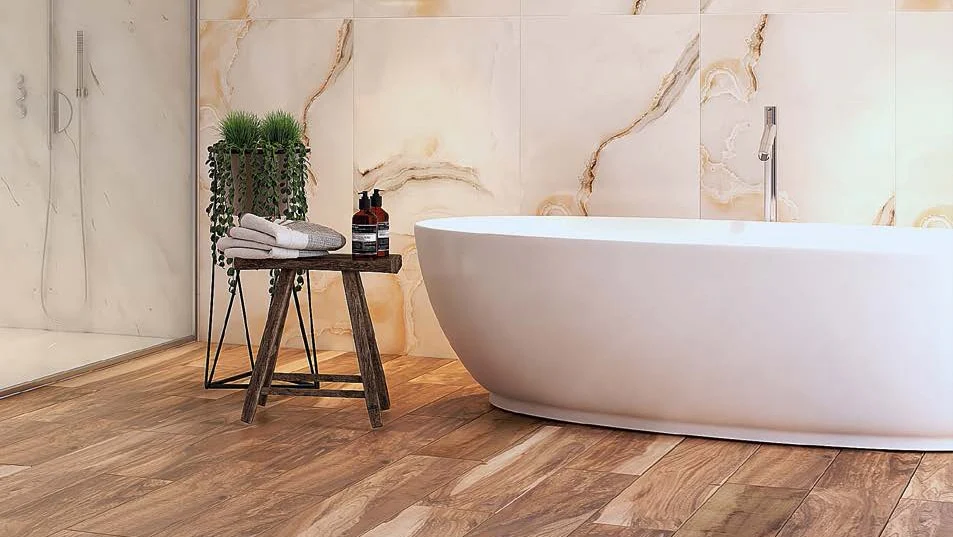
Creating a cohesive look in your bathroom starts with choosing the right combination of wall and floor finishes. The interplay between these surfaces sets the tone for the entire space, influencing both style and comfort. Whether you’re planning a full renovation or a simple update, understanding how to match bathroom walls and floor can help you achieve a balanced, visually appealing result that stands the test of time.
From selecting complementary colors to mixing textures and materials, there are several strategies to ensure your bathroom feels unified and inviting. This article will walk you through practical design principles, popular material choices, and expert tips for coordinating your wall and floor surfaces. If you’re considering new flooring, the Bathroom flooring buyer’s guide offers additional insights to help you make informed decisions.
Key Principles for Coordinating Bathroom Surfaces
Achieving harmony between your bathroom walls and floors involves more than just picking matching colors. Here are some foundational guidelines to help you get started:
- Balance Patterns and Solids: If you choose a bold patterned floor, opt for simpler, solid-colored walls to avoid visual clutter. Conversely, patterned wall tiles pair best with understated flooring.
- Consider Color Temperature: Stick to either warm or cool tones across both surfaces for a unified look. For example, pair cool gray tiles with blue or white walls.
- Mix Textures Thoughtfully: Combining glossy wall tiles with matte flooring can add depth without overwhelming the space.
- Maintain Proportion: Large-format tiles on the floor can make a small bathroom feel bigger, while smaller wall tiles add detail and interest.
Choosing Colors and Patterns That Work Together
Color is a powerful tool in bathroom design. When considering how to match bathroom walls and floor, start by identifying your preferred palette. Neutral tones like whites, grays, and beiges are timeless and easy to coordinate. If you prefer more color, select one dominant shade and use it across both surfaces, introducing variation through texture or pattern.
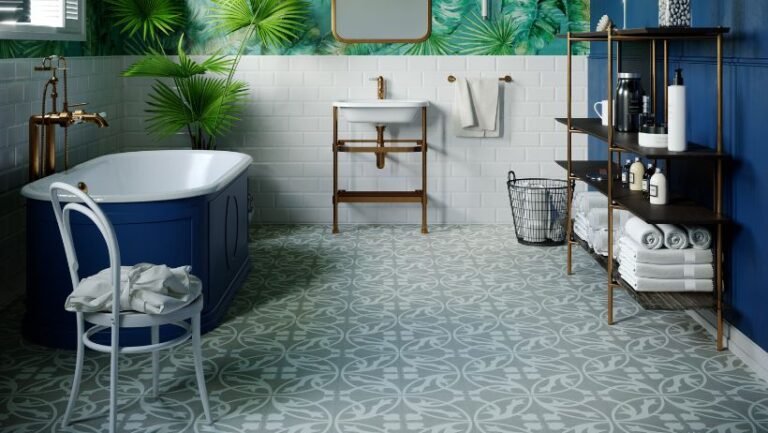
For those who love patterns, try using a statement tile on the floor and echoing one of its colors on the walls. Alternatively, use patterned wall tiles and keep the floor simple. If you want more inspiration, check out these creative bathroom floor ideas for a range of styles and finishes.
Popular Material Combinations for a Cohesive Look
The materials you choose for your bathroom walls and floors play a significant role in both aesthetics and functionality. Here are some tried-and-true combinations:
- Porcelain or Ceramic Tile: Durable and water-resistant, these tiles work well on both walls and floors. Use the same tile in different sizes or patterns for a seamless effect.
- Vinyl Plank Flooring with Painted Walls: Vinyl offers the look of wood or stone with added moisture resistance. Pair with painted or waterproof wall panels for a modern touch.
- Natural Stone Floors and Subway Tile Walls: This pairing brings a spa-like feel and timeless elegance.
- Patterned Floor Tiles and Neutral Walls: Let the floor stand out while keeping the walls understated for a balanced design.
Tips for Mixing and Matching Tiles
Combining different tile styles can add character to your bathroom, but it requires a thoughtful approach. Here are some suggestions for successfully blending tiles:
- Limit Your Palette: Stick to two or three colors to avoid a busy look.
- Vary Scale, Not Style: Use the same tile in different sizes or shapes for subtle contrast.
- Use Borders or Accent Strips: These can help transition between different tiles and define zones within the bathroom.
- Coordinate Grout Colors: Matching grout to your tiles can create a seamless appearance, while contrasting grout highlights patterns.
For more on combining different tile types, see this guide on mixing tile styles on bathroom floor.
Practical Considerations for Bathroom Renovations
Beyond aesthetics, it’s important to consider the practical aspects of matching your bathroom walls and floors. Moisture, durability, and ease of cleaning should all influence your choices. Here are a few tips:
- Choose Water-Resistant Materials: Porcelain, ceramic, and vinyl are all excellent choices for wet environments.
- Plan for Slip Resistance: Select textured or matte finishes for floors to reduce the risk of slipping.
- Think About Maintenance: Large-format tiles and fewer grout lines mean less cleaning.
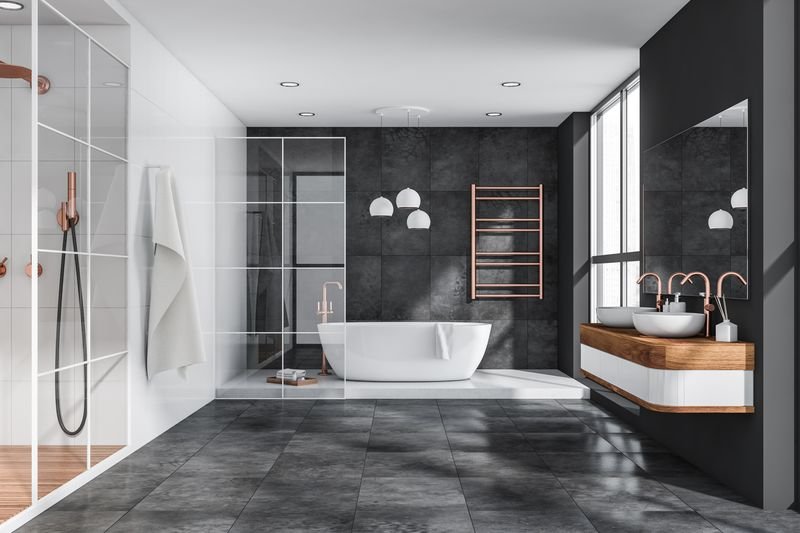
- Coordinate with Fixtures: Make sure your wall and floor choices complement your vanity, tub, and other fixtures for a unified look.
If you’re working within a budget, explore the most affordable bathroom flooring options to find stylish solutions that won’t break the bank.
Expert Advice for a Cohesive Bathroom Design
Interior designers often recommend starting with the floor and building your scheme upward. This approach helps anchor the space and makes it easier to select wall finishes that complement your foundation. Here are a few more expert tips:
- Sample Before You Commit: Bring home samples of your chosen tiles or paint colors and view them together in your bathroom’s lighting.
- Don’t Forget Tile Size: The right tile size can make a big difference in how spacious your bathroom feels. For guidance, see this article on how to choose bathroom tile size.
- Professional Installation Matters: Proper installation is key to a polished look. Learn tips on how to avoid lippage in tile installation for smooth, even surfaces.
Frequently Asked Questions
Should bathroom walls and floors be the same color?
They don’t have to be. Using the same color can create a seamless, spa-like effect, but mixing complementary shades or contrasting tones often adds more depth and interest to the space. The key is to ensure the colors work well together and suit your overall design vision.
What materials are best for matching bathroom walls and floors?
Porcelain and ceramic tiles are popular for both walls and floors due to their durability and water resistance. Vinyl planks, natural stone, and waterproof wall panels are also excellent choices. Always consider moisture resistance and ease of maintenance when selecting materials.
How do I choose grout color for a cohesive look?
For a seamless appearance, match the grout color closely to your tiles. If you want to highlight patterns or shapes, use a contrasting grout. Test samples in your bathroom’s lighting before making a final decision.
Can I mix different tile styles in a small bathroom?
Yes, but keep the palette limited and avoid overly busy patterns. Using the same color family or varying the scale of a single tile style can help maintain a sense of space and cohesion.