Choosing the right bathroom floor is about more than just style and durability—understanding the warranty that comes with your flooring is just as important. Homeowners often overlook the fine print, but knowing what’s covered can save money and frustration down the line. This article breaks down the essentials of bathroom flooring warranties, helping you make informed decisions and avoid common pitfalls.
Whether you’re installing vinyl, tile, or another surface, the warranty terms can vary widely. By understanding the scope and limitations of these guarantees, you’ll be better prepared to select a product that matches your needs and expectations. For those looking to compare options, the Bathroom flooring buyer’s guide offers a comprehensive overview of materials and features.
Understanding the Basics of Bathroom Flooring Guarantees
When you purchase new flooring for your bathroom, the warranty is your assurance that the product will perform as promised. These guarantees typically outline what is covered, for how long, and under what circumstances. Most warranties fall into one of three categories:
- Manufacturer’s warranty: Covers defects in materials or workmanship.
- Wear warranty: Promises the floor will not wear through or lose its finish within a specified period.
- Waterproof or moisture warranty: Ensures the floor will resist water damage under normal use.
It’s important to note that not all warranties are created equal. Some only cover specific issues, while others are more comprehensive. Always read the documentation carefully to understand the scope of protection.
Key Terms and Conditions in Bathroom Floor Warranties
Every warranty comes with its own set of terms and conditions. Here are some of the most common elements you’ll encounter:
- Coverage period: The length of time the warranty is valid, which can range from a few years to a lifetime.
- Exclusions: Specific circumstances or types of damage that are not covered, such as improper installation, misuse, or accidents.
- Transferability: Whether the warranty can be transferred to a new homeowner if you sell your house.
- Proof of purchase: Most manufacturers require you to provide a receipt or other documentation to make a claim.
- Maintenance requirements: Some warranties are voided if you don’t follow the manufacturer’s care instructions.
Understanding these details can help you avoid surprises if you ever need to file a claim. For additional tips on installation and maintenance, see our guide on how to avoid lippage in tile installation.
Common Types of Bathroom Flooring and Their Warranty Features
Different flooring materials come with different warranty structures. Here’s a closer look at what you can expect from the most popular options:
Vinyl and Luxury Vinyl Plank
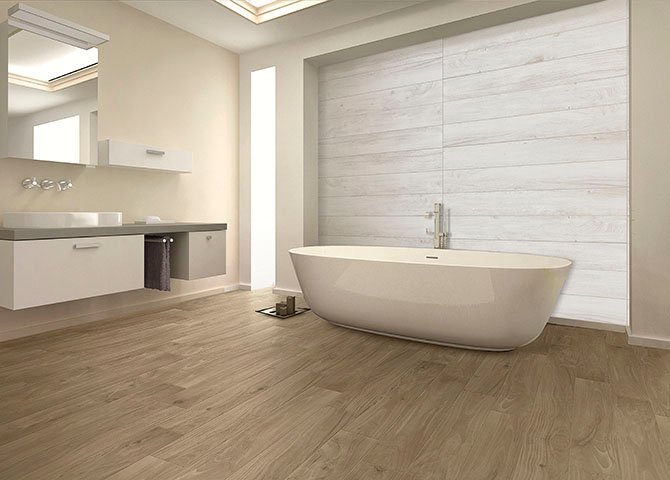
Vinyl flooring is a popular choice for bathrooms due to its water resistance and affordability. Most vinyl products offer a manufacturer’s warranty against defects and a wear warranty, typically ranging from 10 to 25 years. Some high-end products also include a waterproof guarantee, but be sure to check if this covers both surface spills and subfloor moisture.
Porcelain and Ceramic Tile
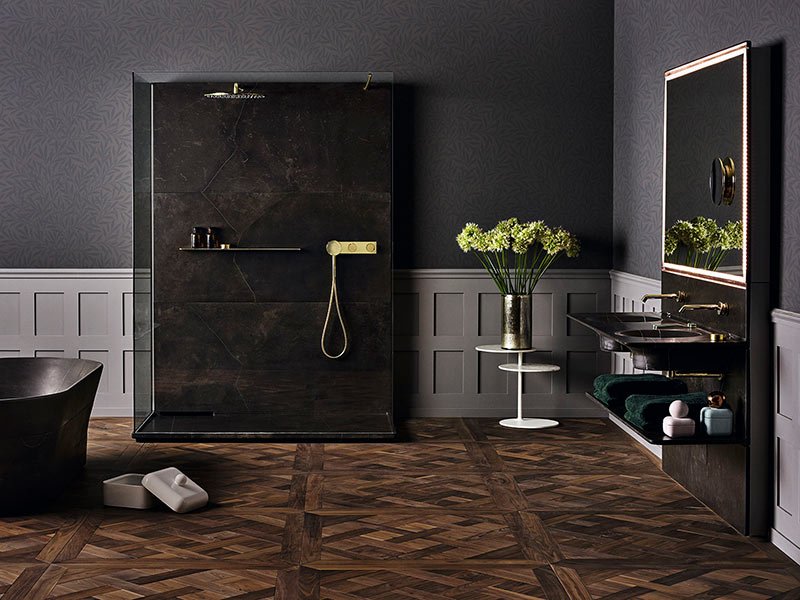
Tile flooring is known for its durability and water resistance. Warranties for tile often focus on manufacturing defects, with coverage periods from 10 years to lifetime. However, most do not cover issues related to installation or grout failure. Proper installation is critical, so review our advice on mixing tile styles on bathroom floor to ensure the best results.
Natural Stone and Engineered Surfaces
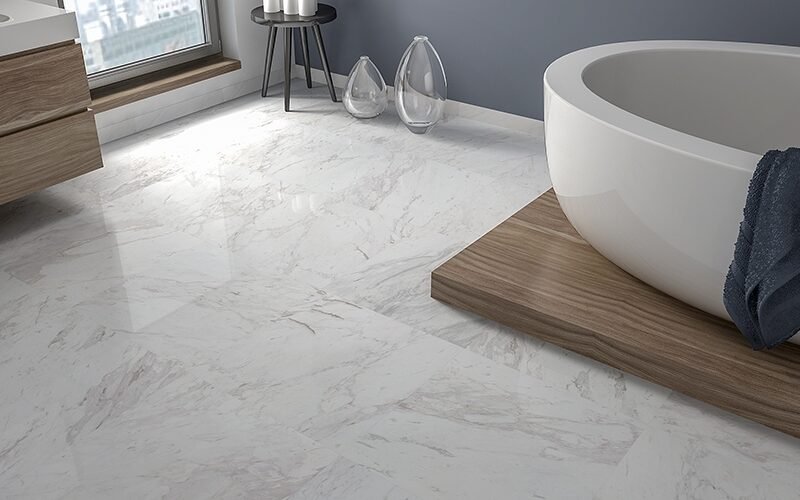
Natural stone floors, such as marble or slate, often come with more limited warranties, focusing mainly on manufacturing defects. Engineered stone products may offer broader coverage, but both types usually exclude damage from improper sealing or cleaning. Always follow the manufacturer’s care instructions to maintain your warranty.
Factors That Can Void Your Bathroom Flooring Coverage
Even the best warranty can be voided if certain conditions aren’t met. Here are some common reasons claims are denied:
- Improper installation: If the floor isn’t installed according to manufacturer guidelines, coverage may be lost.
- Incorrect cleaning products: Using harsh chemicals or abrasive tools can damage the surface and void the warranty.
- Standing water or flooding: Most warranties exclude damage from excessive moisture or flooding events.
- Failure to maintain: Skipping recommended maintenance can lead to denied claims.
To get the most from your investment, review the care and installation instructions carefully. For more on choosing the right size and type of tile, see our resource on how to choose bathroom tile size.
How to Make a Warranty Claim for Your Bathroom Floor
If you experience an issue that you believe is covered, follow these steps to maximize your chances of a successful claim:
- Gather your proof of purchase and any warranty documentation.
- Document the problem with photos and a written description.
- Contact the manufacturer or retailer as soon as possible.
- Follow their instructions for submitting a claim, which may include an inspection.
- Keep records of all communication and responses.
Acting quickly and providing thorough documentation can help resolve your claim efficiently.
Comparing Warranty Terms When Shopping for Bathroom Floors
When evaluating different flooring options, don’t just compare price and appearance—review the warranty terms as well. Look for:
- Length of coverage: Longer isn’t always better if there are many exclusions.
- What’s included: Does the warranty cover water damage, wear, or just defects?
- Ease of making a claim: Some companies have straightforward processes, while others are more restrictive.
For inspiration and current trends, explore bathroom flooring styles and trends to see what’s popular and which products offer the best protection.
Frequently Asked Questions
What is typically covered under a bathroom flooring warranty?
Most warranties cover manufacturing defects, such as issues with the material or finish. Some also include protection against wear or water damage, but always check the specific terms for your product.
Can I transfer my bathroom floor warranty to a new homeowner?
Some warranties are transferable, but many are not. If you plan to sell your home, check the warranty documentation or ask the manufacturer about transfer policies.
How can I avoid voiding my flooring warranty?
Follow all installation and maintenance instructions provided by the manufacturer. Avoid using unapproved cleaning products and address spills or standing water promptly to maintain your coverage.
Are labor costs included in bathroom flooring warranties?
Most warranties only cover the cost of materials, not labor. Some premium products may include limited labor coverage, so review the warranty details before purchase.
Conclusion
Understanding the details of bathroom floor warranties empowers you to make confident decisions and protect your investment. By reading the fine print, following care instructions, and choosing products with strong coverage, you can enjoy peace of mind and a beautiful, long-lasting bathroom floor. For more guidance on affordable options, check out our article on most affordable bathroom flooring.