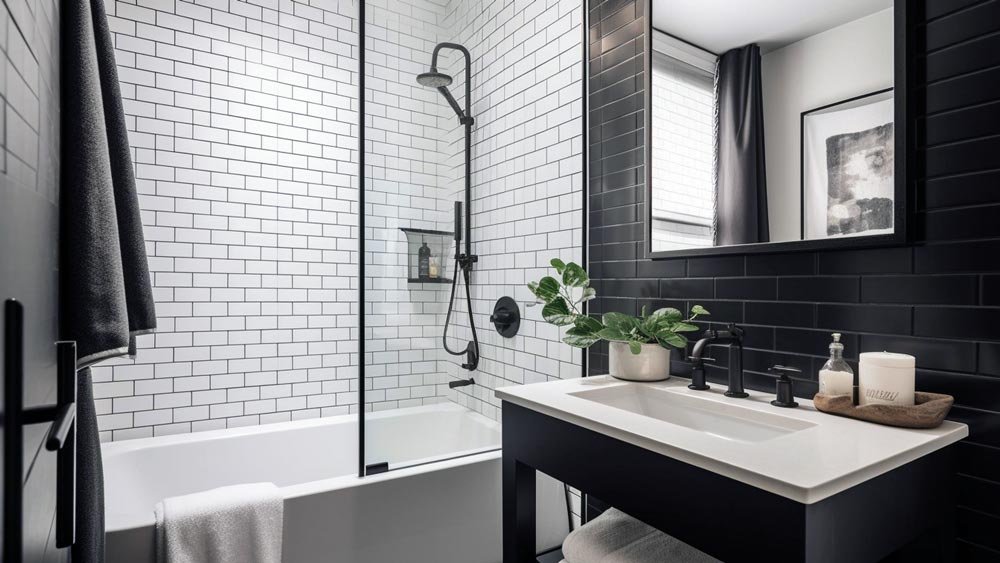
Remodeling a bathroom presents an opportunity to make choices that are not only stylish and functional but also environmentally responsible. Selecting sustainable bathroom materials can help reduce your ecological footprint, improve indoor air quality, and create a healthier home for years to come. Whether you’re planning a full renovation or a simple refresh, understanding your options for eco-friendly surfaces, fixtures, and finishes is key to making informed decisions.
From recycled tiles to responsibly sourced wood and water-saving fixtures, this guide explores practical ways to incorporate green building materials into your next project. If you’re still in the planning phase, it’s helpful to start by measuring bathroom space correctly to ensure your remodel is both efficient and sustainable.
Why Choose Eco-Friendly Bathroom Materials?
Opting for sustainable bathroom materials benefits both the environment and your household. These products are often made from renewable resources, recycled content, or materials that require less energy to produce. They typically emit fewer volatile organic compounds (VOCs), which means better indoor air quality and a healthier home environment. Additionally, many green materials are durable and low maintenance, reducing the need for frequent replacements.
Making conscious choices during your remodel can also add value to your property and appeal to future buyers who prioritize sustainability. By selecting products that are responsibly sourced and manufactured, you’re supporting a market shift toward greener building practices.
Top Sustainable Surface Options for Bathrooms
When it comes to surfaces like flooring, walls, and countertops, there are several eco-friendly alternatives to conventional materials. Here are some of the most popular and practical options:
- Bamboo: A rapidly renewable resource, bamboo is ideal for flooring and cabinetry. It’s naturally resistant to moisture and can be finished with low-VOC sealants.
- Recycled Glass Tiles: These tiles are made from post-consumer glass and come in a variety of colors and finishes. They’re perfect for backsplashes, shower walls, and accent strips.
- Reclaimed Wood: Salvaged wood from old buildings or furniture can be repurposed for vanities, shelving, or decorative accents. Look for pieces that are sealed with non-toxic finishes.
- Recycled Porcelain or Ceramic: Some manufacturers offer tiles made from recycled content, reducing landfill waste and the need for new raw materials.
- Natural Stone: While stone is a finite resource, choosing locally sourced or salvaged stone can minimize transportation emissions and environmental impact.
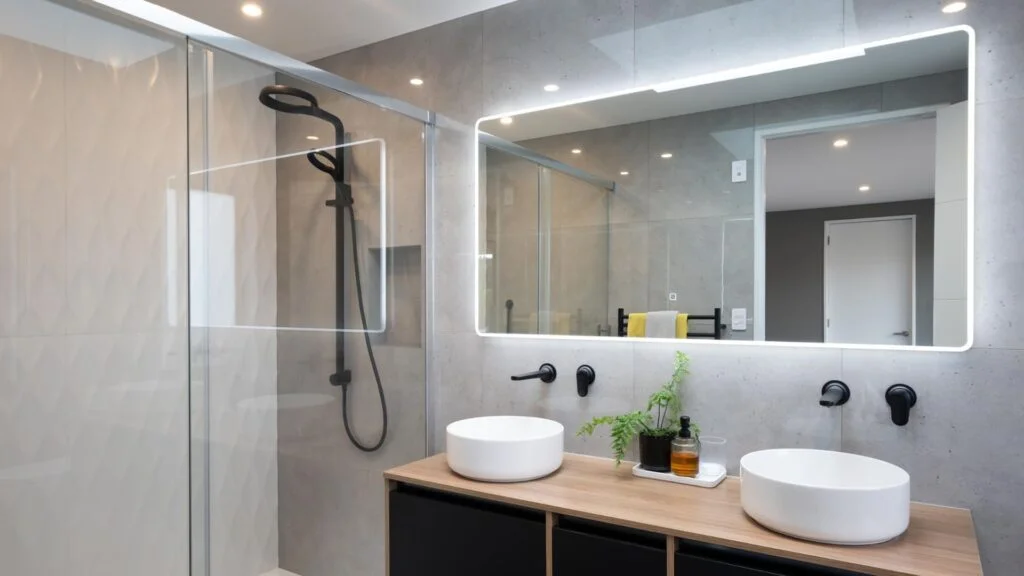
Eco-Conscious Fixtures and Fittings
Beyond surfaces, the fixtures and fittings you choose play a significant role in the overall sustainability of your bathroom. Here are some ways to make greener choices:
- Low-Flow Toilets and Faucets: These fixtures use significantly less water without sacrificing performance. Look for WaterSense-labeled products for verified efficiency.
- Recycled Metal Hardware: Towel bars, handles, and other hardware made from recycled aluminum or stainless steel reduce the demand for virgin materials.
- LED Lighting: Switching to LED bulbs or integrated fixtures cuts energy consumption and lasts much longer than traditional lighting.
- Natural Ventilation: Where possible, incorporate operable windows or skylights to reduce reliance on mechanical ventilation and improve air quality.
For more inspiration on integrating style and sustainability, check out ideas for bathroom sink styles that complement eco-friendly materials.
Responsible Paints, Sealants, and Adhesives
Many conventional paints, sealants, and adhesives contain high levels of VOCs, which can off-gas for months after application. To keep your bathroom remodel healthy and sustainable, opt for:
- Low-VOC or Zero-VOC Paints: These products emit fewer harmful chemicals and are widely available in a range of finishes and colors.
- Natural Sealants: Look for plant-based or water-based sealants for wood and tile surfaces.
- Eco-Friendly Adhesives: Choose adhesives labeled as non-toxic or solvent-free to minimize indoor air pollution.
Tips for Sourcing and Installing Green Materials
Finding and installing sustainable bathroom materials doesn’t have to be complicated. Here are a few tips to help you get started:
- Research Certifications: Look for products certified by organizations like FSC (Forest Stewardship Council), Greenguard, or Cradle to Cradle, which ensure responsible sourcing and manufacturing.
- Prioritize Local Suppliers: Sourcing materials locally reduces transportation emissions and supports your community.
- Reuse and Repurpose: Salvage existing fixtures or repurpose materials from other parts of your home to minimize waste.
- Work with Experienced Contractors: Choose professionals familiar with eco-friendly building practices to ensure proper installation and maximize the benefits of your green materials.
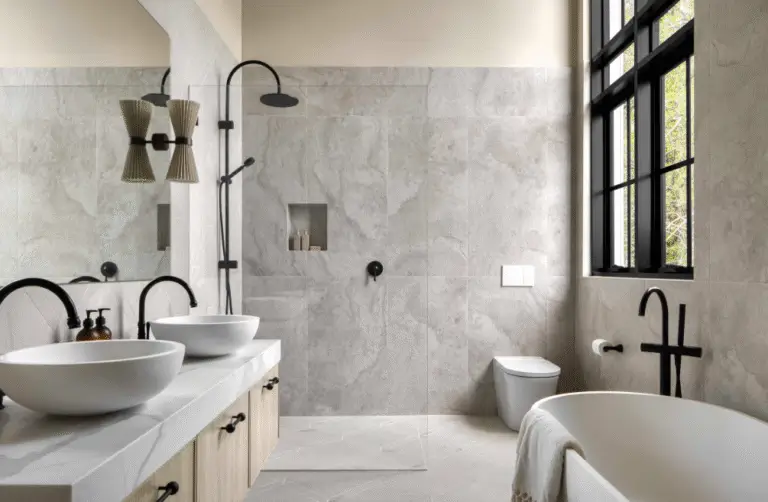
Common Mistakes to Avoid During a Green Remodel
Even with the best intentions, it’s easy to overlook important details when pursuing an eco-friendly renovation. Some common pitfalls include:
- Choosing products labeled as “green” without verifying certifications or actual environmental impact.
- Neglecting to consider the full lifecycle of materials, including how they are manufactured, transported, and disposed of.
- Overlooking water-saving opportunities by not upgrading to efficient fixtures.
- Failing to plan for proper ventilation, which is crucial for moisture control and air quality.
For a deeper look at what to watch out for, review this comprehensive guide to common bathroom remodel mistakes so you can avoid setbacks and maximize your project’s positive impact.
Blending Sustainability With Style
Eco-friendly choices don’t mean sacrificing aesthetics. Many sustainable bathroom materials are available in a wide range of colors, textures, and finishes to suit any design preference. Whether you prefer a modern, minimalist look or a cozy, rustic vibe, there are green options to match your vision. For example, pairing recycled glass tiles with reclaimed wood creates a unique contrast, while bamboo cabinetry offers a sleek, contemporary feel.
If you’re looking for more inspiration on how to create a beautiful, low-maintenance space, explore these low maintenance bathroom ideas that save time and effort while supporting sustainability.
Frequently Asked Questions
What are the most durable eco-friendly materials for bathroom remodels?
Some of the most durable options include recycled glass tiles, bamboo, and reclaimed wood. These materials are not only long-lasting but also resistant to moisture and wear when properly sealed and maintained.
How can I ensure the materials I choose are truly sustainable?
Look for third-party certifications such as FSC, Greenguard, or Cradle to Cradle. Research the manufacturer’s sourcing and production practices, and prioritize products with recycled content or those sourced locally.
Are eco-friendly bathroom materials more expensive?
While some green products may have a higher upfront cost, they often save money in the long run due to their durability and efficiency. Additionally, the growing demand for sustainable options has made many products more affordable and widely available.
Can I use recycled materials in small bathrooms?
Absolutely. Recycled tiles, compact bamboo vanities, and salvaged wood shelving are all excellent choices for maximizing sustainability in bathrooms of any size.
Conclusion
Choosing sustainable bathroom materials is a practical way to reduce your environmental impact while creating a stylish, functional space. By prioritizing recycled, renewable, and responsibly sourced products, you can enjoy a healthier home and contribute to a greener future. Thoughtful planning, research, and attention to detail will ensure your remodel is both beautiful and earth-friendly.