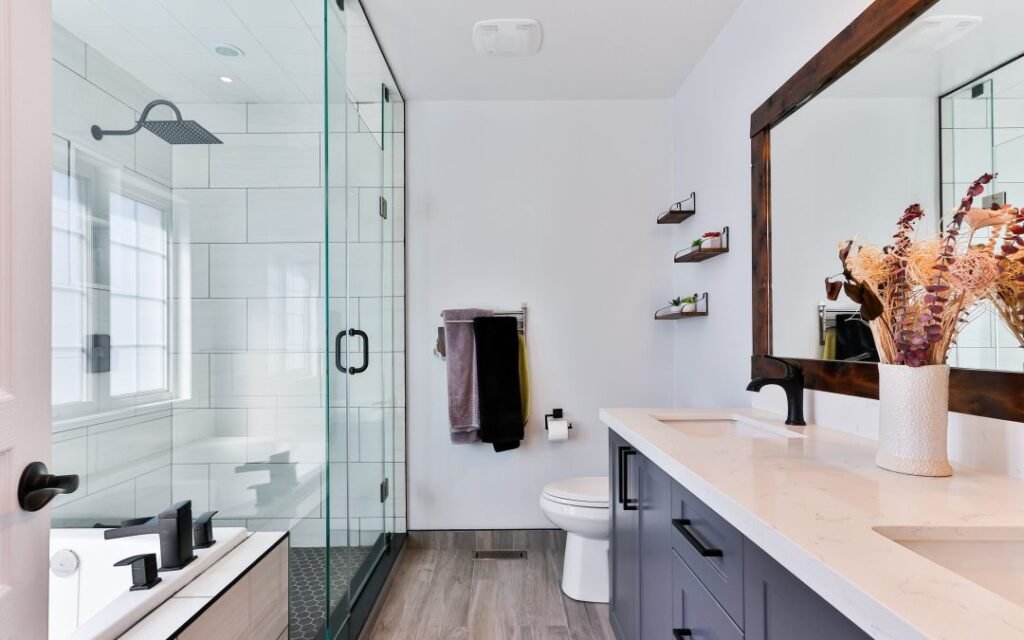
Transforming your bathroom into a relaxing retreat often starts with a single centerpiece: the freestanding tub. These elegant fixtures have become a favorite for homeowners and designers alike, offering both visual impact and a luxurious bathing experience. Whether you’re planning a full remodel or simply want to refresh your space, exploring freestanding bathtub ideas can help you create a bathroom that truly stands out.
From sculptural modern soakers to classic clawfoot designs, there’s a style to suit every taste and layout. In this guide, you’ll discover creative ways to incorporate a freestanding tub, tips for maximizing both function and style, and inspiration for making your bathroom feel like a spa. If you’re still in the planning phase, don’t forget the importance of measuring bathroom space correctly to ensure your chosen tub fits perfectly and enhances the room’s flow.
Why Choose a Freestanding Tub?
Freestanding bathtubs are more than just a place to soak—they’re a design statement. Unlike built-in models, these tubs stand alone and can be positioned almost anywhere in the room, giving you flexibility and creative freedom. Here are a few reasons why homeowners are drawn to these striking fixtures:
- Visual Impact: A freestanding tub instantly becomes the focal point of the bathroom, drawing the eye and setting the tone for the entire space.
- Versatility: With a wide range of shapes, materials, and finishes, you can find a tub that complements any decor style, from ultra-modern to vintage-inspired.
- Easy Installation: Since they don’t require a built-in surround, installation can be simpler and less invasive, especially in remodels.
- Luxurious Feel: The open space around the tub creates a spa-like atmosphere, perfect for unwinding after a long day.
Modern Freestanding Bathtub Ideas for Contemporary Spaces
If your taste leans toward clean lines and minimalist design, consider a sleek, modern tub. Look for models with smooth curves, matte finishes, or bold geometric shapes. Placing the tub in front of a large window or under a skylight can amplify the sense of openness and relaxation.
Pair your tub with streamlined fixtures, floating vanities, and neutral color palettes to keep the look cohesive. For added drama, a black or deep charcoal tub can create a striking contrast in a light-filled room.
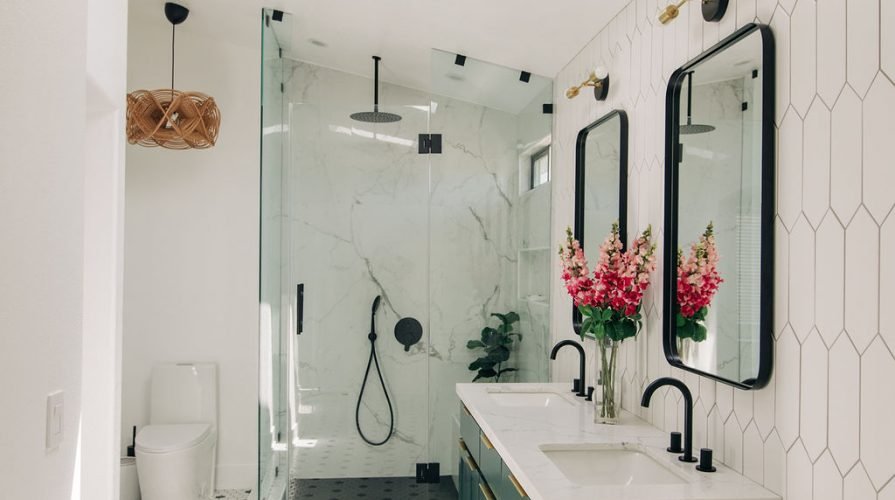
Classic and Vintage-Inspired Tub Designs
For those who love timeless elegance, clawfoot and pedestal tubs remain popular choices. These designs evoke a sense of old-world charm and can be paired with traditional fixtures, ornate mirrors, and rich tilework. Opt for a white porcelain finish for a crisp, clean look, or choose a colored exterior for a touch of personality.
Adding a vintage-style tub filler or exposed plumbing can enhance the classic vibe. Consider placing the tub on patterned floor tiles or near a decorative window to complete the look.
If you’re interested in more enduring design inspiration, check out timeless bathroom design ideas for tips on creating a space that never goes out of style.
Creative Placement for Maximum Impact
One of the greatest advantages of a freestanding tub is the flexibility in placement. Here are a few creative ways to position your tub for maximum effect:
- Center Stage: Place the tub in the middle of the room for a true showstopper, especially in larger bathrooms with open layouts.
- Window Views: Situate the tub near a window to take advantage of natural light and scenic views. Frosted glass or privacy screens can offer seclusion without sacrificing brightness.
- Alcoves and Nooks: Tuck the tub into a cozy alcove or corner to create an intimate bathing area, perfect for smaller spaces.
- Double Duty: In shared bathrooms, consider a layout with dual vanities flanking the tub, or use a partial wall to separate the bathing area from the rest of the space.
When planning your layout, remember to leave enough clearance around the tub for cleaning and easy access. For more tips on maximizing your space, explore cheap bathroom makeover ideas that don’t compromise on style.

Materials and Finishes to Consider
Today’s freestanding tubs are available in a range of materials, each offering unique benefits and aesthetics. Here are some popular options:
- Acrylic: Lightweight, affordable, and available in many shapes and sizes. Acrylic tubs retain heat well and are easy to clean.
- Cast Iron: Known for durability and classic appeal, cast iron tubs are heavy and hold heat for longer soaks. They often feature a glossy enamel finish.
- Stone Resin: Mimics the look of natural stone while being lighter and more budget-friendly. These tubs offer a modern, sculptural feel.
- Copper or Brass: For a bold, artisanal touch, metal tubs develop a unique patina over time and can be a true conversation piece.
When choosing a finish, consider how it will coordinate with other elements in your bathroom, such as faucets, lighting, and tilework. For more inspiration on mixing materials, take a look at bathroom sink styles that complement your chosen tub.
Accessorizing Your Freestanding Tub
To make the most of your new centerpiece, consider adding accessories that enhance both function and comfort. A stylish tub caddy or tray can hold bath essentials, a book, or a glass of wine. Plush towels, a bath pillow, and a nearby stool or side table add to the spa-like atmosphere.
Don’t forget about practical upgrades, such as a shower filter for softer water or adhesive organizers to keep toiletries within reach. These small touches can elevate your daily routine and keep your bathroom clutter-free.
If you’re a fan of hands-on projects, you might enjoy exploring diy bathroom decor projects to personalize your space even further.
Planning Your Remodel: Tips for Success
Before you commit to a new tub, take time to plan your remodel carefully. Measure your space, consider plumbing requirements, and think about how the tub will fit with your overall design vision. Consulting a professional can help you avoid costly mistakes and ensure a smooth installation.
For a comprehensive approach, you may want to read this step-by-step guide to planning a bathroom renovation for expert advice on budgeting, timelines, and choosing the right materials.
Remember, the best freestanding bathtub ideas are those that reflect your personal style and meet your practical needs. With thoughtful planning and a touch of creativity, you can create a bathroom that’s both beautiful and functional.
Frequently Asked Questions
What size bathroom do I need for a freestanding tub?
While freestanding tubs come in various sizes, you’ll want at least 60 inches in length and 30 inches in width for the tub itself, plus extra clearance around all sides for comfortable access and cleaning. Always measure your available space and consider door swings, vanities, and other fixtures before purchasing.
Are freestanding tubs difficult to clean?
Cleaning around and under a freestanding tub is generally straightforward, especially if there’s enough clearance. Choose a tub material that’s easy to maintain, and use a handheld shower or detachable faucet for rinsing. Keeping the area clutter-free will also help simplify cleaning.
Can I install a shower with a freestanding tub?
It’s possible to add a shower to a freestanding tub, typically using a floor-mounted or ceiling-mounted shower ring with a curtain. However, this setup may not be as watertight as a built-in shower, so it’s best suited for bathrooms with good drainage and water-resistant finishes.