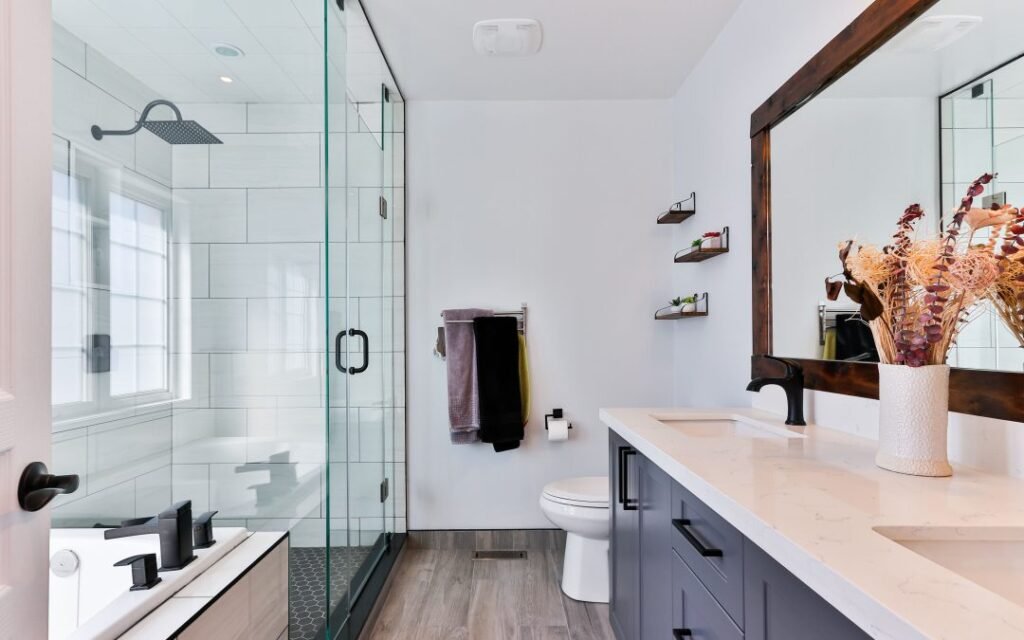
Embarking on a bathroom remodel can be both exciting and overwhelming. Whether you’re updating a dated space, improving functionality, or increasing your home’s value, a well-structured bathroom renovation planning guide is essential for success. Careful preparation helps you avoid common pitfalls, stay on budget, and achieve a result that fits your lifestyle and needs.
This article breaks down the key steps, considerations, and expert tips for planning a bathroom upgrade from start to finish. You’ll find practical advice on setting goals, budgeting, choosing materials, and working with professionals. If you’re looking for inspiration or want to ensure your project runs smoothly, you’re in the right place.
Before diving into the details, it’s helpful to get accurate measurements of your space. For a step-by-step approach, see measuring bathroom space correctly to lay a solid foundation for your renovation plan.
Clarifying Your Vision and Goals
Every successful remodel starts with a clear understanding of what you want to achieve. Are you aiming for a modern spa-like retreat, a family-friendly layout, or simply updating fixtures and finishes? Make a list of your top priorities, such as:
- Improving storage and organization
- Enhancing lighting and ventilation
- Upgrading to water-efficient fixtures
- Increasing accessibility or safety features
- Boosting property value
Gather inspiration from magazines, online galleries, or resources like bathroom remodel inspiration to help refine your vision. Save photos, color palettes, and product ideas to share with your contractor or designer.
Setting a Realistic Budget
Budgeting is a crucial step in any bathroom renovation planning guide. Costs can vary widely depending on the size of your space, the quality of materials, and whether you’re making structural changes. Typical expenses include:
- Demolition and disposal
- Plumbing and electrical work
- Fixtures (toilets, sinks, bathtubs, showers)
- Cabinetry and countertops
- Flooring and wall finishes
- Lighting and ventilation
- Labor and permits
It’s wise to set aside a contingency fund—usually 10–20% of your total budget—for unexpected issues. For those seeking affordable upgrades, explore cheap bathroom makeover ideas that deliver great results without breaking the bank.
Design and Layout Considerations
Once you’ve defined your goals and budget, focus on the layout. Efficient use of space is key, especially in smaller bathrooms. Consider the following:
- Traffic flow and accessibility
- Optimal placement of fixtures
- Storage solutions (vanities, shelves, medicine cabinets)
- Lighting zones (ambient, task, accent)
- Ventilation to prevent moisture buildup
Think about your daily routines and how the space can support them. For example, a double vanity may be ideal for shared bathrooms, while a walk-in shower can maximize accessibility. Reviewing bathroom sink styles can help you choose the right fixture for your needs and design preferences.

Choosing Materials and Fixtures
Material selection plays a major role in both the appearance and durability of your new bathroom. When choosing tiles, countertops, and fixtures, consider:
- Water resistance and ease of cleaning
- Slip resistance for flooring
- Quality and longevity of finishes
- Style consistency with the rest of your home
Popular choices for bathroom surfaces include porcelain or ceramic tile, quartz or granite countertops, and moisture-resistant paint. For fixtures, look for water-saving toilets and faucets with EPA WaterSense certification. If you enjoy hands-on projects, check out diy bathroom decor projects to add personal touches without a major investment.
Hiring Professionals vs. DIY
Deciding whether to hire professionals or tackle some tasks yourself depends on your budget, timeline, and skill level. While painting or installing accessories can be DIY-friendly, plumbing, electrical, and waterproofing are best left to licensed experts. Hiring a reputable contractor ensures work is up to code and reduces the risk of costly mistakes.
When interviewing contractors, ask for references, verify insurance, and get detailed written estimates. For more guidance, consult a step-by-step bathroom renovation guide from industry experts to understand what to expect during each phase of the process.

Timeline and Project Management
Managing expectations around timing is important. A typical bathroom remodel can take anywhere from two to six weeks, depending on the scope of work and availability of materials. Here’s a general sequence:
- Planning and design (1–3 weeks)
- Ordering materials (1–4 weeks, may overlap with planning)
- Demolition (1–3 days)
- Rough plumbing and electrical (2–5 days)
- Inspections (as required by local codes)
- Installation of fixtures, tile, and finishes (1–3 weeks)
- Final touches and cleanup (1–3 days)
Delays can occur due to backordered products, permit issues, or unforeseen repairs. Communicate regularly with your contractor and keep a written schedule to track progress.
Maximizing Value and Enjoyment
With thoughtful planning, your bathroom upgrade can enhance both daily comfort and long-term value. Focus on features that matter most to you, such as heated floors, built-in storage, or a luxurious shower system. Don’t overlook small details like towel hooks, mirrors, and lighting dimmers—they can make a big difference in usability.
After completion, maintain your new space with regular cleaning and prompt repairs. For ongoing inspiration and budget-friendly tips, revisit resources like cheap bathroom makeover ideas and explore seasonal updates to keep your bathroom fresh and inviting.
Frequently Asked Questions
How do I estimate the cost of a bathroom remodel?
Start by listing all desired changes, then research average prices for materials and labor in your area. Get multiple quotes from contractors and include a contingency fund for unexpected expenses. Online calculators and professional consultations can also help you set a realistic budget.
What are the most important steps in planning a bathroom renovation?
Begin by defining your goals and priorities, then measure your space and create a layout. Set a budget, choose materials and fixtures, and decide which tasks require professional help. Obtain necessary permits and develop a timeline to keep your project on track.
Can I renovate my bathroom myself, or should I hire a contractor?
Simple updates like painting or installing accessories can often be done DIY. However, plumbing, electrical, and waterproofing work should be handled by licensed professionals to ensure safety and compliance with local codes. Assess your skills and the complexity of the project before deciding.