
Taking on a bathroom renovation for beginners can feel overwhelming, but with the right approach, it’s entirely manageable—even for those with limited experience. Whether you want to update outdated fixtures, improve storage, or simply give your space a fresh look, understanding the process is key to a successful transformation. This guide breaks down the essential steps, tips, and common pitfalls so you can confidently tackle your first bathroom remodel.
Before diving into demolition or shopping for tiles, it’s important to assess your current bathroom, set a realistic budget, and plan each stage carefully. Early preparation helps prevent costly mistakes and ensures your project stays on track. If you’re unsure where to begin, resources like measuring bathroom space correctly can help you start with accurate dimensions and a clear vision.
Planning Your First Bathroom Remodel
Every successful project starts with a solid plan. For those new to home improvement, begin by listing your priorities. Are you focused on updating the look, improving functionality, or both? Consider these planning steps:
- Assess Your Needs: Identify what doesn’t work in your current bathroom. Is it the lack of storage, poor lighting, or outdated fixtures?
- Set a Budget: Determine how much you can comfortably spend. Factor in a 10–15% buffer for unexpected expenses.
- Gather Inspiration: Browse magazines, websites, and social media for styles and features you like. Save images and notes for reference.
- Measure Accurately: Use a tape measure and record the dimensions of your space. This ensures you select fixtures and furniture that fit.
- Research Permits: Some renovations require permits, especially if you’re moving plumbing or electrical. Check local regulations before starting.
For more detailed advice on measuring and planning, see our guide on measuring bathroom space correctly.
Choosing Materials and Fixtures on a Budget
One of the biggest challenges for newcomers is selecting materials that balance style, durability, and cost. Here are some tips to help you make smart choices:
- Tiles: Porcelain and ceramic are popular for floors and walls. They’re water-resistant, easy to clean, and come in a variety of designs.
- Vanities: Look for pre-assembled vanities if you want to avoid complex installation. Consider models with built-in storage to maximize space.
- Fixtures: Chrome and brushed nickel are classic, affordable finishes for taps and showerheads. Opt for water-saving models to reduce utility bills.
- Paint: Choose mold-resistant, washable paint for walls and ceilings. Light colors can make small bathrooms feel larger.
If you’re looking for inspiration on affordable upgrades, our article on cheap bathroom makeover ideas offers practical solutions that don’t sacrifice style.

Step-by-Step Process for First-Time Renovators
Breaking down the process into manageable steps helps beginners stay organized and reduces stress. Here’s a typical sequence for a basic bathroom update:
- Preparation: Remove personal items, cover floors, and shut off water supply. Take photos of the existing layout for reference.
- Demolition: Carefully remove old fixtures, tiles, and cabinetry. Wear safety gear and dispose of debris responsibly.
- Plumbing and Electrical: If you’re moving pipes or wiring, consult a licensed professional. Even minor changes should follow safety codes.
- Install New Features: Begin with the bathtub or shower, followed by the toilet, vanity, and sink. Double-check measurements before installation.
- Tiling and Painting: Tile floors and walls, then paint the ceiling and any untiled areas. Allow adequate drying time between steps.
- Finishing Touches: Add mirrors, lighting, towel bars, and storage solutions. Test all fixtures to ensure proper function.
For more guidance on selecting the right sink, our resource on bathroom sink styles can help you choose a model that fits your needs and style preferences.
Common Mistakes to Avoid in Your First Remodel
Even simple renovations can go off track if you’re not careful. Here are some pitfalls to watch out for:
- Underestimating Costs: Always include a contingency fund for surprises like hidden water damage or outdated wiring.
- Skipping the Plan: Rushing into demolition without a clear plan can lead to costly changes and delays.
- Poor Ventilation: Bathrooms need proper airflow to prevent mold and mildew. Install or upgrade an exhaust fan if needed.
- Ignoring Lighting: Layered lighting—overhead, task, and accent—improves both function and ambiance.
- Choosing Style Over Substance: Trendy materials may look great but can be hard to maintain. Prioritize durability for high-use areas.
For a deeper dive into planning, the guide to planning the perfect bathroom renovation offers expert tips and checklists for every stage.
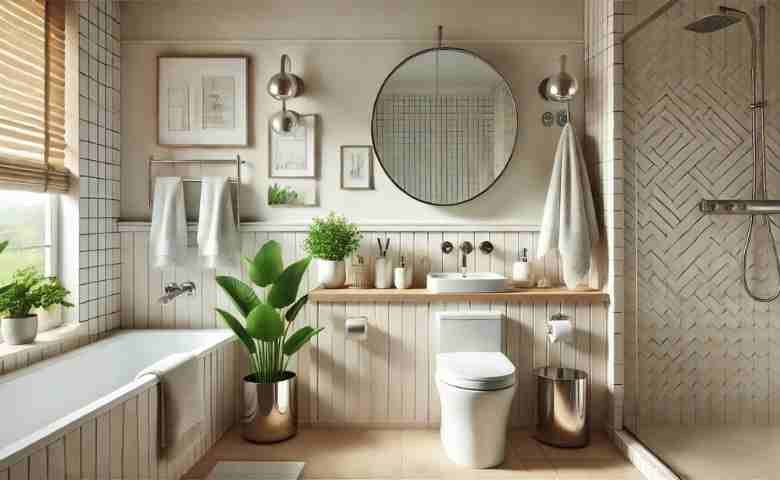
Design Tips for a Stylish and Functional Space
Even a modest bathroom can feel luxurious with the right design choices. Here are a few ideas to maximize both function and style:
- Use Large Mirrors: Mirrors reflect light and make small rooms feel more spacious.
- Install Open Shelving: Floating shelves provide storage without crowding the room.
- Choose Timeless Colors: Neutral palettes are easy to update with new accessories.
- Upgrade Hardware: Swapping out drawer pulls and towel hooks is a quick, affordable refresh.
- Incorporate Plants: Low-maintenance greenery adds life and helps purify the air.
For more inspiration, check out our collection of timeless bathroom design ideas that never go out of style.
DIY Projects and Personal Touches
Adding your own flair doesn’t have to be complicated. Simple DIY upgrades can personalize your bathroom and stretch your budget further. Some beginner-friendly projects include:
- Painting cabinets or walls for a fresh look
- Installing peel-and-stick backsplash tiles
- Updating light fixtures or adding dimmers
- Creating custom towel racks or hooks
For more weekend-friendly ideas, explore our roundup of diy bathroom decor projects that are easy to complete and make a big impact.
FAQ: Common Questions About Beginner Bathroom Renovations
How much should I budget for a basic bathroom update?
Costs vary depending on the size of your space and the quality of materials. For a small to mid-sized bathroom, expect to spend between $3,000 and $7,000 for a straightforward refresh. Always include a buffer for unexpected expenses.
Can I do a bathroom remodel myself, or should I hire professionals?
Many tasks, such as painting, tiling, and installing fixtures, are suitable for beginners with basic DIY skills. However, plumbing and electrical work should be handled by licensed professionals to ensure safety and compliance with local codes.
How long does a typical bathroom renovation take?
For a simple update, plan on two to three weeks from start to finish. More extensive remodels that involve moving plumbing or structural changes can take four to six weeks or longer. Proper planning and preparation help avoid delays.
What are some easy ways to make a small bathroom feel larger?
Use light colors, large mirrors, and glass shower doors to create a sense of openness. Opt for wall-mounted vanities and open shelving to free up floor space and improve storage.
With careful planning, smart material choices, and a willingness to learn, even first-timers can achieve a beautiful, functional bathroom that adds value to their home. Take your time, do your research, and enjoy the process of transforming your space.