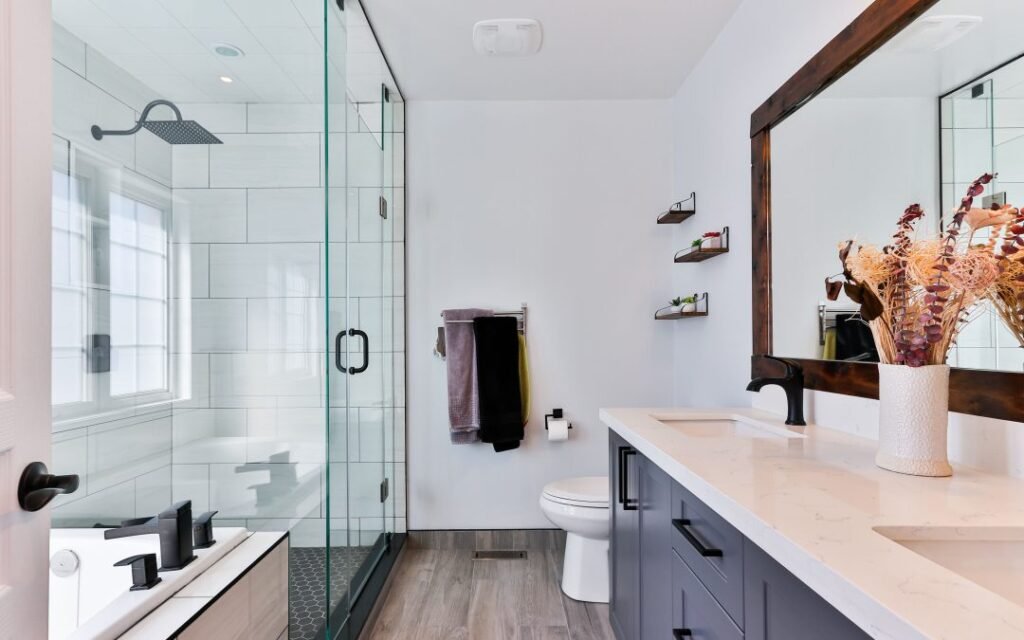
Bathrooms are high-moisture environments, making the choice of wall coverings a crucial decision for both style and durability. While ceramic tiles have long been the standard, waterproof bathroom wall panels are rapidly gaining popularity as a practical, modern solution. These panels offer a seamless, low-maintenance, and cost-effective alternative to traditional tiling, transforming the way homeowners approach bathroom renovations.
Whether you’re planning a full remodel or a quick refresh, understanding the advantages and installation process of these panels can help you make an informed decision. For those looking to protect their investment, check out these bathroom renovation maintenance tips to keep your space looking new for years to come.
Why Choose Modern Wall Panels Over Tiles?
Traditional tiles have their benefits, but they also come with drawbacks such as grout maintenance, the risk of cracking, and time-consuming installation. In contrast, waterproof bathroom wall panels offer a range of advantages that make them an appealing choice for contemporary bathrooms:
- Seamless Appearance: Panels create a smooth, continuous surface with minimal joints, reducing places for mold and mildew to develop.
- Quick Installation: Unlike tiling, which can take days, panels can often be installed in a matter of hours, even over existing surfaces.
- Low Maintenance: With no grout lines to scrub, cleaning is straightforward—just wipe down with a damp cloth.
- Waterproof by Design: Most panels are constructed from materials like PVC, acrylic, or composite laminates, providing complete moisture resistance.
- Versatile Styles: Available in a wide range of colors, textures, and finishes, panels can mimic everything from marble to stone or wood.
For those interested in maximizing their renovation budget, it’s worth exploring bathroom renovation financing tips to plan your project efficiently.
Types of Waterproof Bathroom Wall Panels
There are several types of panels designed for wet environments, each with unique features and benefits. Here’s a breakdown of the most common options:
- PVC Panels: Lightweight, cost-effective, and easy to install. These panels are highly resistant to water and come in a variety of designs.
- Acrylic Panels: Known for their glossy finish and vibrant colors, acrylic panels are durable and provide a modern look.
- Laminated Panels: These feature a decorative surface bonded to a waterproof core, offering the look of natural materials with added durability.
- Solid Surface Panels: Made from engineered stone or composite materials, these panels are robust and can be custom-fitted for seamless corners and edges.
Key Benefits of Waterproof Panels for Bathrooms
Switching to waterproof wall panels offers a host of practical benefits beyond just aesthetics. Here are some of the top reasons homeowners are making the switch:
- Moisture Protection: These panels form a watertight barrier, preventing leaks and protecting underlying walls from damage.
- Hygienic Surface: The non-porous finish resists bacteria and mold growth, making it ideal for family bathrooms and wet rooms.
- Thermal Insulation: Some panel systems provide additional insulation, helping to keep bathrooms warmer and reducing energy costs.
- Long-Lasting Durability: High-quality panels are resistant to scratches, impacts, and discoloration, ensuring your bathroom looks great for years.
For creative ways to personalize your space, consider exploring diy bathroom decor projects that pair well with modern wall panel designs.
Installation Process: What to Expect
One of the standout features of waterproof bathroom wall panels is the straightforward installation. Many homeowners find that these panels can be fitted as a DIY project, though professional installation is always an option for a flawless finish. Here’s a general overview of the process:
- Preparation: Clean and dry the existing wall surface. Panels can often be installed directly over tiles or plasterboard.
- Measuring and Cutting: Measure the wall area and cut panels to fit, allowing for fixtures and fittings.
- Adhesive Application: Apply a suitable adhesive or use a tongue-and-groove system, depending on the panel type.
- Panel Placement: Position the panels, pressing firmly to ensure a secure bond. Use trims or corner pieces for a neat finish.
- Sealing: Apply waterproof sealant to all joints and edges to prevent water ingress.
For a detailed step-by-step approach to planning your remodel, see this comprehensive bathroom renovation guide.

Design Ideas and Customization Options
One of the most appealing aspects of these panels is their versatility in design. Whether you prefer a sleek, modern look or something more traditional, there are options to suit every taste:
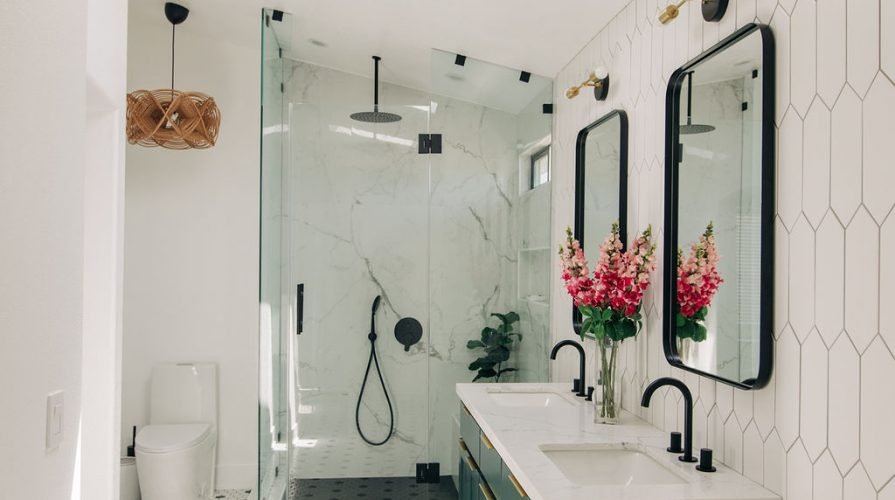
- Stone and Marble Effects: Achieve the luxurious look of natural stone without the associated cost and maintenance.
- Bold Colors and Patterns: Panels are available in a wide spectrum of colors and even printed patterns for a unique statement wall.
- Textured Finishes: Choose from matte, gloss, or textured surfaces to complement your overall bathroom theme.
- Custom Sizing: Many manufacturers offer made-to-measure panels for a perfect fit, even in awkward spaces.
If you’re working with a smaller space, learning how to measure your bathroom space correctly can help ensure a seamless installation and optimal use of panels.
Maintenance and Longevity
Keeping your bathroom looking fresh is simple with waterproof wall panels. Here are some maintenance tips to extend their lifespan:
- Wipe down panels regularly with a soft cloth and mild detergent.
- Avoid abrasive cleaners or scouring pads that could scratch the surface.
- Check seals and joints periodically to ensure they remain watertight.
- Address any chips or damage promptly to prevent water ingress.
For those who love to experiment with decor, panels provide a flexible backdrop for thrifted bathroom makeover ideas and seasonal updates.
Frequently Asked Questions
Are waterproof panels suitable for shower enclosures?
Yes, most modern panels are specifically designed for wet areas, including shower enclosures. They create a seamless, watertight surface that prevents leaks and is easy to clean.
How do these panels compare to tiles in terms of cost?
While initial material costs can vary, panels often save money on installation and long-term maintenance. There’s no need for grout, and the quick installation process can reduce labor expenses.
Can panels be installed over existing tiles?
In many cases, yes. As long as the existing surface is sound and free from moisture damage, panels can be fitted directly over tiles, making renovation quicker and less disruptive.
Do panels come in different sizes and finishes?
Absolutely. Panels are available in a wide range of sizes, colors, and textures, allowing for complete customization to match your bathroom’s style.
Is professional installation necessary?
While many panels are designed for DIY installation, hiring a professional can ensure a flawless finish, especially in complex or high-moisture areas.
Switching to waterproof bathroom wall panels is a smart move for anyone seeking a stylish, low-maintenance, and durable alternative to traditional tiling. With a wide variety of designs and easy installation, these panels can help you achieve a modern, functional bathroom that stands the test of time.