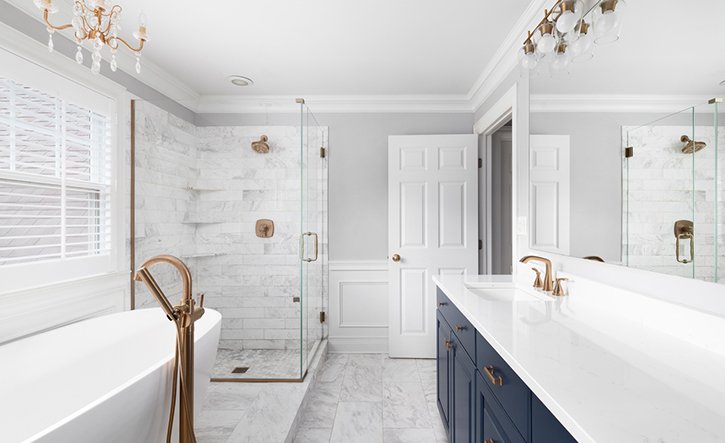
Choosing the right slip resistant bathroom flooring is essential for creating a safe and stylish space. Bathrooms are prone to moisture, making them one of the most common areas for slips and falls in the home. Fortunately, there are many flooring materials available that combine safety with design flexibility, so you don’t have to compromise on aesthetics to achieve peace of mind. Whether you’re renovating a master bath, updating a powder room, or simply looking for a practical upgrade, understanding your options can help you make a confident decision.
Before diving into the best materials, it’s helpful to consider your bathroom’s size, layout, and overall design goals. For those planning a larger remodel, measuring bathroom space correctly can ensure the flooring you choose fits perfectly and enhances the room’s functionality.
Why Prioritize Non-Slip Surfaces in the Bathroom?
Bathrooms are high-traffic, wet environments where safety is a top concern. Water from showers, sinks, and tubs can quickly make floors slippery, increasing the risk of accidents. Installing slip resistant bathroom flooring helps prevent injuries for everyone, especially children, seniors, and those with mobility challenges. In addition to safety, modern non-slip flooring options come in a variety of patterns, textures, and colors, making it easy to match any decor style.
Top Materials for Safe and Stylish Bathroom Floors
There’s a wide range of flooring products designed to reduce slipping hazards while adding visual appeal. Here are some of the most popular choices:
Porcelain and Ceramic Tiles with Textured Finishes
Porcelain and ceramic tiles are classic choices for bathrooms. To enhance safety, look for tiles with a matte or textured finish, which provide better grip underfoot. Many manufacturers rate tiles for slip resistance using the Coefficient of Friction (COF) scale—tiles with a higher COF are less slippery when wet. Mosaic tiles, with their numerous grout lines, also offer extra traction and are ideal for shower floors or small bathrooms.
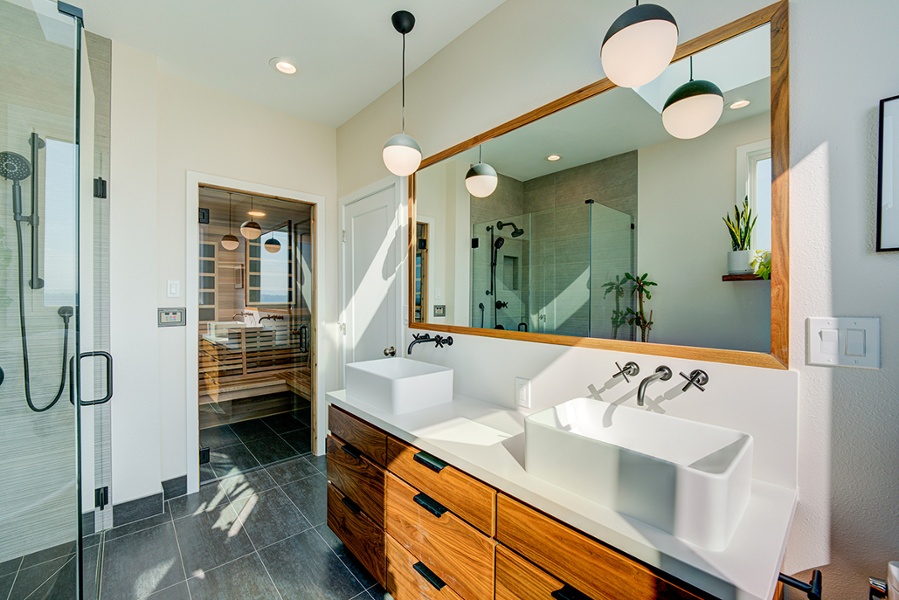
Luxury Vinyl Flooring with Anti-Slip Technology
Luxury vinyl plank (LVP) and luxury vinyl tile (LVT) have become popular for their water resistance, comfort, and realistic appearance. Many brands now offer vinyl flooring with built-in anti-slip surfaces, making them a smart choice for bathrooms. Vinyl is softer and warmer underfoot than tile, and it’s available in a wide range of wood and stone looks to suit any design preference. It’s also easy to clean and maintain, making it ideal for busy households.
Natural Stone with Honed or Textured Surfaces
Stone flooring, such as slate, limestone, or travertine, brings a natural, spa-like feel to bathrooms. To maximize safety, select stones with a honed (matte) or textured finish. Polished stone can be slippery when wet, but a rougher surface improves grip. Keep in mind that natural stone requires regular sealing to protect against moisture and stains. The unique patterns and colors of stone can create a luxurious look that’s both timeless and practical.
Rubber Flooring for Maximum Traction
Rubber is an excellent option for families with young children or anyone seeking the highest level of slip resistance. It’s naturally grippy, water-resistant, and soft underfoot, reducing the risk of injury from falls. Rubber flooring comes in sheets or tiles and is available in a variety of colors and patterns. While it’s more common in commercial settings, modern designs make it suitable for residential bathrooms as well.
Other Safe Flooring Alternatives for Bathrooms
- Cork Flooring: Naturally slip-resistant, cork is comfortable and eco-friendly. It requires a waterproof finish to prevent damage from moisture.
- Engineered Wood with Anti-Slip Coating: For those who love the look of wood, engineered planks with a textured or anti-slip finish can offer both beauty and safety. Ensure the product is rated for wet areas.
- Textured Laminate: Some laminate floors are designed for moisture-prone areas and feature slip-resistant surfaces. Always check manufacturer recommendations before installing in bathrooms.
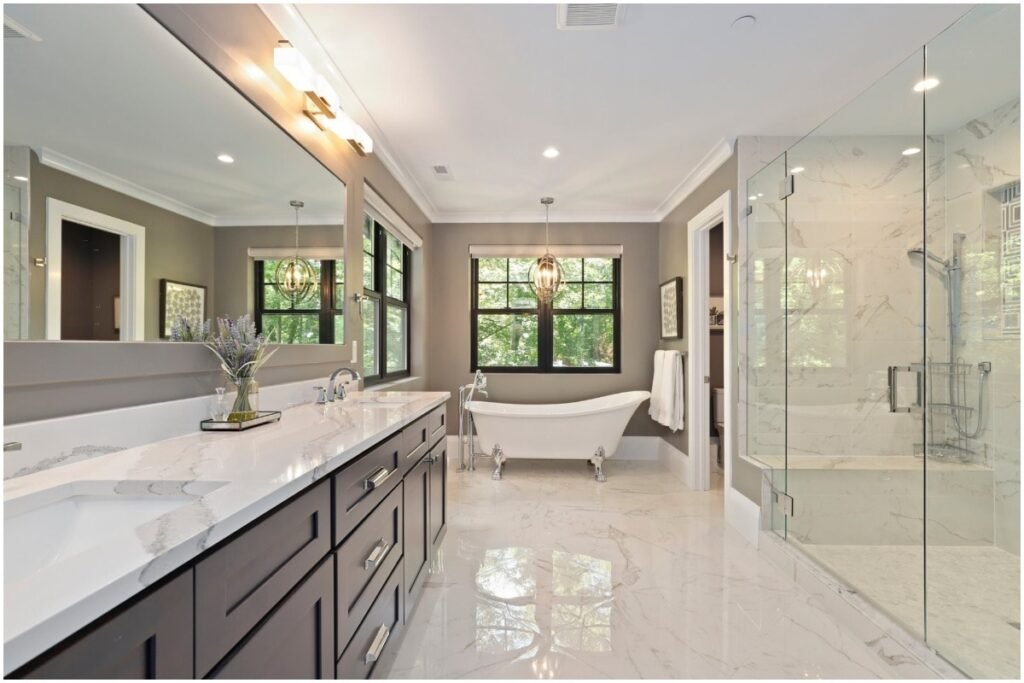
How to Choose the Best Non-Slip Flooring for Your Bathroom
When selecting a safe flooring material, consider the following factors:
- Slip Resistance Rating: Look for products rated for wet areas and check for certifications or COF ratings.
- Water Resistance: Ensure the flooring can withstand frequent exposure to water without warping or staining.
- Maintenance: Choose a material that fits your cleaning routine and lifestyle. Some options require more upkeep than others.
- Style and Color: Select a finish that complements your bathroom’s design, whether you prefer a modern, rustic, or classic look.
- Installation: Some flooring types are easier to install as DIY projects, while others may require professional help.
For those interested in budget-friendly upgrades, you might also find inspiration in cheap bathroom makeover ideas that pair well with new flooring choices.
Tips for Maximizing Safety and Longevity
- Use bath mats with non-slip backing near tubs and showers for extra protection.
- Keep floors dry by wiping up spills and splashes promptly.
- Regularly clean grout lines and textured surfaces to prevent soap scum buildup, which can make floors slippery.
- Follow manufacturer guidelines for sealing and maintaining your chosen flooring material.
For a step-by-step approach to updating your space, consider reviewing a comprehensive bathroom renovation guide to ensure your project goes smoothly from start to finish.
FAQ
What is the safest type of flooring for bathrooms?
Textured porcelain or ceramic tiles, luxury vinyl with anti-slip features, and rubber flooring are among the safest options. These materials are specifically designed to provide traction even when wet, reducing the risk of slips and falls.
Can I make my existing bathroom floor less slippery?
Yes, you can add non-slip coatings or treatments to many existing surfaces. Placing non-slip mats or rugs in high-risk areas also helps. However, for long-term safety, replacing the floor with a slip-resistant material is the most effective solution.
Are natural stone floors safe for wet areas?
Natural stone can be a safe choice if you select a honed or textured finish and keep the surface properly sealed. Polished stone is not recommended for wet areas due to its slickness when wet.
How do I maintain slip-resistant bathroom floors?
Regular cleaning is key. Use appropriate cleaners for your flooring type and avoid waxes or polishes that can create a slippery film. Reseal natural stone as recommended, and replace worn-out mats or rugs as needed.
Final Thoughts
Upgrading to slip resistant bathroom flooring is a practical investment in both safety and style. With a variety of materials and finishes available, you can find an option that fits your taste, budget, and lifestyle. By considering slip resistance, water tolerance, and maintenance needs, you’ll create a bathroom that’s both beautiful and secure for everyone who uses it.