Embarking on a bathroom remodel is an exciting opportunity to upgrade one of the most-used spaces in your home. However, the process can quickly become overwhelming without a clear plan. Preparing for bathroom renovation involves more than just picking out tiles and fixtures—it requires careful organization, budgeting, and a realistic timeline. This guide offers a step-by-step checklist to help you navigate every stage, from initial planning to the final clean-up.
Whether you’re updating a compact powder room or transforming a master bath, understanding the essential steps will help you avoid common pitfalls and ensure a smoother experience. Before diving in, it’s also wise to think ahead about how you’ll maintain your new space. For tips on keeping your upgraded bathroom in top shape, check out these bathroom renovation maintenance tips.
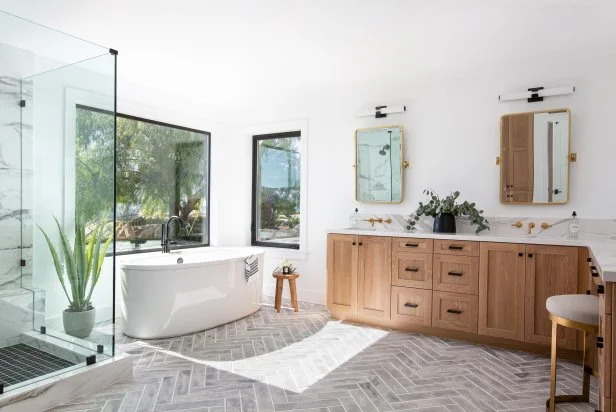
Setting Clear Goals and a Realistic Budget
The first step in preparing for bathroom renovation is to define your objectives. Are you aiming for a full transformation or a simple refresh? Make a list of your must-haves and nice-to-haves. Consider factors such as storage needs, accessibility, and energy efficiency. Once you have a clear vision, research the average costs for similar projects in your area. Don’t forget to include a buffer—unexpected expenses are common during renovations.
- Determine your top priorities (e.g., new shower, double vanity, heated floors).
- Gather inspiration from magazines, online galleries, and showrooms.
- Request quotes from multiple contractors or suppliers.
- Set aside at least 10-20% of your budget for contingencies.
For help estimating material quantities and costs, you might find a bathroom renovation material calculator useful during this stage.
Assessing Your Space and Making a Plan
Before any demolition begins, take accurate measurements of your bathroom. This will help you avoid costly mistakes when ordering materials or planning the layout. Consider how the new design will affect plumbing, electrical, and ventilation systems. If your bathroom is on the smaller side, check out strategies for maximizing small bathroom space with smart design choices.
- Sketch a basic floor plan or use online tools for visualization.
- Identify any structural limitations (e.g., load-bearing walls, window placement).
- Consult with professionals if you’re moving plumbing or electrical lines.
- Plan for adequate lighting and ventilation to prevent mold and moisture issues.
Accurate measurements are crucial for a successful remodel. For a detailed guide, refer to measuring bathroom space correctly before finalizing your plans.
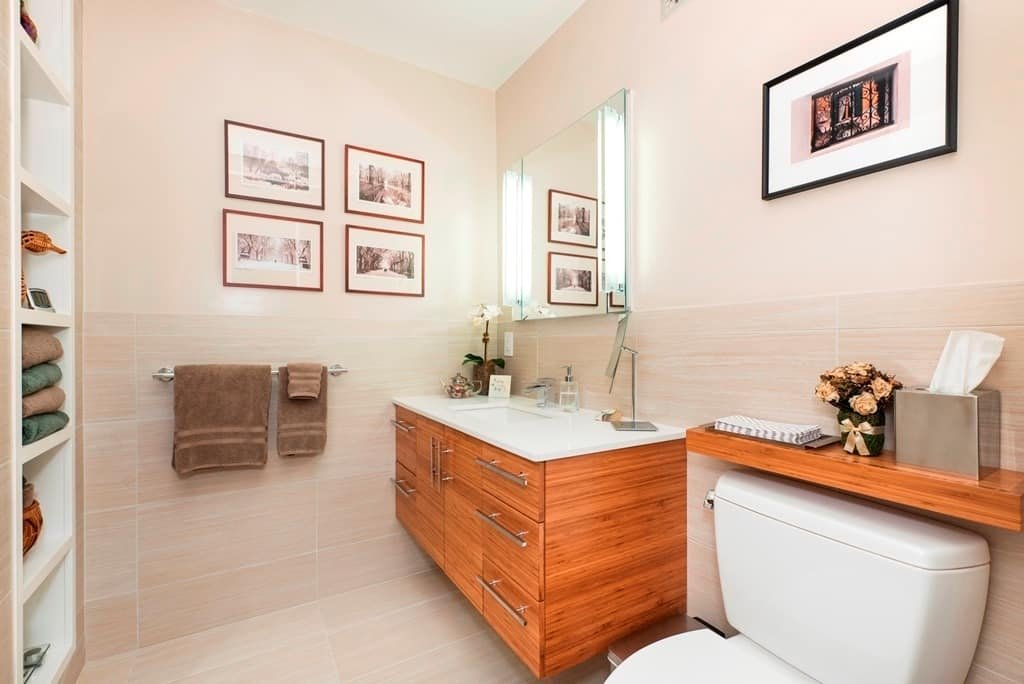
Choosing Materials and Fixtures
With your plan in place, start selecting materials and fixtures that fit both your style and budget. Focus on durability, ease of maintenance, and water efficiency. When shopping for tiles, vanities, faucets, and lighting, keep lead times in mind—some items may need to be ordered well in advance.
- Opt for water-resistant flooring and wall materials.
- Choose fixtures that complement your overall design theme.
- Consider low-flow toilets and showerheads for water savings.
- Order all major items before demolition to avoid delays.
To avoid common pitfalls, review this list of bathroom renovation mistakes to avoid before making final decisions.
Preparing Your Home and Family for the Renovation
Renovations can be disruptive, especially in a high-traffic area like the bathroom. Take steps to minimize inconvenience and keep your household running smoothly during the project.
- Set up a temporary bathroom if possible, especially if you only have one.
- Remove all personal items, toiletries, and decorations from the work area.
- Protect adjacent rooms with plastic sheeting or drop cloths to contain dust.
- Communicate the schedule and expectations with your contractor and family members.
- Secure pets and children away from the construction zone.
Staying organized and proactive will help reduce stress and keep the project on track.

Coordinating with Contractors and Scheduling
Effective communication with your renovation team is key to a successful outcome. Before work begins, confirm all details in writing, including the project scope, timeline, and payment schedule. Regular check-ins can help you address issues early and keep the project moving forward.
- Review contracts and confirm start and completion dates.
- Establish a point of contact for daily updates and questions.
- Be available for site walkthroughs and decision-making as needed.
- Keep records of all receipts, warranties, and change orders.
Staying organized and responsive will help ensure your renovation stays on schedule and within budget.
Final Steps: Inspection, Clean-Up, and Enjoyment
Once construction is complete, do a thorough walkthrough with your contractor. Check that all fixtures are installed correctly, finishes are as specified, and any punch-list items are addressed. Clean the space thoroughly before moving your belongings back in. This is also a great time to add personal touches or try out DIY bathroom decor projects to make the space truly your own.
- Test plumbing, lighting, and ventilation systems.
- Review warranty information and maintenance recommendations.
- Take photos for your records and future reference.
- Enjoy your refreshed bathroom and the added value it brings to your home.
FAQs About Getting Ready for a Bathroom Remodel
What should I do first when planning a bathroom renovation?
Start by setting clear goals for your project and establishing a realistic budget. Research design inspiration, prioritize your needs, and gather quotes from professionals. Accurate measurements and a solid plan will help guide your decisions throughout the process.
How can I minimize disruption during the renovation?
Prepare by setting up a temporary bathroom if possible, removing all personal items from the work area, and protecting nearby spaces from dust. Communicate the schedule with your family and contractor, and keep pets and children away from the construction zone.
What are some common mistakes to avoid?
Some frequent pitfalls include underestimating the budget, choosing materials without considering durability, and failing to plan for proper ventilation. For more tips, review this helpful resource on bathroom renovation mistakes to avoid.
How do I maintain my new bathroom after renovation?
Regular cleaning, prompt repairs, and using appropriate products will help protect your investment. For more advice, see these bathroom renovation maintenance tips.