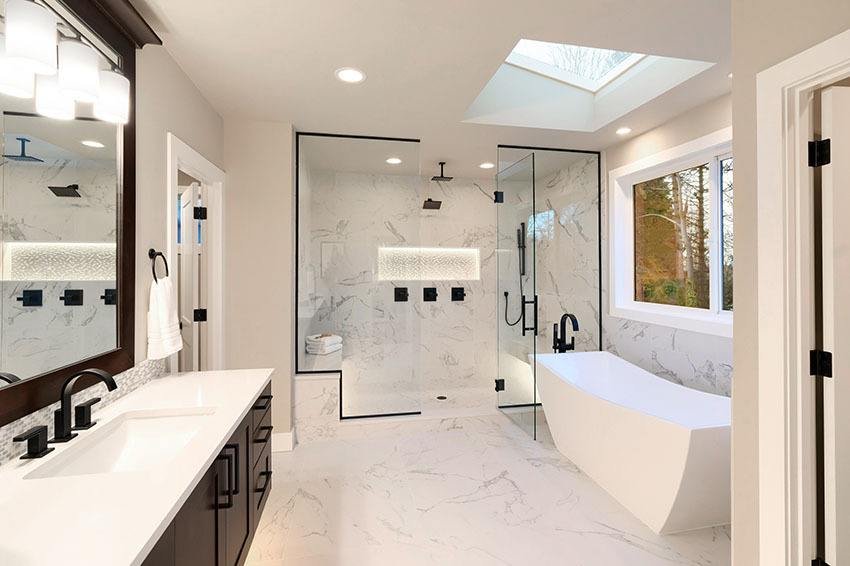
Making your bathroom more efficient isn’t just about saving the planet—it’s also a smart way to cut your monthly expenses. With the right improvements, you can reduce water and energy usage, extend the life of your fixtures, and create a more comfortable space. This guide explores practical energy efficient bathroom upgrades that deliver real savings, from simple swaps to more ambitious projects.
Before diving into specific upgrades, it’s important to plan your remodel carefully. For tips on measuring bathroom space correctly, check out our detailed guide to ensure your new fixtures and features fit perfectly and maximize efficiency.
Why Focus on Bathroom Efficiency?
The bathroom is one of the most resource-intensive rooms in any home. Toilets, showers, and faucets account for a significant portion of household water use, while lighting and ventilation can drive up electricity bills. By targeting these areas with energy efficient upgrades, you can:
- Lower your utility bills
- Reduce your environmental footprint
- Increase home value and appeal
- Enjoy a more comfortable and modern space
Water-Saving Fixtures for Maximum Impact
Water conservation is at the heart of any energy efficient bathroom. Modern fixtures are designed to use less water without sacrificing performance. Here are some of the most effective options:
High-Efficiency Toilets
Older toilets can use up to 6 gallons per flush, while today’s high-efficiency models use as little as 1.28 gallons. Dual-flush toilets offer even more control, letting you choose between a full or partial flush as needed. Upgrading your toilet is one of the fastest ways to cut water use in your bathroom.
Low-Flow Showerheads and Faucets
Switching to low-flow showerheads and faucet aerators can reduce water usage by up to 50%. Look for products with the WaterSense label, which meet EPA standards for efficiency and performance. These upgrades also lower the amount of hot water you use, leading to energy savings on water heating.

Smart Lighting and Ventilation Solutions
Lighting and ventilation are often overlooked when considering energy efficient bathroom upgrades. However, these elements play a big role in both comfort and cost.
LED Lighting
Switching to LED bulbs or integrated fixtures can cut lighting energy use by up to 80% compared to traditional incandescent bulbs. LEDs also last much longer, reducing replacement costs and waste. Consider adding dimmers or motion sensors to further optimize usage.
Efficient Exhaust Fans
Proper ventilation prevents mold and moisture damage, but older fans can be noisy and inefficient. Look for ENERGY STAR certified exhaust fans, which use less energy and operate more quietly. Some models even include humidity sensors that automatically turn the fan on and off as needed.
Eco-Friendly Materials and Insulation
Beyond fixtures, the materials you choose for your bathroom can impact both efficiency and indoor air quality. Here are some sustainable options:
- Recycled or rapidly renewable flooring such as bamboo or recycled tile
- Low-VOC paints and sealants to improve air quality
- Insulated windows and walls to maintain temperature and reduce heating/cooling needs
Investing in better insulation and sustainable materials can make your bathroom more comfortable year-round and help reduce overall energy consumption.
Hot Water Efficiency: Heaters and Pipes
Heating water is one of the largest energy expenses in most homes. Upgrading your water heating system and insulating pipes can make a noticeable difference:
- Tankless water heaters provide hot water on demand, reducing standby energy loss
- Insulating hot water pipes helps maintain water temperature and reduces wait time
- Lowering your water heater’s thermostat to 120°F can save energy and prevent scalding
These changes not only save energy but also extend the lifespan of your plumbing system.
Simple Habits and DIY Upgrades
Not every improvement requires a major remodel. Small changes and DIY projects can also contribute to a more efficient bathroom:
- Fix leaky faucets and running toilets promptly
- Install a shower timer to encourage shorter showers
- Use a squeegee after showering to reduce mold and cleaning needs
- Switch to eco-friendly cleaning products
For more inspiration, explore our DIY bathroom decor projects that can refresh your space without breaking the bank.
Common Pitfalls to Avoid
While upgrading your bathroom, it’s easy to overlook details that can undermine efficiency. Avoid these common mistakes:
- Choosing style over substance—prioritize performance and efficiency ratings
- Ignoring ventilation, which can lead to moisture problems and higher energy costs
- Skipping professional advice for complex plumbing or electrical work
For a deeper look at renovation missteps, see this guide to bathroom renovation mistakes to avoid.
Planning and Budgeting for Upgrades
Setting a clear budget and timeline is crucial for a successful bathroom update. Consider which upgrades offer the best return on investment and prioritize accordingly. If you’re working with a tight budget, our bathroom remodel under $1000 article offers practical ideas for affordable improvements. For those considering financing, review our bathroom renovation financing tips to help you plan smarter.
FAQs About Energy-Efficient Bathroom Improvements
What is the most cost-effective upgrade for a more efficient bathroom?
Replacing old showerheads and faucets with low-flow models is usually the quickest and most affordable way to reduce both water and energy use. These fixtures are easy to install and start saving money immediately.
Do energy-efficient upgrades increase home value?
Yes, modern, efficient bathrooms are attractive to buyers and can increase your home’s resale value. Features like high-efficiency toilets, LED lighting, and sustainable materials are especially appealing in today’s market.
How can I make my bathroom more efficient without a full remodel?
Simple steps like fixing leaks, switching to LED bulbs, adding faucet aerators, and using a shower timer can all improve efficiency. Even small changes in daily habits, such as taking shorter showers, make a difference over time.
Conclusion
Upgrading your bathroom with efficiency in mind is a smart investment that pays off in lower bills, increased comfort, and a smaller environmental impact. Whether you’re planning a full renovation or making a few targeted changes, these strategies will help you create a space that’s both stylish and sustainable. For more creative ideas, check out our thrifted bathroom makeover ideas for unique, budget-friendly inspiration.