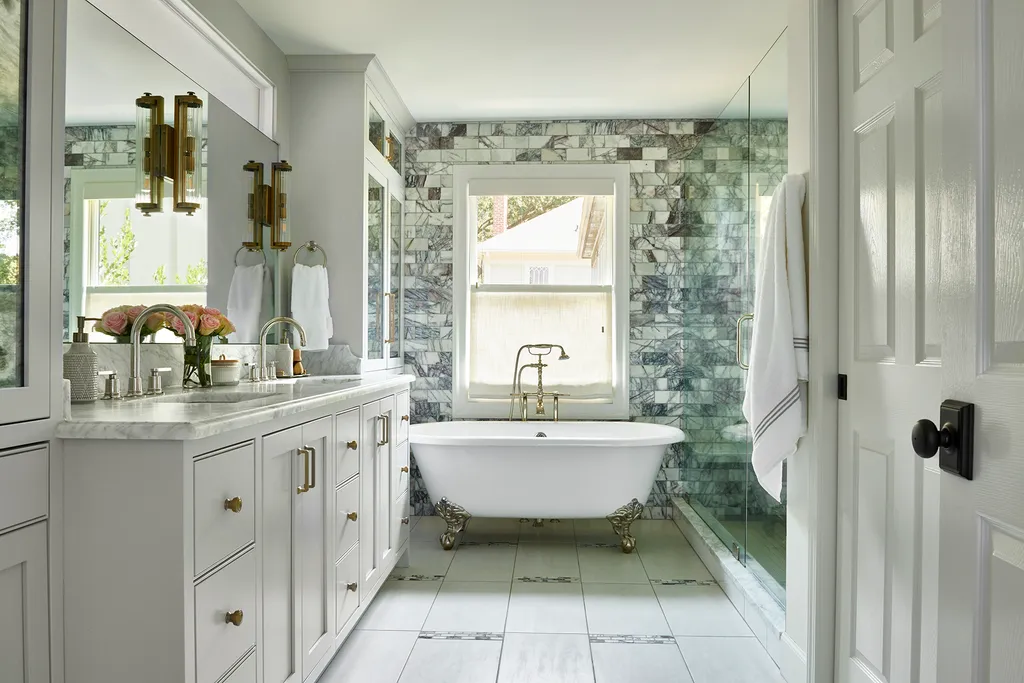
Choosing the best bathroom renovation materials is essential for anyone looking to create a space that stands up to daily use while maintaining a modern, attractive appearance. Bathrooms face constant moisture, temperature changes, and frequent cleaning, so materials must be tough as well as visually appealing. Whether you’re planning a full remodel or just updating a few key features, understanding which surfaces and finishes offer the ideal blend of resilience and design is crucial.
This guide explores top-rated options for floors, walls, countertops, and fixtures, helping you make informed decisions that balance longevity with your personal style. For those working within a specific footprint, measuring bathroom space correctly is a smart first step before selecting materials, ensuring your choices fit your layout and vision.
Top Flooring Choices for Lasting Performance
Flooring is one of the most important surfaces in any bathroom. It must resist water, stains, and wear while providing a safe, slip-resistant surface. Here are some of the most reliable and attractive options:
- Porcelain and Ceramic Tile: These tiles are highly water-resistant, easy to clean, and available in countless colors and patterns. Porcelain, in particular, is denser and less porous, making it a top pick for wet areas.
- Natural Stone: Materials like marble, slate, and granite bring a luxurious look but require sealing to prevent stains and moisture damage. Choose textured finishes for better slip resistance.
- Luxury Vinyl Tile (LVT): Modern LVT mimics the look of wood or stone and offers excellent water resistance, comfort underfoot, and affordability. It’s also easier to install than traditional tile.
When selecting flooring, consider the level of foot traffic and your cleaning routine. For those on a tight budget, you can find inspiration in bathroom remodel under $1000 guides that showcase affordable yet durable options.
Wall Materials That Combine Strength and Style
Walls in a bathroom need to withstand humidity and splashes while serving as a canvas for your design. The following materials are both practical and stylish:
- Ceramic and Porcelain Tile: A classic choice for showers and backsplashes, these tiles are easy to maintain and come in endless designs.
- Glass Tile: Reflects light beautifully and resists mold and mildew, making it ideal for accent walls or shower surrounds.
- Waterproof Paint: Specially formulated paints can protect drywall in less exposed areas, offering a cost-effective way to update your space.
- Engineered Panels: Acrylic or PVC wall panels are gaining popularity for their seamless look and resistance to water and stains.
Combining different materials can add depth and interest. For example, pairing large-format tiles with painted sections or using glass mosaics as a border can elevate your bathroom’s look.
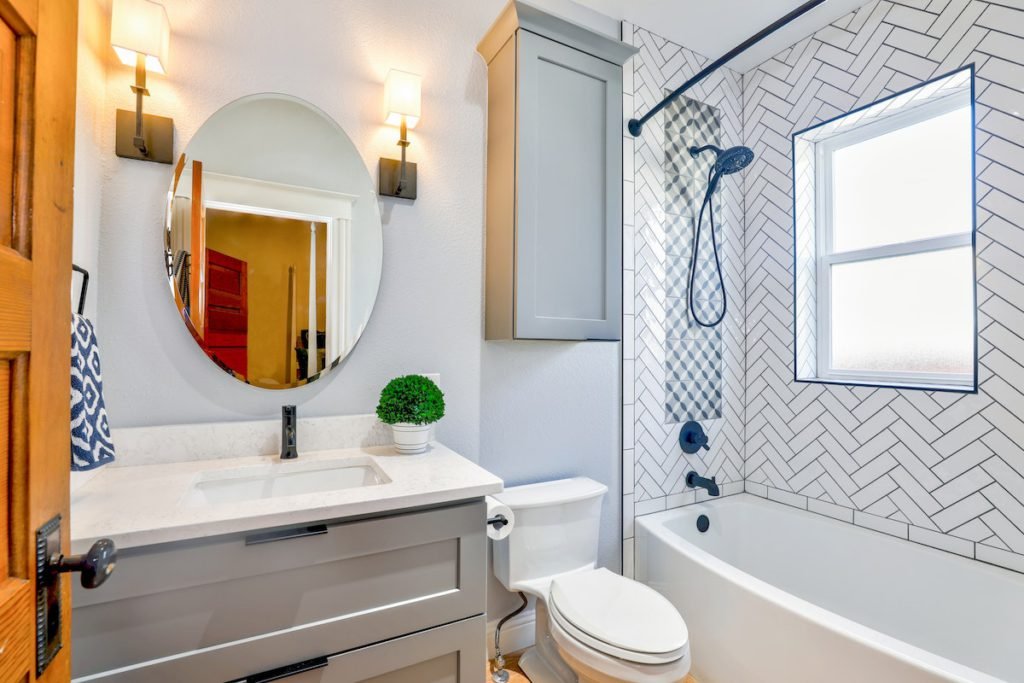
Countertops and Vanities: Balancing Beauty and Durability
Countertops and vanities are exposed to water, soap, and cosmetics daily, so selecting the right material is key. Here are some of the best options for longevity and design:
- Quartz: Engineered quartz is non-porous, resists stains and scratches, and requires minimal maintenance. It’s available in a wide range of colors and patterns.
- Granite: A natural stone that offers unique veining and excellent durability. It does need periodic sealing to maintain its resistance to moisture and stains.
- Solid Surface: Materials like Corian are seamless, easy to clean, and can be repaired if scratched. They’re a smart choice for integrated sinks and custom shapes.
- Ceramic Tile: An affordable and customizable option, though grout lines require regular cleaning and sealing to prevent mold.
When choosing a vanity top, consider how much daily use it will get and whether you prefer a seamless look or a more traditional, tiled design.
Shower and Tub Surrounds: Waterproof and Stylish Solutions
Showers and tubs are the most moisture-prone areas in any bathroom. Selecting the right surrounds ensures your renovation stands the test of time. Top picks include:
- Porcelain Slabs: Large-format porcelain panels minimize grout lines and deliver a sleek, modern appearance while being highly water-resistant.
- Acrylic Panels: Lightweight, affordable, and easy to install, acrylic surrounds are a low-maintenance option that resists mold and mildew.
- Natural Stone: Adds a touch of luxury but requires sealing and careful maintenance to prevent water damage.
- Glass: Frameless glass enclosures create an open feel and are easy to clean, though regular maintenance is needed to prevent water spots.
For a unique look, consider mixing materials, such as combining stone with glass or using decorative tile insets.
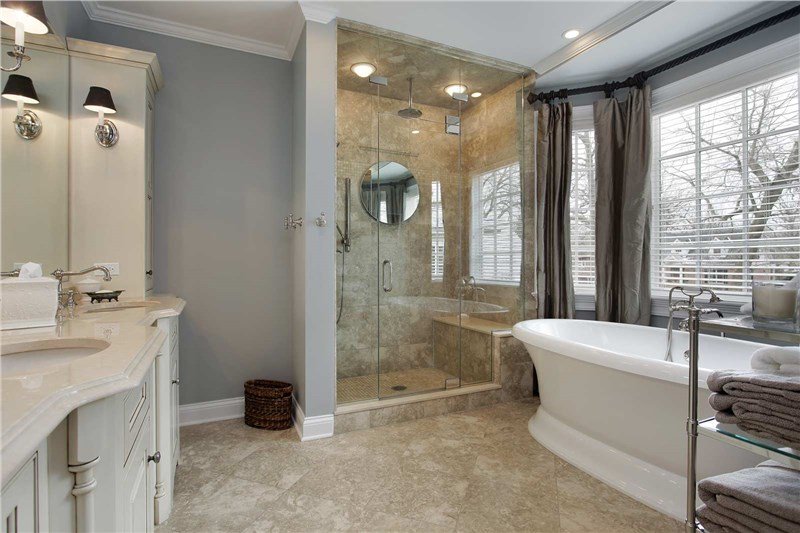
Fixtures and Hardware: Details That Make a Difference
While surfaces are important, the durability of your bathroom also depends on the quality of fixtures and hardware. Consider these materials for long-lasting performance:
- Stainless Steel: Highly resistant to rust and corrosion, making it ideal for faucets, showerheads, and towel bars.
- Solid Brass: Offers excellent durability and a classic look. Brass fixtures often come with protective finishes to prevent tarnishing.
- Tempered Glass: Used for shelves, shower doors, and mirrors, tempered glass is strong and shatter-resistant.
Upgrading hardware is a simple way to enhance both function and style. For creative, affordable ideas, explore diy bathroom decor projects that can be completed in a weekend.
Common Mistakes to Avoid When Selecting Materials
Even the most beautiful materials can disappoint if not chosen or installed correctly. Some frequent pitfalls include:
- Choosing porous materials for wet zones without proper sealing
- Overlooking slip resistance for flooring
- Neglecting ventilation, leading to mold and mildew issues
- Skimping on quality for high-traffic areas
For a deeper look at what not to do, see this helpful guide to common DIY bathroom remodeling mistakes.
Tips for a Cohesive and Stylish Bathroom Design
Durability is important, but so is creating a space that feels inviting and reflects your taste. Here are some strategies to achieve both:
- Stick to a consistent color palette for a harmonious look
- Mix textures—such as matte and glossy tiles—for visual interest
- Incorporate natural elements like wood or stone for warmth
- Use statement lighting and mirrors to enhance the sense of space
If you’re interested in unique, budget-friendly approaches, check out thrifted bathroom makeover ideas for inspiration.
Budgeting and Planning for Your Bathroom Remodel
Material costs can add up quickly, so it’s wise to set a budget and prioritize where to invest. High-traffic surfaces and fixtures should get the bulk of your resources, while decorative touches can often be achieved affordably. For practical advice on managing expenses, see these bathroom renovation financing tips to help you plan smartly and avoid surprises.
FAQ
What is the most water-resistant flooring for bathrooms?
Porcelain tile is widely considered the most water-resistant option for bathroom floors. It’s dense, non-porous, and available in many styles. Luxury vinyl tile is also highly water-resistant and softer underfoot.
How do I keep grout lines clean and mold-free?
Seal grout lines regularly to prevent moisture penetration. Clean with a pH-neutral cleaner and ensure your bathroom is well-ventilated to reduce humidity. Using larger tiles can minimize grout lines and maintenance.
Are natural materials like marble and wood suitable for bathrooms?
Natural materials can be used in bathrooms, but they require extra care. Marble and other stones need sealing and regular maintenance. Wood should be properly treated and used in areas with minimal direct water exposure.