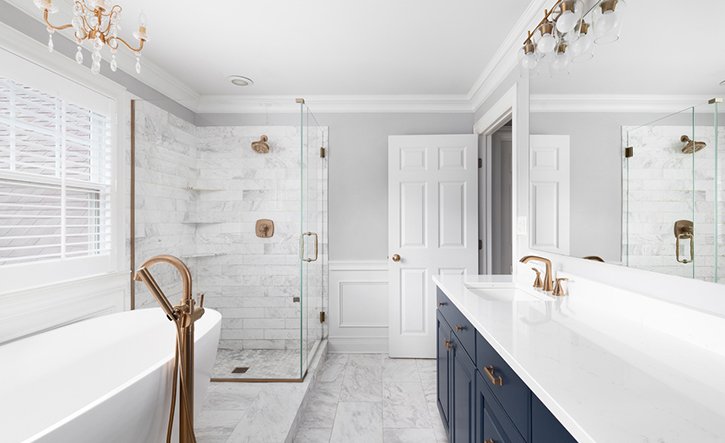
Planning to upgrade your bathroom with a new tub? Whether you’re aiming for a modern look, improved functionality, or simply replacing an old fixture, knowing what to expect can make the process much smoother. This guide covers essential bathtub replacement tips to help you avoid common pitfalls, save money, and achieve a result you’ll love.
Before you start, it’s important to assess your space, budget, and goals. A successful tub swap isn’t just about picking a new model—it’s about understanding plumbing, installation requirements, and how your choices will impact the rest of your bathroom. For those tackling a full remodel, learning about measuring bathroom space correctly can help you avoid costly mistakes and ensure a seamless fit.
Assessing Your Bathroom for a New Tub
One of the first steps in any bathtub upgrade is evaluating your existing space. Not all tubs fit every bathroom, and factors like doorways, wall placement, and plumbing access can affect your options. Start by measuring the length, width, and depth of your current tub, as well as the space around it. This ensures your new fixture will fit without major modifications.
Also, consider the type of tub you want. Choices include alcove, freestanding, drop-in, and corner tubs, each with its own installation requirements. If you’re working with a small space or want to maximize storage, look for compact designs or models with built-in shelving. For more creative inspiration, check out thrifted bathroom makeover ideas to see how others have transformed their spaces with unique finds and clever layouts.
Key Bathtub Replacement Tips for a Smooth Project
Replacing a bathtub involves more than simply swapping out the old for the new. Here are some practical suggestions to guide you through the process:
- Turn off the water supply before starting any demolition. This prevents leaks and water damage.
- Protect your floors and fixtures with drop cloths or cardboard to avoid scratches and debris.
- Check the condition of your plumbing. Old pipes or valves may need updating to accommodate a new tub.
- Plan for disposal of your old bathtub. Some materials, like cast iron, are heavy and may require special handling.
- Consider hiring a professional if your project involves moving plumbing lines or electrical work.
For those on a budget, reviewing bathroom remodel under $1000 can provide ideas for keeping costs down while still achieving a fresh look.
Choosing the Right Bathtub for Your Needs
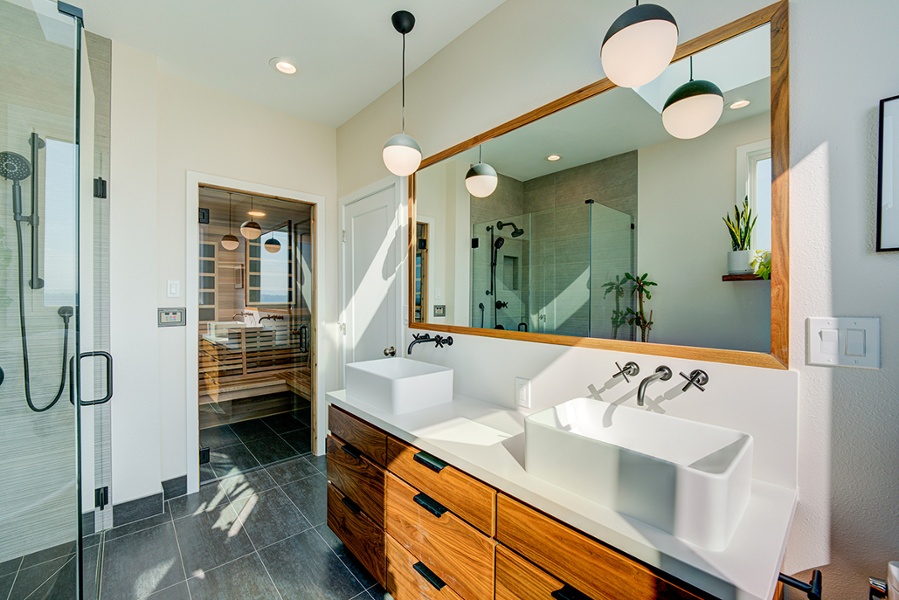
With so many options available, selecting the right tub can feel overwhelming. Here are some factors to consider as you shop:
- Material: Acrylic and fiberglass are lightweight and affordable, while cast iron and stone resin offer durability and a premium feel.
- Size: Standard tubs are about 60 inches long, but options range from compact models to luxurious soaker tubs.
- Style: Think about whether you want a classic look or something more contemporary. Freestanding tubs make a statement, while alcove tubs are practical for smaller bathrooms.
- Features: Some tubs come with built-in jets, grab bars, or slip-resistant surfaces for added comfort and safety.
It’s also wise to consider how your new tub will coordinate with existing fixtures and décor. For a cohesive look, you might want to update faucets, showerheads, or even add new diy bathroom decor projects to complement your investment.
Budgeting and Cost-Saving Strategies
Understanding the costs involved in a bathtub replacement can help you plan effectively and avoid surprises. Here are some budgeting tips:
- Factor in the price of the tub, installation, plumbing updates, and any necessary repairs to walls or floors.
- Get multiple quotes from contractors if you’re not doing the work yourself.
- Shop sales or consider gently used tubs to save money.
- Handle demolition and disposal yourself if you’re comfortable with DIY tasks.
- For larger projects, research bathroom renovation financing tips to help manage expenses over time.
Remember, investing in quality materials and professional installation can prevent costly repairs down the line. If you’re planning a full bathroom overhaul, this step-by-step bathroom renovation guide provides a comprehensive overview of the process.
Common Mistakes to Avoid During Tub Replacement
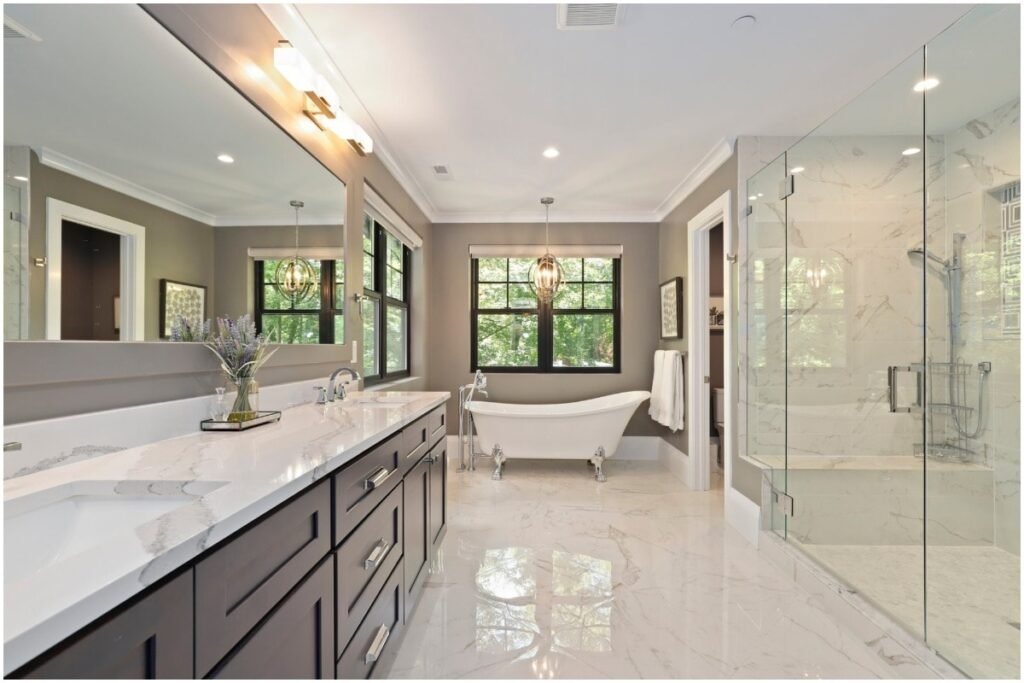
Even with careful planning, certain missteps can derail your project. Here are some frequent errors and how to sidestep them:
- Not double-checking measurements: Always confirm dimensions before purchasing a new tub.
- Overlooking plumbing compatibility: Ensure your new tub’s drain and faucet align with existing plumbing, or be prepared for extra work.
- Ignoring ventilation: Proper airflow prevents mold and moisture damage, especially after a major install.
- Skipping permits: Some areas require permits for plumbing changes—check local regulations before you begin.
- Underestimating demolition: Removing an old tub can reveal hidden issues like water damage or rot. Budget time and money for unexpected repairs.
Finishing Touches for a Polished Look
Once your new tub is in place, the right finishing touches can elevate your bathroom’s style and functionality. Consider adding:
- Fresh caulk around the tub to prevent leaks and give a clean appearance.
- New shower curtains or glass doors for privacy and splash protection.
- Updated storage solutions, such as adhesive caddies or shelving, to keep essentials organized.
- Water filtration accessories, like a shower filter, to improve water quality and protect your new fixture.
These small upgrades can make a big difference in both the look and longevity of your bathroom remodel.
Frequently Asked Questions
How long does it take to replace a bathtub?
The timeline for a bathtub swap depends on the complexity of the job and whether you’re hiring a pro or doing it yourself. Simple replacements can take a day or two, while more involved projects—like moving plumbing or repairing walls—may require several days or even a week.
Can I replace a bathtub myself, or should I hire a professional?
If you have experience with plumbing and home improvement, a DIY approach is possible for straightforward replacements. However, if your project involves moving pipes, electrical work, or structural changes, hiring a licensed contractor ensures the job is done safely and up to code.
What is the average cost of a bathtub replacement?
Costs vary widely based on the type of tub, labor, and any additional repairs needed. On average, homeowners spend between $1,000 and $5,000 for a full replacement, including removal, installation, and finishing work. Budget-friendly options are available for those willing to handle some tasks themselves.
Do I need a permit to replace my bathtub?
In many areas, simple replacements that don’t alter plumbing lines may not require a permit. However, if you’re making significant changes, it’s best to check with your local building authority to ensure compliance with regulations.
How can I keep my new bathtub looking its best?
Regular cleaning with non-abrasive products, prompt repair of leaks, and using a water filter can help maintain your tub’s appearance and function for years to come.