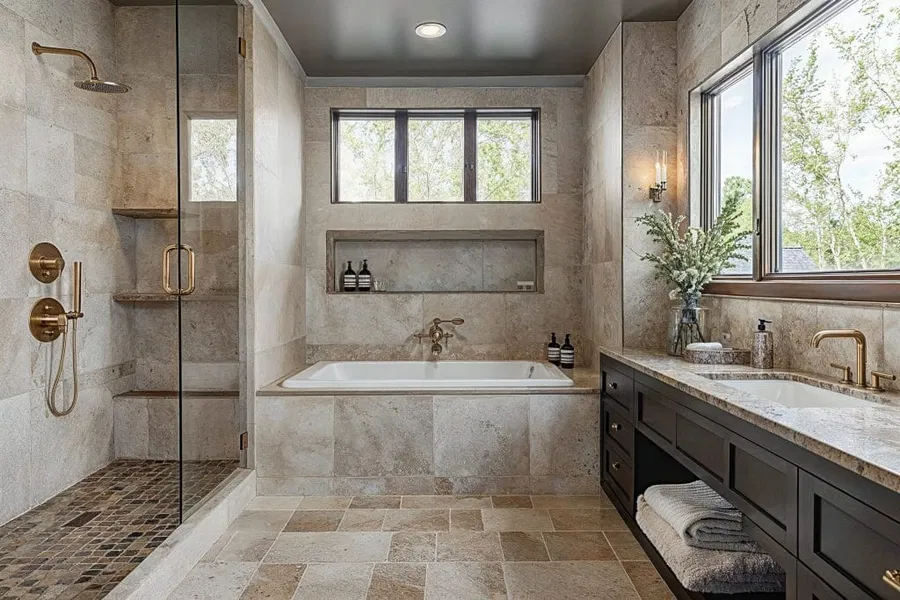
Choosing the right grout shade can dramatically influence the look and feel of your bathroom. Whether you’re planning a full remodel or a simple refresh, the grout you select helps define the mood, style, and even the perceived size of the space. With so many bathroom grout color ideas available, it’s easier than ever to find a combination that enhances your tiles and personal taste.
From classic white to bold contrasts, grout color is more than just a functional detail—it’s a design choice that can make your tiles pop or blend seamlessly. Before diving into the most popular options, make sure your renovation plan is on track by measuring bathroom space correctly for a smooth installation process.
Why Grout Color Matters in Bathroom Design
The grout you choose does more than hold tiles in place. It can highlight patterns, create visual flow, or act as a subtle backdrop. The right shade can:
- Accentuate tile shapes and layouts
- Hide or reveal imperfections
- Influence how bright or spacious the room feels
- Set the tone—modern, classic, rustic, or bold
With so many factors at play, exploring a range of grout color options is essential for a cohesive and stylish bathroom.
Classic White and Light Grout Choices
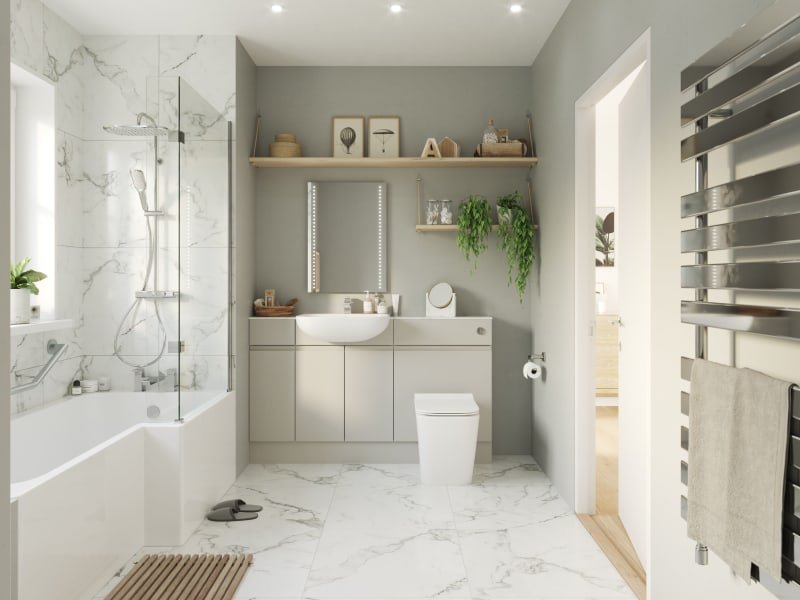
White and light-colored grout remain favorites for a reason. They create a clean, timeless look that works with nearly any tile color or pattern. Pairing white grout with white tiles produces a seamless, airy effect, making small bathrooms feel larger and brighter. Light gray or beige grout offers a similar effect but is more forgiving when it comes to stains and maintenance.
For those who love a minimalist or spa-inspired aesthetic, these subtle grout shades are a safe and versatile choice. They also work beautifully with intricate tile patterns, allowing the design to shine without distraction.
Contrasting Grout for Bold Visual Impact
If you want your tile pattern to stand out, consider using a grout color that contrasts with your tiles. For example, pairing dark grout with white subway tiles creates a striking, graphic effect that’s both modern and timeless. This approach highlights the shape and layout of the tiles, making it a great choice for geometric or herringbone patterns.
Contrasting grout is also practical—it can help mask dirt and mildew, making it a smart option for high-traffic bathrooms. Just remember that dark grout may require sealing to prevent fading or staining over time.
Neutral and Earthy Tones for a Subtle Finish
Neutral grout shades like taupe, sand, or soft gray offer a balanced look that complements natural stone, wood-look, or patterned tiles. These hues blend with a variety of tile colors, creating a harmonious effect without drawing too much attention to the grout lines.
Earthy tones are especially popular in rustic, bohemian, or nature-inspired bathrooms. They add warmth and depth, helping the space feel cozy and inviting.

Colorful Grout for Creative Expression
For those who want to make a statement, colored grout is an exciting way to add personality to your bathroom. Blues, greens, golds, and even pastels can be used to coordinate with accent tiles or fixtures. This approach works especially well in eclectic, playful, or contemporary spaces where creativity is encouraged.
Keep in mind that bold grout colors may require more maintenance to keep them looking vibrant. Using a grout sealer and choosing high-quality pigments can help preserve the color over time.
Tips for Choosing the Right Grout Shade
- Test samples with your actual tiles and lighting conditions before making a final decision.
- Consider the size of your bathroom—lighter grout can make a space feel larger, while darker shades add coziness.
- Think about cleaning and upkeep. Some colors hide stains better than others.
- Match grout to accent features, such as fixtures or accessories, for a coordinated look.
For more inspiration on affordable upgrades, check out these diy bathroom decor projects that can be completed in a weekend.
Common Mistakes to Avoid with Grout Selection
While exploring different grout color options, it’s easy to overlook practical considerations. Some common pitfalls include:
- Choosing a grout color without testing it alongside your tiles
- Ignoring the impact of lighting on grout appearance
- Forgetting to seal grout, especially with darker or colored options
- Not considering long-term maintenance and cleaning
To avoid these and other renovation missteps, review this guide to common bathroom remodel mistakes to avoid before starting your project.
Matching Grout to Popular Tile Styles
Different tile styles call for different grout approaches. Here are some popular pairings:
| Tile Style | Recommended Grout Colors | Effect |
|---|---|---|
| Subway Tile | White, light gray, charcoal | Classic or modern contrast |
| Hexagon/Mosaic | Matching or bold contrast | Highlights pattern or blends for subtlety |
| Natural Stone | Beige, taupe, sand | Organic, seamless look |
| Patterned/Cement | Neutral gray, color-matched | Lets the tile design stand out |
For those working within a specific budget, explore what’s possible with a bathroom remodel under $1000 and see how grout color choices can maximize your results.
Maintaining and Caring for Your Grout
Once you’ve selected the perfect grout shade, proper maintenance is key to keeping it looking fresh. Here are a few tips:
- Seal grout lines after installation to prevent stains and moisture damage
- Clean regularly with gentle, non-abrasive products
- Address any cracks or discoloration promptly to avoid bigger issues
With the right care, your grout will continue to enhance your bathroom’s style for years to come.
FAQs About Grout Color Selection
How do I decide between matching or contrasting grout?
Consider the effect you want to achieve. Matching grout creates a seamless, understated look, while contrasting grout highlights tile shapes and patterns for a bolder statement. Testing samples with your tiles can help you visualize the final result.
Will colored grout fade over time?
High-quality colored grout is designed to resist fading, but sealing and proper maintenance are important to preserve vibrancy. Exposure to harsh cleaners or direct sunlight may cause some fading, so choose products and care routines accordingly.
What grout color hides dirt best in bathrooms?
Medium gray, taupe, or earthy tones tend to hide dirt and stains better than pure white or very dark shades. These colors are practical for high-traffic areas and require less frequent deep cleaning.
Final Thoughts
Exploring different bathroom grout color ideas opens up a world of design possibilities. Whether you prefer classic, bold, or creative looks, the right grout can elevate your tiles and transform your bathroom. Take time to sample, test, and consider both style and maintenance before making your final choice. For more inspiration, discover thrifted bathroom makeover ideas or get tips on bathroom renovation financing tips to help you plan your next project with confidence.