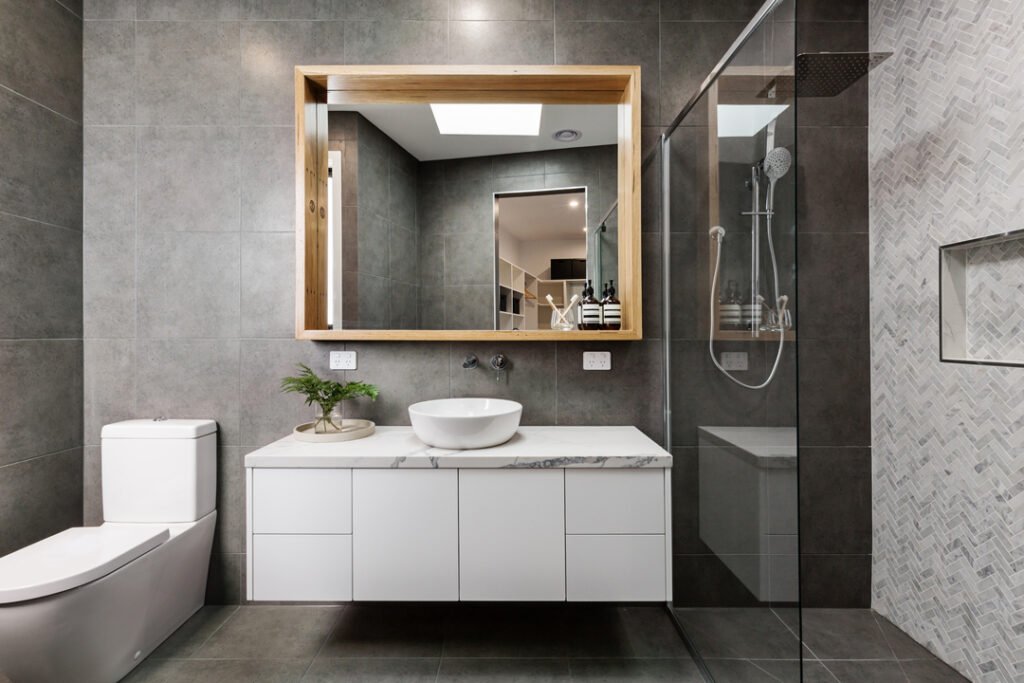
When planning a bathroom renovation or refresh, the ceiling is often overlooked. Yet, the right ceiling treatment can elevate your space, add character, and even solve practical issues like moisture control or lighting. Whether you’re updating a compact powder room or a spacious master bath, exploring creative bathroom ceiling ideas can help you achieve a polished, cohesive look that truly completes your design.
From classic painted finishes to innovative materials and lighting solutions, there are plenty of ways to make your bathroom ceiling both functional and stylish. In this guide, we’ll cover a range of options—suitable for different budgets, tastes, and room sizes—so you can find inspiration for your next project. If you’re just starting out, don’t forget that measuring bathroom space correctly is a crucial first step before making any design decisions.
Why the Ceiling Matters in Bathroom Design
The ceiling is often called the “fifth wall” of any room, but in bathrooms, it plays an even more important role. Moisture, steam, and temperature changes can all impact the longevity and appearance of ceiling materials. Beyond durability, the ceiling can also influence the overall ambiance, making a small room feel larger or adding warmth and texture to a minimalist space.
Incorporating thoughtful bathroom ceiling ideas can help you:
- Enhance natural and artificial lighting
- Improve ventilation and reduce mold risk
- Add architectural interest and value
- Express your personal style
Popular Materials and Finishes for Bathroom Ceilings
Choosing the right material is essential for both aesthetics and practicality. Here are some of the most popular options for bathroom ceilings:
Moisture-Resistant Paint
One of the simplest and most cost-effective solutions is a coat of moisture-resistant paint. This option allows you to easily refresh the look of your bathroom while protecting against humidity and mildew. Choose a satin or semi-gloss finish for added durability and easy cleaning.
Wood Paneling and Beadboard
Wood paneling, such as beadboard or shiplap, brings warmth and texture to the ceiling. When properly sealed and painted, these materials can withstand the humid environment of a bathroom. White beadboard is a classic choice for cottage or coastal-inspired designs, while stained wood adds richness to more traditional or rustic spaces.
Waterproof Panels and Tiles
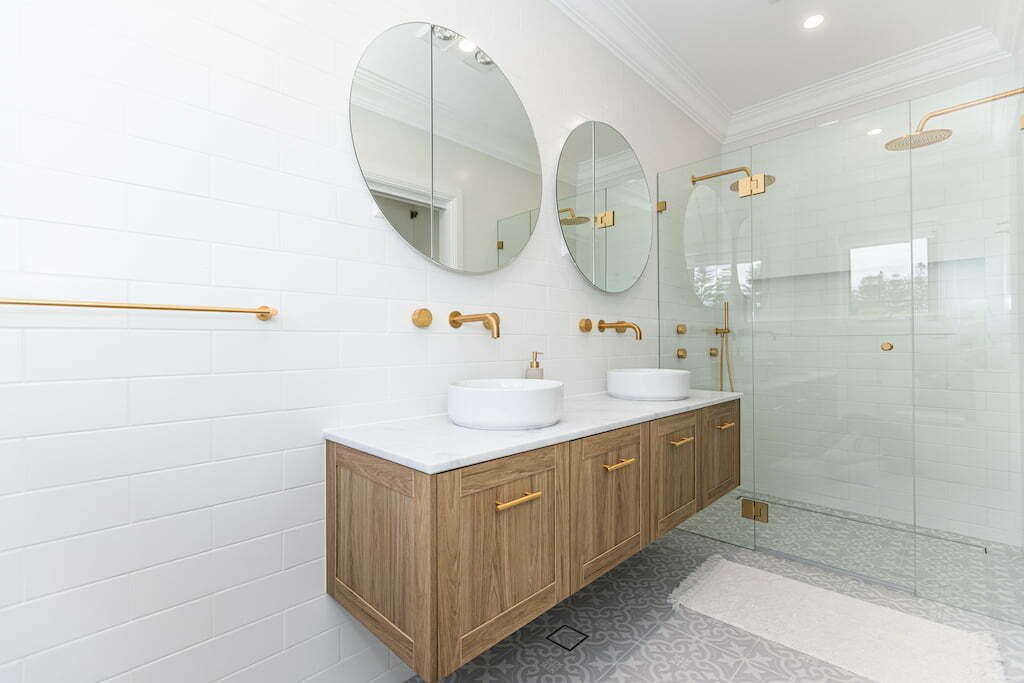
For maximum protection against moisture, consider installing waterproof ceiling panels or tiles. PVC panels, vinyl tiles, and even certain types of metal tiles are designed specifically for wet environments. These materials are easy to clean, resist mold, and come in a variety of styles—from sleek and modern to ornate and traditional.
Drywall with Special Coatings
Standard drywall can be used on bathroom ceilings if it’s treated with a mildew-resistant primer and paint. For areas with high humidity, look for green board or blue board drywall, which offer additional moisture resistance. This option provides a smooth, seamless look that works well with most design styles.
Creative Lighting and Architectural Features
Lighting plays a crucial role in how your ceiling looks and feels. Integrated lighting solutions can make a bathroom feel brighter and more inviting, while architectural details add depth and personality.
Recessed and Cove Lighting
Recessed lights are a popular choice for bathrooms, providing even illumination without taking up visual space. For a more dramatic effect, consider adding cove lighting around the perimeter of the ceiling. This indirect light source creates a soft glow and highlights architectural features.
Tray and Coffered Ceilings
Tray ceilings feature a raised central section, often accented with crown molding or contrasting paint. Coffered ceilings use a grid of beams to create a pattern of recessed panels. Both options add architectural interest and can make a standard bathroom feel more luxurious.
Skylights and Translucent Panels
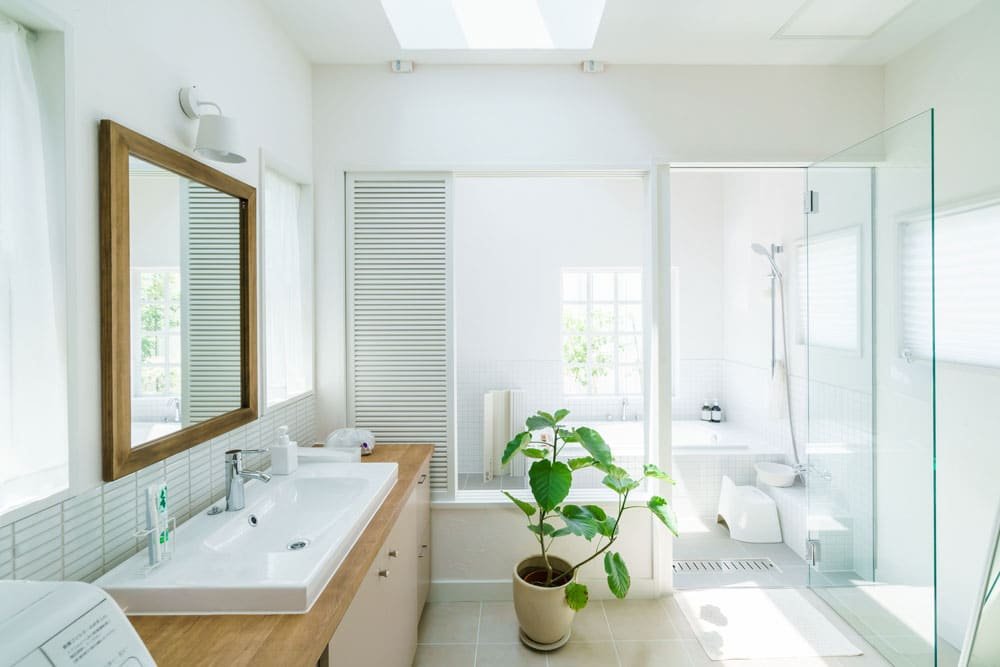
If your bathroom is on the top floor or has roof access, a skylight can flood the space with natural light. For privacy, consider frosted or textured glass. Translucent ceiling panels are another way to diffuse light and create a spa-like atmosphere.
Color and Texture: Making a Statement Overhead
Don’t be afraid to use color or texture to make your ceiling stand out. Here are a few ways to add personality:
- Bold Paint Colors: A deep blue or charcoal ceiling can add drama and make white fixtures pop.
- Wallpaper: Moisture-resistant wallpaper in a subtle pattern or bold print can turn the ceiling into a focal point.
- Metallic Finishes: Tin tiles or metallic paint add vintage charm or modern glamour, depending on the finish.
Tips for Choosing the Right Ceiling Treatment
With so many bathroom ceiling ideas available, narrowing down your options can feel overwhelming. Here are some practical tips to help you decide:
- Consider Ceiling Height: Lighter colors and reflective materials can make low ceilings feel taller, while dark or textured finishes add coziness to high ceilings.
- Factor in Ventilation: Proper ventilation is essential to prevent mold and mildew. Make sure your chosen material can withstand humidity, and consider integrating a vent fan into your ceiling design.
- Match Your Style: Coordinate the ceiling with your overall bathroom theme. For example, beadboard suits a farmhouse look, while sleek panels work well in modern spaces.
- Think About Maintenance: Choose materials that are easy to clean and maintain, especially in high-moisture environments.
For more inspiration on affordable upgrades, check out bathroom remodel under $1000 for practical tips that can be applied to ceiling projects as well.
Inspiration from Real Renovations
Looking at completed projects can spark new ideas for your own space. You’ll find that even small changes—like adding crown molding or updating the paint color—can have a big impact. For a high-end look, explore this comprehensive bathroom remodel guide for expert advice and visual examples.
If you enjoy hands-on projects, consider exploring DIY bathroom decor projects that can complement your ceiling updates and tie the whole room together.
FAQs About Upgrading Your Bathroom Ceiling
What is the best material for a bathroom ceiling?
The ideal material depends on your budget, style, and moisture levels. Moisture-resistant paint, PVC panels, and sealed wood are all popular choices. For high-humidity bathrooms, waterproof panels or tiles offer the best protection and longevity.
Can I use wallpaper on a bathroom ceiling?
Yes, as long as you choose a wallpaper that is specifically designed for high-moisture environments. Vinyl or moisture-resistant wallpaper works well and can add pattern or color to your ceiling. Always ensure proper ventilation to prevent peeling or mold.
How do I prevent mold on my bathroom ceiling?
Proper ventilation is key. Install an exhaust fan and use moisture-resistant materials. Regularly clean the ceiling and check for leaks. Using mildew-resistant paint or coatings can also help protect against mold growth.
Final Thoughts
Updating your bathroom ceiling is a smart way to enhance both the look and function of your space. With so many bathroom ceiling ideas to choose from, you can find a solution that fits your style, budget, and practical needs. Whether you opt for a simple paint refresh, add architectural details, or install innovative lighting, a well-designed ceiling will help your bathroom feel complete and inviting.
For more creative inspiration, explore thrifted bathroom makeover ideas or get practical advice on bathroom renovation financing tips to help you plan your next project with confidence.