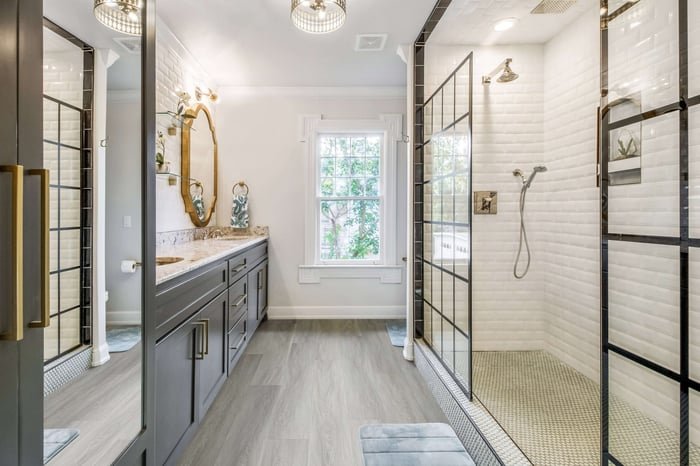
Slippery bathroom floors are a leading cause of household accidents, especially in homes with children, seniors, or anyone with limited mobility. The combination of water, soap, and smooth surfaces can quickly turn a bathroom into a hazard zone. Fortunately, anti slip floor treatments offer practical solutions to enhance safety without sacrificing style or comfort.
Whether you’re renovating an existing space or planning a new bathroom, understanding the range of slip-resistant options is essential. This guide explores the most effective methods, materials, and products to minimize the risk of slips and falls, helping you create a safer environment for everyone.
For those interested in exploring specific materials, you might want to learn more about slip resistant bathroom tile options, which offer both safety and design versatility.
Why Bathroom Floors Become Slippery
Bathrooms are exposed to constant moisture from showers, baths, and sinks. Water, combined with soap residue, shampoo, and cleaning products, creates a film that reduces friction on tile, vinyl, or laminate surfaces. This lack of traction is the main reason slips occur, especially on glossy or polished floors.
Certain flooring types, such as ceramic tiles or polished stone, are more prone to becoming slick when wet. Even textured surfaces can lose their grip over time due to wear or improper cleaning. Understanding these factors is the first step in choosing the right anti slip floor treatments for your space.
Types of Anti-Slip Solutions for Bathrooms
There are several approaches to making bathroom floors safer. Some involve installing new materials, while others can be applied to existing surfaces. Here are the most common options:
- Non-slip coatings: Clear or tinted liquids that bond to tile, stone, or vinyl, creating a micro-textured surface that increases traction.
- Anti-slip mats and tapes: Removable products placed in high-risk areas like showers or near sinks.
- Textured flooring materials: Tiles, vinyl, or laminate with built-in texture or grip-enhancing finishes.
- Etching treatments: Chemical solutions that slightly roughen the surface of ceramic or porcelain tiles, improving slip resistance.
- Rugs with non-slip backing: Soft, absorbent mats designed to stay in place even when wet.
Each method has its own benefits and considerations. The best choice depends on your budget, style preferences, and whether you’re updating an existing floor or starting from scratch.
Applying Non-Slip Coatings and Etching Treatments
One of the most popular ways to improve bathroom safety is by using a non-slip coating or an etching solution. These products are especially useful for ceramic, porcelain, or stone tiles that lack built-in texture.
- Clean the surface thoroughly: Remove all dirt, soap scum, and oils. A clean surface ensures the treatment bonds properly.
- Apply the product: Follow the manufacturer’s instructions for application. Most coatings are rolled or brushed on, while etching treatments are poured and spread evenly.
- Allow to cure: Let the floor dry and cure for the recommended time before using the bathroom again.
- Test for effectiveness: After curing, test the surface with wet feet or shoes to ensure improved traction.
These treatments are generally invisible and do not alter the appearance of your floor. However, it’s important to reapply them periodically, as their effectiveness can diminish over time.
Choosing Slip-Resistant Flooring Materials
If you’re remodeling or building a new bathroom, consider installing flooring designed for safety. Options like textured porcelain tiles, luxury vinyl planks, and water-resistant laminates offer both style and slip resistance.
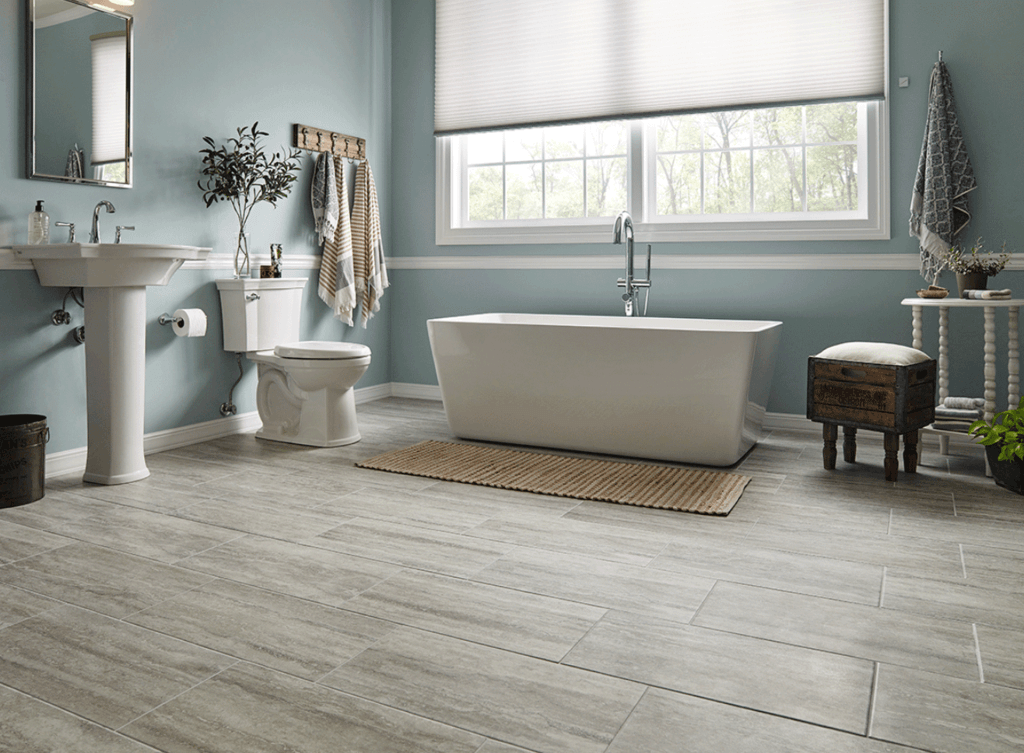
For more details on durable options, see this resource on bathroom flooring durability to find surfaces that last and stay safe.
Comparing Popular Bathroom Flooring Types
| Material | Slip Resistance | Water Resistance | Maintenance |
|---|---|---|---|
| Textured Porcelain Tile | High | Excellent | Easy |
| Luxury Vinyl Plank | Moderate to High | Excellent | Very Easy |
| Natural Stone (Honed) | Moderate | Good | Moderate |
| Water-Resistant Laminate | Moderate | Good | Easy |
For families with pets or children, you may also want to explore pet friendly bathroom flooring or child friendly bathroom flooring to ensure your choice suits everyone in your household.
Enhancing Safety with Accessories and Maintenance
Beyond permanent treatments, there are simple accessories and habits that further reduce slip risks:
- Non-slip bath mats: Place these inside and outside the shower or tub. Choose mats with strong suction cups or rubber backing.
- Absorbent rugs: Use quick-drying, non-slip rugs near sinks and toilets to soak up splashes.
- Regular cleaning: Remove soap residue and hard water deposits, as these can make even textured floors slippery.
- Check for wear: Replace mats or reapply coatings if you notice decreased traction.
For more inspiration on combining safety and style, see these bathroom flooring ideas that highlight both practical and aesthetic considerations.

Tips for Maintaining Slip Resistance Over Time
Even the best anti slip floor treatments require regular care to remain effective. Here are some maintenance tips:
- Clean with non-oily products: Avoid waxes or oil-based cleaners, as these can leave a slippery residue.
- Inspect regularly: Check for worn areas, especially in high-traffic zones, and reapply treatments as needed.
- Ventilate the bathroom: Good airflow helps floors dry faster, reducing the risk of mold and slippery surfaces.
- Upgrade when necessary: If your current flooring is too slick or difficult to maintain, consider switching to a more slip-resistant material.
If you’re considering laminate, read about water resistant laminate for bathroom to see if it’s a good fit for your needs.
Frequently Asked Questions
How long do non-slip coatings last on bathroom floors?
Most non-slip coatings provide effective traction for 1–2 years, depending on foot traffic and cleaning frequency. High-use areas may need more frequent reapplication. Always follow the manufacturer’s recommendations for maintenance.
Are anti-slip treatments safe for all types of bathroom flooring?
Many treatments are designed for use on ceramic, porcelain, and natural stone, but not all are suitable for vinyl or laminate. Always check product compatibility before application to avoid damaging your floor.
Can I make my existing bathroom floor less slippery without replacing it?
Yes. You can use non-slip coatings, etching treatments, or add non-slip mats and rugs to improve traction. Regular cleaning to remove soap and residue also helps maintain a safer surface.
What is the best flooring for a family bathroom with kids and pets?
Textured porcelain tile and luxury vinyl plank are both excellent choices for families. They offer good slip resistance, durability, and are easy to clean. For more tailored advice, see resources on child friendly bathroom flooring and pet friendly bathroom flooring.
Conclusion
Preventing slips in the bathroom is a practical investment in your household’s safety and comfort. By choosing the right anti slip floor treatments—from coatings and etching solutions to slip-resistant flooring materials and accessories—you can significantly reduce the risk of falls. Regular maintenance and smart product choices ensure your bathroom remains both stylish and secure for years to come.