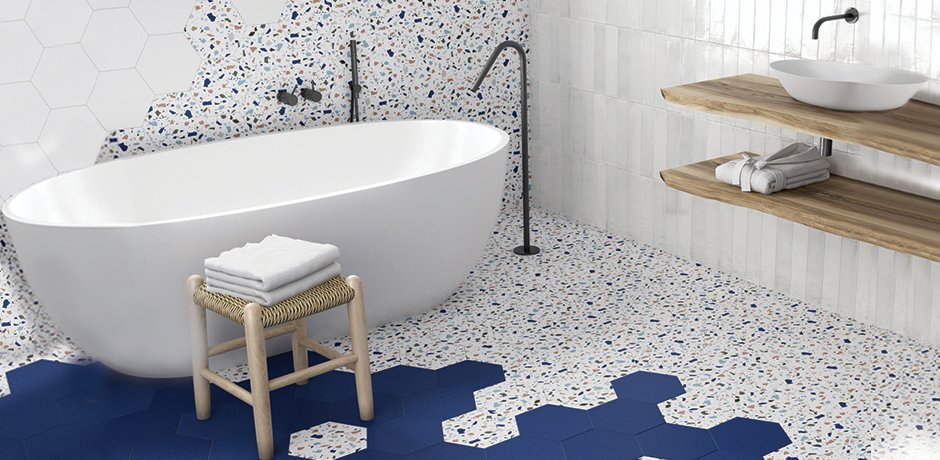
Choosing the right waterproof bathroom flooring is essential for safeguarding your home against moisture, spills, and daily wear. Bathrooms are exposed to water more than any other room, making it crucial to select materials that resist damage, prevent mold growth, and offer long-lasting durability. Whether you’re renovating a small powder room or updating a master bath, understanding your options will help you create a space that’s both stylish and resilient.
In this article, we’ll explore the best flooring choices for wet environments, compare their benefits, and provide practical advice on installation and care. For additional inspiration, you can browse a variety of modern bathroom flooring ideas that combine function with design.
Why Moisture-Resistant Flooring Matters in Bathrooms
Bathrooms are high-humidity zones where water splashes, steam, and spills are part of everyday life. Without proper protection, moisture can seep into the subfloor, leading to warping, staining, and even structural damage. Mold and mildew thrive in damp environments, posing health risks and requiring costly remediation.
Investing in waterproof flooring for bathrooms not only preserves the appearance of your space but also extends the life of your home’s infrastructure. The right choice keeps surfaces easy to clean, safe to walk on, and looking fresh for years.
Top Choices for Waterproof Flooring in Bathrooms
There are several materials designed specifically to withstand wet conditions. Each offers unique advantages in terms of style, installation, and maintenance. Below, we break down the most popular options for homeowners seeking reliable moisture protection.
Luxury Vinyl Plank and Tile
Luxury vinyl flooring has become a favorite for bathrooms due to its realistic wood and stone looks, combined with superior water resistance. The planks and tiles are constructed with a waterproof core, making them ideal for areas prone to splashes and spills. Installation is straightforward, often featuring click-lock systems or adhesive backing.
- Resists water, stains, and scratches
- Comfortable underfoot and warmer than tile
- Available in a wide range of designs and colors
- Easy to clean with regular sweeping and mopping
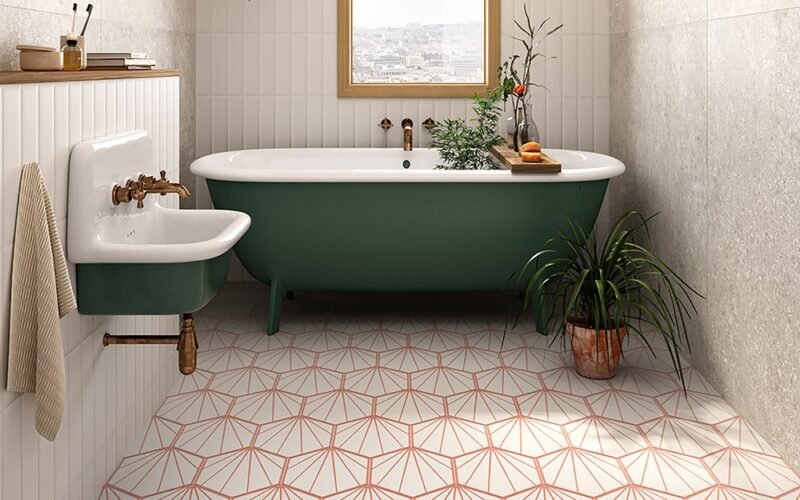
Porcelain and Ceramic Tile
Porcelain and ceramic tiles are classic choices for wet rooms, offering unmatched durability and water resistance. Porcelain, in particular, is denser and less porous than ceramic, making it suitable for floors and even shower enclosures. Tiles come in various shapes, sizes, and finishes, allowing for creative patterns and custom looks.
- Completely waterproof when properly installed and grouted
- Highly resistant to stains and scratches
- Wide selection of colors, textures, and patterns
- Requires minimal maintenance beyond regular cleaning

Other Waterproof Solutions for Bathroom Floors
While vinyl and tile are the most popular, there are additional materials that offer strong water resistance for bathrooms:
- Sheet vinyl: Seamless installation reduces the risk of water seeping through joints. It’s affordable and available in many styles.
- Natural stone (sealed): Materials like slate or granite can work well if properly sealed and maintained, though they require more upkeep than synthetic options.
- Engineered wood (water-resistant varieties): Some engineered hardwoods are designed for damp environments, but they must be installed carefully to avoid moisture penetration.
Installation Tips for Long-Lasting Results
Proper installation is critical for maximizing the effectiveness of any moisture-resistant flooring. Here are some guidelines to ensure your new surface performs as intended:
- Always start with a dry, level subfloor. Remove old flooring and check for signs of water damage.
- Use manufacturer-recommended adhesives, underlayments, and sealants to prevent water from seeping beneath the surface.
- Pay special attention to seams, edges, and transitions. Caulk or grout these areas thoroughly to block moisture entry.
- Allow adequate curing time before exposing the new floor to water or heavy use.
Maintaining Your Bathroom’s Water-Resistant Floors
Keeping your bathroom floor in top condition is simple with the right care routine. Here’s how to maintain both appearance and performance:
- Sweep or vacuum regularly to remove dirt and debris that can scratch the surface.
- Wipe up spills promptly to prevent staining or water pooling.
- Use gentle, non-abrasive cleaners suitable for your flooring type.
- Inspect grout lines and seals periodically, reapplying as needed to maintain waterproofing.
Frequently Asked Questions
What is the best type of waterproof flooring for bathrooms?
The most reliable options are luxury vinyl plank, porcelain tile, and sheet vinyl. These materials are specifically engineered to resist water and are easy to maintain. The best choice depends on your style preferences, budget, and installation needs.
Can I install waterproof flooring over existing tiles?
In many cases, you can install new water-resistant flooring over old tiles if the surface is clean, level, and in good condition. However, always check the manufacturer’s guidelines and consider consulting a professional for best results.
How do I prevent mold and mildew under bathroom floors?
The key is to use moisture-proof materials and ensure proper installation with sealed seams and edges. Regularly inspect for leaks and address any water damage immediately. Good ventilation also helps reduce humidity and mold risk.
Are there stylish options for waterproof bathroom floors?
Absolutely. Modern waterproof flooring comes in a variety of designs, including wood-look planks, stone-effect tiles, and colorful mosaics. You can find options that match any décor, from minimalist to traditional.
Conclusion
Selecting the right flooring for wet areas is a smart investment in your home’s comfort and longevity. By choosing materials designed to resist water and following best practices for installation and care, you’ll enjoy a beautiful, functional bathroom for years to come. For more design inspiration and practical advice, explore creative bathroom flooring ideas from industry experts.