
Choosing the right surface for your bathroom floor is a decision that impacts durability, comfort, maintenance, and style. Among the most popular options, tile vs vinyl bathroom flooring stands out as a common comparison for homeowners and renovators. Each material brings its own set of advantages and drawbacks, making the choice highly dependent on your needs, budget, and design preferences.
This article will break down the key differences between tile and vinyl for bathroom floors, covering aspects like water resistance, installation, cost, and long-term value. Whether you’re remodeling a master bath or updating a powder room, understanding these flooring types will help you make a confident, informed decision.
For more inspiration on surfaces and styles, see these bathroom flooring ideas that can upgrade any space.
Comparing Water Resistance and Durability
Bathrooms are high-moisture environments, so water resistance is a top priority. Both tile and vinyl are considered suitable for wet areas, but they differ in performance and longevity.
- Ceramic and porcelain tile are naturally waterproof, making them ideal for bathrooms. When installed with proper grout and sealing, they resist water penetration and can last for decades.
- Vinyl flooring, especially luxury vinyl planks (LVP) and tiles (LVT), is also highly water-resistant. Most modern vinyl products are designed to withstand splashes and humidity, but standing water can sometimes seep into seams if not installed perfectly.
When it comes to durability, tile is generally more resistant to scratches, dents, and heavy wear. Vinyl, while tough, can be punctured by sharp objects or dented by heavy furniture. However, vinyl’s resilience and slight cushioning make it more forgiving underfoot, especially in homes with kids or elderly residents.
Installation: Ease and Flexibility
One of the biggest differences between these two flooring types is the installation process. Tile requires a solid subfloor, precise cutting, and time for mortar and grout to cure. This often means hiring a professional, which adds to the overall cost and timeline.
Vinyl flooring, on the other hand, is known for its DIY-friendly installation. Many products feature click-lock or peel-and-stick designs, allowing homeowners to install them directly over existing floors with minimal tools. This can significantly reduce labor costs and project time.
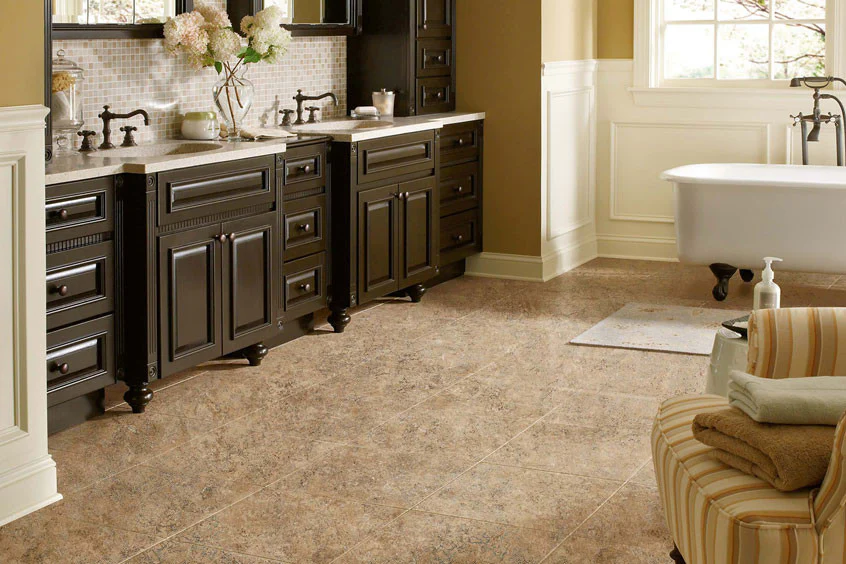
Maintenance and Cleaning Considerations
Keeping your bathroom floor clean and looking new is an important factor in the decision-making process. Tile floors are easy to sweep and mop, but grout lines can become stained or develop mildew over time. Regular sealing and occasional deep cleaning are recommended to keep tile looking its best.
Vinyl flooring offers a low-maintenance solution. Its seamless surface resists stains and can be cleaned with a damp mop and mild cleaner. There’s no grout to worry about, making it a convenient choice for busy households.
If you’re interested in more details on vinyl flooring for bathrooms, you’ll find additional tips and product recommendations to help you decide.
Style, Comfort, and Design Options
Both tile and vinyl offer a wide range of styles, colors, and patterns. Tile is available in materials like porcelain, ceramic, and even natural stone, providing endless design possibilities. You can create classic, modern, or even mosaic looks with ease.
Vinyl has made significant advances in design realism. High-definition printing allows vinyl planks and tiles to mimic the look of wood, stone, or ceramic at a fraction of the cost. Vinyl also feels warmer and softer underfoot compared to tile, which can be cold and hard unless paired with radiant heating.

For those prioritizing safety, especially in homes with children or seniors, explore non slip bathroom flooring options to reduce the risk of slips and falls.
Cost and Long-Term Value
Budget is a major consideration for most bathroom renovation projects. Vinyl is generally the more affordable option, both in terms of material and installation. It’s a cost-effective choice for quick updates or rental properties.
Tile, while more expensive upfront, offers greater longevity and can increase the value of your home. Properly installed tile can last 20 years or more, while vinyl may need replacement after 10-15 years depending on wear and tear.
If you’re weighing the pros and cons for your specific space, check out this guide to the best flooring for bathrooms for a ranked overview of top options.
Environmental Impact and Health Considerations
For eco-conscious homeowners, it’s important to consider the environmental impact of your flooring choice. Tile is made from natural materials and can be recycled, but its production is energy-intensive. Vinyl is made from synthetic materials and may emit VOCs (volatile organic compounds), though many modern products are low-VOC certified.
Both materials are hypoallergenic and resist mold growth when installed and maintained properly. Always look for products with health and safety certifications if indoor air quality is a concern.
For more ideas on surfaces that offer protection against water and moisture, see this resource on waterproof bathroom flooring.
Expert Tips for Making the Right Choice
- Consider your household’s lifestyle. Busy families may benefit from the easy care of vinyl, while those seeking long-term value might prefer tile.
- Think about comfort and warmth. Vinyl feels softer and warmer, but tile can be paired with radiant heating for added comfort.
- Factor in installation skills and budget. DIYers may find vinyl more approachable, while tile often requires professional help.
- Don’t forget about safety. Choose slip-resistant finishes for added peace of mind.
For even more inspiration, browse these creative bathroom floor ideas to see what’s trending in modern homes.
Frequently Asked Questions
Is tile or vinyl better for a bathroom with heavy moisture?
Both materials are suitable for wet environments, but tile offers superior water resistance and is less likely to be damaged by standing water. Vinyl is highly water-resistant, but seams must be properly sealed to prevent moisture from seeping underneath.
Which flooring option is easier to install for DIYers?
Vinyl flooring is generally easier for DIY installation, thanks to click-lock and peel-and-stick options. Tile requires more tools, skill, and time, making it better suited for professional installation unless you have experience.
How do I maintain and clean these bathroom floors?
Vinyl is low-maintenance and can be cleaned with a damp mop and mild detergent. Tile is also easy to clean, but grout lines may require periodic scrubbing and sealing to prevent stains and mildew.
Does either option add value to my home?
Tile typically adds more long-term value due to its durability and classic appeal. Vinyl is cost-effective and stylish but may not boost resale value as much as tile.