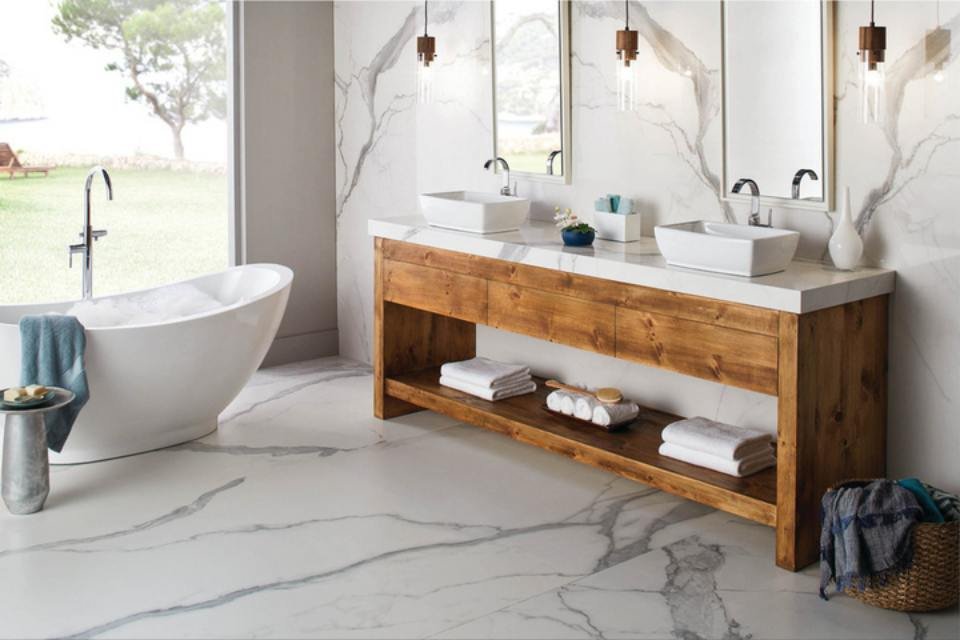
Choosing the right floor for your bathroom is a decision that impacts not only the look of the space but also its safety, durability, and maintenance. One piece bathroom flooring systems have become increasingly popular for homeowners and renovators seeking a seamless, watertight, and low-maintenance solution. These innovative systems eliminate grout lines and joints, reducing the risk of leaks and making cleaning much easier.
In this article, you’ll discover how these integrated flooring options work, their benefits, installation methods, and how they compare to traditional bathroom floors. If you’re considering a remodel or building a new bathroom, understanding the pros and cons of seamless flooring can help you make an informed choice. For those prioritizing safety, you might also want to explore slip resistant bathroom tile options to complement your flooring decision.
What Are Seamless Bathroom Flooring Solutions?
Seamless or one piece bathroom flooring systems refer to floor coverings that are installed in a single, continuous layer. Unlike traditional tiles or planks, these systems have no visible seams or grout lines, creating a smooth, uninterrupted surface. Common materials used for these floors include sheet vinyl, poured resin (such as epoxy or polyurethane), and specialized waterproof panels.
The absence of joints means fewer places for water to seep through, which is especially important in wet environments like bathrooms. This design also helps prevent mold and mildew growth, as there’s less opportunity for moisture to get trapped beneath the surface.
Key Advantages of Integrated Bathroom Flooring
Homeowners and designers are drawn to these systems for several compelling reasons:
- Waterproof Performance: The continuous surface acts as a barrier, protecting subfloors from leaks and water damage.
- Easy Maintenance: With no grout lines or seams, cleaning is straightforward—just mop or wipe down as needed.
- Modern Aesthetic: The sleek, seamless look fits both contemporary and minimalist design styles.
- Improved Hygiene: Fewer crevices mean less opportunity for bacteria, mold, or dirt to accumulate.
- Slip Resistance: Many options are available with textured finishes for added safety, especially in wet zones.
If you have pets or children, you might also be interested in specialized options like pet friendly bathroom flooring or child friendly bathroom flooring to further enhance safety and durability.
Popular Materials Used in Seamless Bathroom Floors
There are several materials that can be used to achieve a seamless bathroom floor. Each has its own characteristics and suitability depending on your needs and budget.
- Sheet Vinyl: This is one of the most accessible and cost-effective options. Sheet vinyl comes in large rolls and can be cut to fit the exact dimensions of your bathroom, minimizing seams. It’s available in a wide range of colors and patterns, including realistic wood and stone looks.
- Poured Resin (Epoxy or Polyurethane): These floors are created by pouring a liquid resin over the subfloor, which then hardens into a tough, waterproof surface. Poured resin is highly customizable in terms of color and finish, and is often used in high-end or commercial bathrooms.
- Waterproof Panels: Some modern systems use large, waterproof panels that are joined together with nearly invisible seams. These panels can mimic the look of tile or stone but offer the benefits of a continuous surface.
How to Install a Seamless Bathroom Floor
The installation process varies depending on the material you choose, but there are some common steps:
- Preparation: The subfloor must be clean, dry, and level. Any imperfections can show through a seamless floor, so professional preparation is crucial.
- Moisture Barrier: In many cases, a moisture barrier is installed to protect against water infiltration from below.
- Material Application: For sheet vinyl, the material is rolled out, cut to fit, and glued down. For poured resin, the liquid is mixed and poured, then spread evenly and allowed to cure. Panels are measured, cut, and joined with waterproof adhesives or interlocking systems.
- Finishing Touches: Edges are sealed, and any fixtures (like toilets or vanities) are reinstalled. The floor is then cleaned and inspected for uniformity.
While some DIY enthusiasts tackle these projects themselves, hiring a professional is recommended for the best results—especially with poured resin systems, which require skill and experience for a flawless finish.
Comparing Seamless Floors to Traditional Bathroom Options
Traditional bathroom floors, such as ceramic tile or laminate planks, have visible seams and grout lines. While these can be attractive and durable, they require more maintenance and are more susceptible to water infiltration over time. Grout can stain, crack, or harbor mold, especially in high-moisture environments.
In contrast, one piece bathroom flooring systems offer a continuous, watertight barrier that stands up well to daily use. However, they may have a higher upfront installation cost, particularly for custom or poured options. The long-term savings in maintenance and repairs often offset this initial investment.
For those interested in longevity, it’s worth reading about bathroom flooring durability to compare how seamless solutions stack up against other materials.
Design and Style Options for Seamless Bathroom Floors
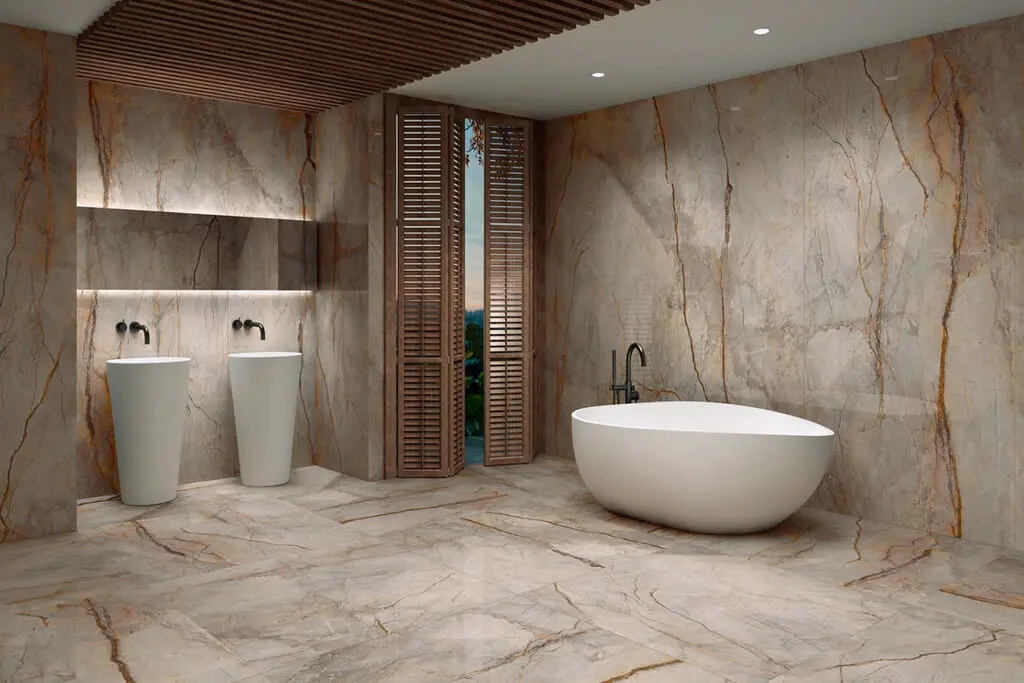
These flooring systems are available in a wide variety of colors, textures, and finishes. Sheet vinyl can mimic the appearance of wood, stone, or ceramic tile, while poured resin can be tinted to virtually any color and finished with matte, satin, or glossy sheens. Some systems even allow for embedded patterns or decorative flakes for a unique look.
If you want inspiration for your bathroom renovation, check out this gallery of bathroom flooring ideas from a leading manufacturer.
For those who prefer laminate, there are also water resistant laminate for bathroom options that offer a similar seamless appearance with added durability.
Maintenance and Longevity
One of the biggest advantages of seamless bathroom floors is their low maintenance. Regular sweeping and occasional mopping with a mild cleaner are usually all that’s needed. There are no grout lines to scrub or reseal, and the continuous surface resists staining and water damage.
With proper care, these floors can last for many years. Sheet vinyl typically lasts 10–20 years, while poured resin systems can exceed 20 years with minimal upkeep. If damage does occur, repairs are often straightforward—small scratches or dents can be patched or refinished without replacing the entire floor.
Frequently Asked Questions
Are seamless bathroom floors slippery when wet?
Many seamless flooring options are available with textured or slip-resistant finishes to enhance safety. Always check the slip rating of the product you choose, especially if the bathroom will be used by children or older adults.
Can these floors be installed over existing tiles?
In many cases, yes. As long as the existing surface is stable, clean, and level, sheet vinyl or poured resin can often be installed directly over old tiles. However, professional assessment is recommended to ensure a proper bond and long-term performance.
How do I choose between vinyl, resin, or panels?
The best choice depends on your budget, design preferences, and how much traffic the bathroom receives. Vinyl is affordable and versatile, resin offers high-end customization and durability, while panels provide a balance between aesthetics and practicality.