The look and feel of your bathroom floor can set the tone for the entire space. Among the many modern options, micro cement bathroom flooring stands out for its seamless finish, durability, and versatility. Whether you’re renovating a compact powder room or designing a spa-like retreat, understanding the benefits and style possibilities of this innovative surface can help you make an informed decision.
This article explores the main advantages, design trends, and practical considerations of microcement surfaces for bathrooms. If you’re also interested in safety or family-friendly features, you might want to explore slip resistant bathroom tile options for added peace of mind.
What Is Microcement and Why Choose It for Bathrooms?
Microcement, sometimes called microconcrete or microtopping, is a cement-based coating applied in thin layers over existing surfaces. It creates a smooth, joint-free finish that’s both modern and practical. In bathrooms, this material is valued for its ability to deliver a continuous look across floors, walls, and even shower enclosures.
The seamless nature of microcement means fewer grout lines, which not only enhances visual flow but also reduces places where mold and dirt can accumulate. This makes cleaning easier and helps maintain a hygienic environment—an important consideration for any bathroom.
Advantages of Micro Cement Bathroom Flooring
Choosing microcement for your bathroom floor brings several notable benefits. Here are some of the top reasons homeowners and designers are turning to this surface:
- Water Resistance: When properly sealed, microcement forms a waterproof barrier, making it suitable for wet areas like showers and around bathtubs.
- Durability: This material is highly resistant to scratches, impacts, and stains. It stands up well to daily use, even in busy households.
- Low Maintenance: The absence of joints means less scrubbing and fewer places for grime to hide. Regular sweeping and occasional mopping are usually sufficient.
- Versatility: Microcement can be applied over existing tiles, concrete, or screed, reducing the need for demolition and speeding up renovations.
- Customizable Appearance: Available in a wide range of colors and finishes, from matte to satin, it can be tailored to suit any design vision.
- Slip Resistance: Textured finishes can be specified to improve grip, which is especially important in wet zones.
For those prioritizing longevity, you may also want to read about bathroom flooring durability to compare how microcement stacks up against other surfaces.
Popular Styles and Design Ideas for Microcement Floors
One of the biggest draws of microcement is its design flexibility. Here are some of the most popular ways to incorporate this material into your bathroom:
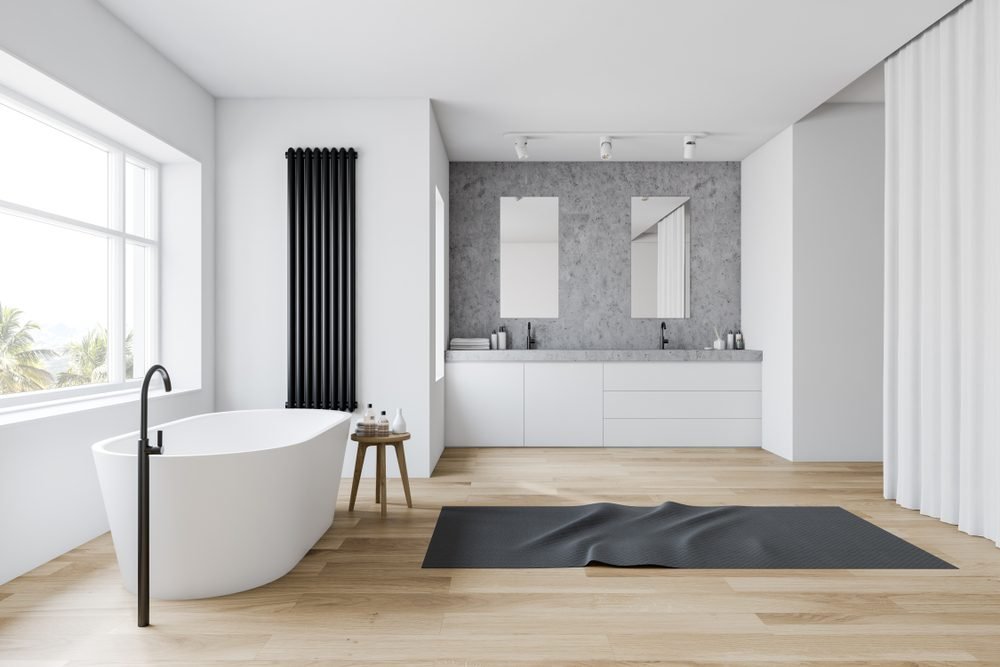
- Minimalist Monochrome: Opt for a single, soft gray or beige tone for a calm, spa-like atmosphere.
- Industrial Chic: Darker shades and matte finishes pair well with exposed plumbing and metal fixtures for an urban vibe.
- Warm Neutrals: Earthy hues create a cozy, inviting feel, especially when combined with wood accents or natural stone.
- Bold Color Accents: While subtle tones are most common, microcement can be tinted in bold colors for a statement floor.
- Integrated Surfaces: Extend the microcement from the floor up the walls or into the shower for a continuous, enveloping look.
Comparing Microcement to Other Bathroom Flooring Options
While microcement offers a unique set of benefits, it’s helpful to compare it with other common bathroom flooring materials:
| Feature | Microcement | Tile | Vinyl |
|---|---|---|---|
| Seamless Finish | Yes | No (grout lines) | Yes |
| Waterproof | Yes (when sealed) | Yes | Yes |
| Custom Colors | Wide range | Moderate | Limited |
| Installation | Specialist required | DIY possible | DIY possible |
| Maintenance | Low | Moderate | Low |
| Cost | Medium–High | Low–High | Low |
If you’re considering alternatives, you can find more inspiration and practical advice on bathroom flooring ideas from Amtico.
Installation and Maintenance Tips
While microcement can be applied over many existing surfaces, it’s important to have it installed by a professional with experience in this material. The process involves several steps: surface preparation, primer application, layering the microcement, and sealing. Each layer must cure properly to ensure a long-lasting, waterproof finish.
For ongoing care, avoid harsh chemicals and stick to pH-neutral cleaners. Resealing every few years helps maintain water resistance and appearance. If you have pets or children, you may also want to explore pet friendly bathroom flooring or child friendly bathroom flooring for additional guidance on safe, durable surfaces.
Potential Drawbacks and Considerations
While microcement offers many advantages, there are a few factors to keep in mind:
- Professional Installation Required: Achieving a flawless finish takes skill and experience, so DIY is not recommended.
- Cost: The price per square foot can be higher than standard tile or vinyl, especially when factoring in labor.
- Surface Preparation: Any cracks or movement in the substrate can transfer through the microcement, so proper prep is crucial.
- Periodic Resealing: To maintain its waterproof qualities, the surface should be resealed as recommended by the installer.
For those interested in laminate options, you can learn about water resistant laminate for bathroom as another alternative.
Frequently Asked Questions
Is microcement suitable for underfloor heating?
Yes, microcement is compatible with underfloor heating systems. Its thin application allows for efficient heat transfer, making it a comfortable choice for bathrooms in colder climates.
How long does microcement last in a bathroom?
With proper installation and maintenance, microcement floors can last for many years. Regular resealing and gentle cleaning help preserve the surface and prevent water damage.
Can microcement be repaired if damaged?
Minor scratches or chips can often be repaired by a professional. For larger issues, a new layer of microcement may be applied to restore the appearance.
Conclusion
Microcement brings a modern, seamless look to bathroom floors while offering practical benefits like water resistance and easy maintenance. Its versatility in color and finish makes it suitable for a range of design styles, from minimalist to bold. While professional installation and periodic resealing are necessary, the result is a durable, hygienic surface that can transform any bathroom into a contemporary retreat.