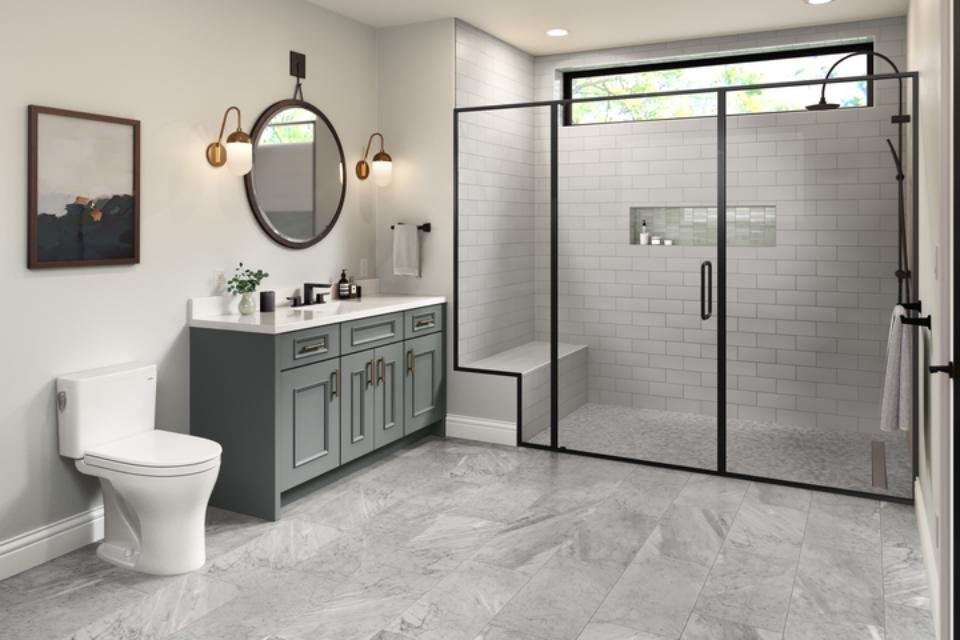
Choosing the right flooring for a bathroom is a crucial decision that impacts both style and function. Homeowners are increasingly turning to luxury vinyl plank for bathrooms as a practical and attractive solution. This flooring option combines the look of wood with impressive water resistance, making it well-suited for humid environments. In this guide, you’ll find a detailed look at the benefits, potential drawbacks, and expert tips for using this material in bathroom spaces.
If you’re exploring different surfaces for your next renovation, you’ll want to understand how vinyl plank compares to other bathroom flooring ideas. We’ll cover installation tips, maintenance advice, and answer common questions to help you make an informed choice.
Why Consider Vinyl Plank Flooring in Bathrooms?
Bathrooms present unique challenges for flooring: constant moisture, temperature swings, and the need for slip resistance. Luxury vinyl plank flooring is engineered to address these demands, offering a blend of durability and style. Unlike traditional hardwood, which can warp or swell, vinyl planks are built to withstand water exposure. Their layered construction includes a waterproof core and a protective wear layer, making them a strong contender for wet areas.
Many homeowners appreciate the authentic wood appearance that vinyl planks provide, along with the comfort underfoot. Compared to ceramic tile, vinyl is warmer and softer, which can be especially appealing in a bathroom setting. If you’re weighing your options, you might also want to explore the best flooring for bathrooms to see how vinyl stacks up against other popular choices.
Key Advantages of Luxury Vinyl Plank in Bathroom Spaces
- Water Resistance: The main advantage is its ability to repel water. High-quality planks are designed to be waterproof, making them ideal for bathrooms where spills and splashes are common.
- Easy Maintenance: Vinyl plank floors are simple to clean. Regular sweeping and occasional mopping with a mild cleaner are usually sufficient to keep them looking fresh.
- Realistic Appearance: Modern manufacturing techniques allow for highly realistic wood and stone visuals, giving your bathroom a stylish upgrade without the maintenance concerns of natural materials.
- Comfort and Warmth: Vinyl is softer and warmer underfoot compared to tile, making it more comfortable for bare feet, especially in colder months.
- Affordability: Compared to natural wood or stone, vinyl plank is generally more budget-friendly, both in terms of material and installation costs.
- DIY-Friendly Installation: Many products feature click-lock or adhesive systems, allowing for straightforward installation by homeowners with basic DIY skills.

Potential Drawbacks to Keep in Mind
While luxury vinyl plank for bathrooms offers many benefits, it’s important to be aware of its limitations:
- Subfloor Preparation: Vinyl planks require a smooth, dry, and level subfloor. Any imperfections can telegraph through the material, affecting appearance and performance.
- Susceptibility to Sharp Objects: Although durable, vinyl can be punctured or scratched by sharp objects. Care should be taken when moving furniture or dropping items.
- Not All Products Are Equal: Lower-quality planks may not offer true waterproofing or may wear out more quickly. Always check product specifications before purchasing.
- Potential for Fading: Prolonged exposure to direct sunlight can cause some vinyl planks to fade over time. Consider window coverings if your bathroom receives a lot of sunlight.
For those concerned about maximum water protection, it may be helpful to review waterproof bathroom flooring options for additional peace of mind.
Installation Tips for a Successful Bathroom Upgrade
Proper installation is key to getting the most out of your new floor. Here are some practical tips for working with vinyl plank in bathrooms:
- Acclimate the Material: Let the planks sit in the bathroom for at least 48 hours before installation. This helps them adjust to the room’s temperature and humidity.
- Prepare the Subfloor: Ensure the surface is clean, dry, and level. Remove any old adhesive, debris, or protruding nails.
- Use a Moisture Barrier: In bathrooms, an extra moisture barrier layer can help prevent water from seeping underneath the planks.
- Leave Expansion Gaps: Follow manufacturer guidelines for expansion gaps around the perimeter to accommodate temperature and humidity changes.
- Seal the Edges: Apply a waterproof silicone sealant around the edges, especially near tubs, toilets, and sinks, to prevent water intrusion.
- Stagger the Planks: For a natural look and added stability, stagger the end joints of the planks as you install them.
For more detailed step-by-step advice, consult a comprehensive bathroom flooring buying guide that covers installation and maintenance best practices.
Maintenance and Care for Long-Lasting Results
Keeping your vinyl plank floor in top condition is straightforward. Here are some essential care tips:
- Regular Cleaning: Sweep or vacuum frequently to remove dirt and debris that could scratch the surface.
- Damp Mopping: Use a damp mop with a mild, non-abrasive cleaner. Avoid soaking the floor or using harsh chemicals.
- Protect from Heavy Objects: Use felt pads under furniture and avoid dragging heavy items across the floor.
- Address Spills Promptly: Wipe up any standing water or spills quickly to prevent moisture from seeping through seams.
- Check for Wear: Inspect high-traffic areas regularly and replace damaged planks if needed.
If safety is a top priority, especially for families with children or elderly members, you may want to read about non slip bathroom flooring options that complement vinyl plank installations.
Comparing Vinyl Plank to Other Bathroom Flooring Options
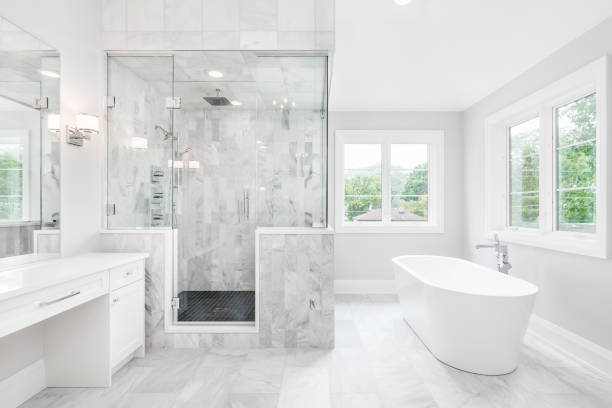
When selecting a new floor, it’s helpful to compare vinyl plank with other popular materials. While ceramic and porcelain tiles are classic choices, they can feel cold and hard underfoot. Natural stone offers a luxurious look but often comes with higher costs and maintenance requirements. Sheet vinyl provides similar water resistance but lacks the realistic texture and appearance of planks.
For those seeking a balance of style, comfort, and practicality, vinyl plank stands out. If you’re interested in exploring more affordable and stylish alternatives, check out this resource on vinyl flooring for bathrooms.
Frequently Asked Questions
Is luxury vinyl plank truly waterproof for bathroom use?
Most high-quality vinyl planks are designed to be waterproof, making them suitable for bathrooms. However, it’s important to check the manufacturer’s specifications and ensure proper installation, especially sealing around edges and fixtures, to prevent water from seeping underneath.
Can vinyl plank flooring be installed over existing tile?
Yes, vinyl planks can often be installed over existing tile if the surface is level, clean, and in good condition. Any loose or damaged tiles should be repaired or removed before installation to ensure a stable base.
How long does vinyl plank flooring last in a bathroom?
With proper care and maintenance, luxury vinyl plank flooring can last 10 to 20 years in a bathroom setting. The lifespan depends on the quality of the product and how well it is maintained.
Does vinyl plank flooring add value to a home?
While it may not add as much value as natural stone or hardwood, a well-installed and maintained vinyl plank floor can enhance the appearance and functionality of a bathroom, which is attractive to many buyers.
What is the best way to clean luxury vinyl plank in bathrooms?
Regular sweeping or vacuuming and damp mopping with a mild cleaner are recommended. Avoid abrasive scrubbers or harsh chemicals, and always dry up excess water promptly.