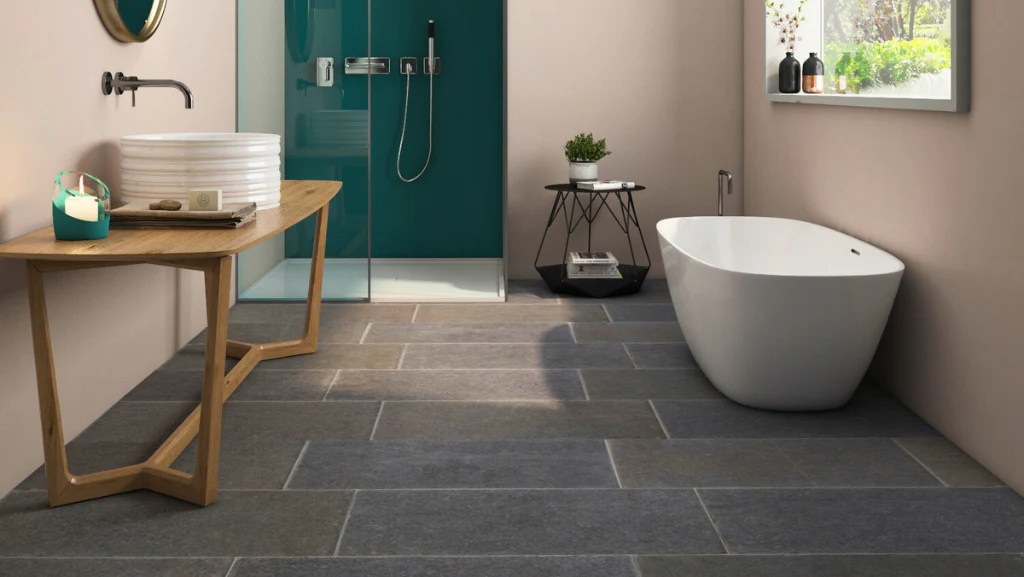
Upgrading your bathroom floor on your own can be a rewarding and cost-effective project, especially for those new to home improvement. With the right approach, even beginners can achieve a professional-looking finish. This guide covers essential advice, practical steps, and common pitfalls to avoid when tackling DIY bathroom flooring projects. Whether you’re considering vinyl planks, tiles, or other materials, understanding the basics will help ensure lasting results and a space you’ll be proud of.
Before diving into the installation process, it’s important to explore the various flooring options available. For those interested in comparing popular choices, our article on tile vs vinyl bathroom flooring provides a detailed breakdown of pros and cons for each material.
Choosing the Right Flooring for Your Bathroom
Selecting the best material is a crucial first step in any DIY bathroom flooring project. Bathrooms are high-moisture areas, so durability and water resistance should be top priorities. Here are some popular options for beginners:
- Vinyl Plank Flooring: Easy to install, budget-friendly, and highly water-resistant. Many homeowners find luxury vinyl plank for bathrooms to be a practical choice.
- Porcelain or Ceramic Tile: Classic and long-lasting, these tiles offer excellent water resistance. For more on the benefits and styles, see our guide to porcelain tile bathroom floor and ceramic tile bathroom floor options.
- Peel-and-Stick Tiles: A beginner-friendly solution, these tiles are simple to apply and require minimal tools.
When choosing your material, consider your budget, the look you want to achieve, and your comfort level with installation. Also, keep in mind the latest bathroom floor trends if you’re aiming for a modern update.
Essential Tools and Preparation Steps
Preparation is key to a successful flooring project. Before you begin, gather the necessary tools and materials:
- Measuring tape and pencil
- Utility knife or tile cutter
- Level and straightedge
- Adhesive (for tiles) or underlayment (for vinyl planks)
- Safety gear: gloves, knee pads, and eye protection
Start by removing any old flooring and thoroughly cleaning the subfloor. Ensure the surface is dry, level, and free of debris. If the subfloor is uneven, use a leveling compound to create a smooth base. Taking the time to prep properly will help prevent issues like uneven tiles or gaps.
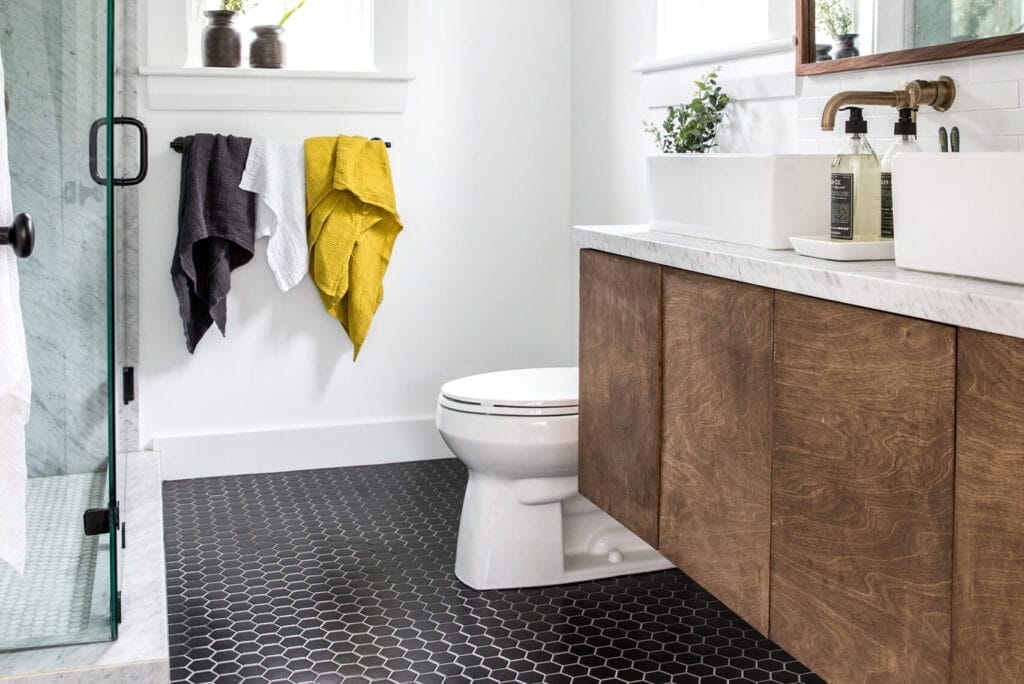
Step-by-Step Guide to Installing DIY Bathroom Flooring
Once your materials and tools are ready, follow these steps for a smooth installation:
- Measure and Plan: Carefully measure your bathroom and plan your layout. Dry-fit your planks or tiles to ensure a good fit and minimize waste.
- Cut to Size: Use a utility knife for vinyl or a tile cutter for ceramic and porcelain. Always wear safety gear when cutting materials.
- Lay the First Row: Start along the longest, straightest wall. For tiles, use spacers to maintain even grout lines. For vinyl, ensure the planks are tightly locked together.
- Continue Laying: Work your way across the room, staggering seams for a natural look. Check for levelness as you go.
- Secure Edges and Finish: For tiles, apply grout and wipe away excess. For vinyl, press down firmly and use a roller if available. Reinstall baseboards and trim as needed.
Take your time with each step, especially around fixtures and corners. Precision here will make a noticeable difference in the final appearance.
Common Mistakes to Avoid in Bathroom Flooring Projects
Even simple projects can go awry without careful attention. Here are some frequent errors beginners make when installing DIY bathroom flooring and how to avoid them:
- Skipping Subfloor Prep: Failing to clean and level the subfloor can result in uneven surfaces or loose tiles.
- Incorrect Measurements: Always double-check measurements before cutting. Mistakes can lead to wasted materials and poor fit.
- Not Allowing for Expansion: Vinyl planks and tiles may expand or contract. Leave a small gap at the edges to prevent buckling.
- Using the Wrong Adhesive: Make sure to use adhesives designed for bathrooms and your chosen flooring type.
- Neglecting Moisture Barriers: In high-moisture areas, a moisture barrier or waterproof underlayment is essential to prevent damage.
By being mindful of these potential pitfalls, you’ll set yourself up for a more successful and durable installation.
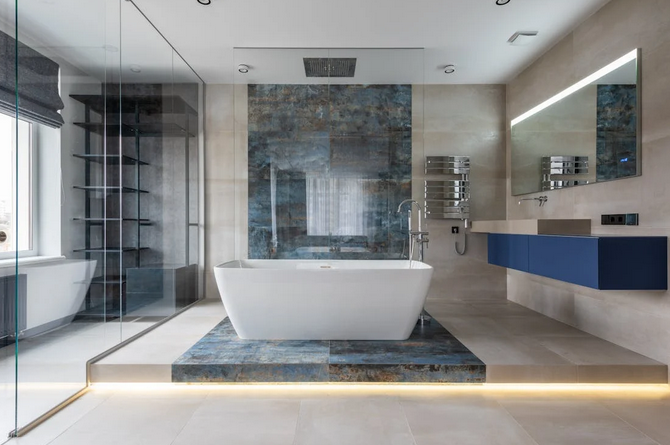
Finishing Touches and Maintenance Tips
After your new floor is installed, a few finishing steps will help protect your work and keep it looking great:
- Seal Grout Lines: If you’ve installed tile, apply a grout sealer to prevent staining and moisture penetration.
- Install Transition Strips: Where your bathroom floor meets other flooring types, use transition strips for a clean, safe edge.
- Regular Cleaning: Sweep and mop regularly with products suitable for your flooring type. Avoid harsh chemicals that can damage finishes.
- Check for Leaks: Periodically inspect around toilets, tubs, and sinks for signs of water damage or leaks.
With proper care, your DIY bathroom flooring can last for years and maintain its fresh appearance. For those working with smaller spaces, this guide to small bathroom flooring offers additional tips on maximizing both style and function.
Frequently Asked Questions
What is the easiest bathroom flooring for beginners to install?
Peel-and-stick vinyl tiles and floating vinyl plank flooring are among the simplest options for first-time DIYers. They require minimal tools and can often be installed directly over existing floors if the surface is flat and clean.
How do I make sure my bathroom floor is waterproof?
Choose water-resistant materials such as vinyl planks, porcelain, or ceramic tiles. Use a waterproof underlayment or moisture barrier, and seal all seams and edges carefully, especially around fixtures.
Can I install new flooring over old tiles?
In many cases, yes—if the existing tiles are secure, clean, and level. Floating vinyl planks or peel-and-stick tiles can often be placed directly over old tile floors, saving time and effort on demolition.