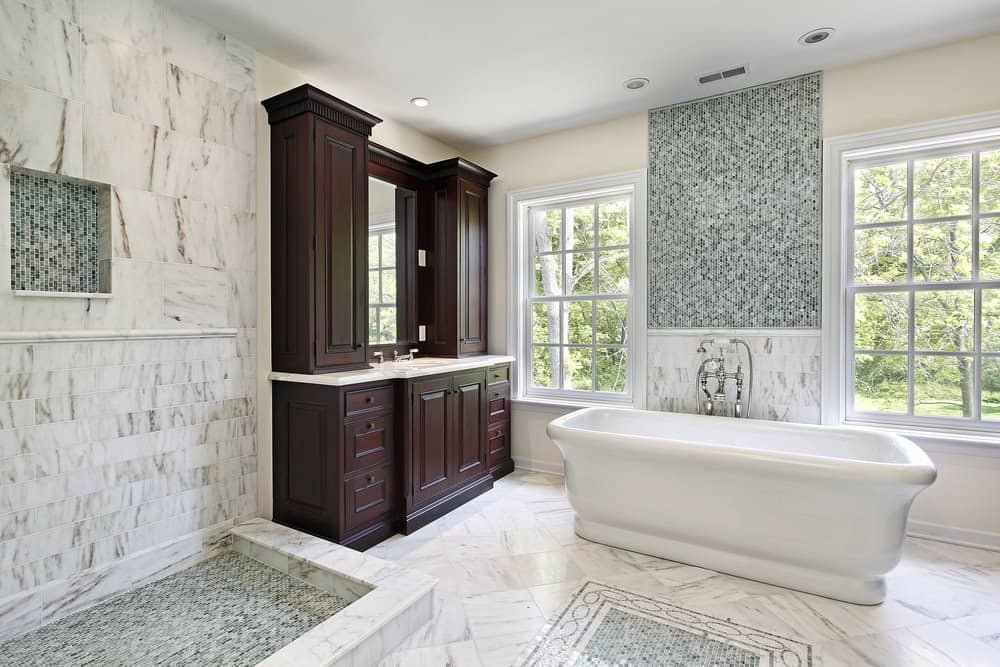
Creating a seamless flow between a shower and the rest of the bathroom floor is a popular trend in modern bathroom design. A curbless shower bathroom floor transition not only enhances accessibility but also delivers a clean, contemporary look. Whether you’re renovating for style, safety, or convenience, understanding how to properly transition from a curbless shower to the main bathroom floor is essential for both function and aesthetics.
This guide covers the essentials of designing, planning, and installing a smooth transition between your shower and bathroom floor. We’ll explore material choices, waterproofing, slope requirements, and practical tips to help you achieve a durable and attractive result. For those prioritizing safety, consider reading about slip resistant bathroom tile options as well.
Why Choose a Barrier-Free Shower Entrance?
The move toward curbless shower bathroom floor transition designs is driven by both style and practicality. These transitions eliminate the raised threshold, making it easier for everyone—including those with mobility challenges—to enter and exit the shower safely. The absence of a curb also simplifies cleaning and reduces the risk of tripping.
- Accessibility: Ideal for universal design and aging-in-place renovations.
- Modern Aesthetics: Creates a streamlined, open appearance.
- Easy Maintenance: Fewer edges and seams mean less grime buildup.
- Flexible Layouts: Allows for creative tile patterns and continuous flooring.
Planning the Perfect Shower-to-Floor Transition
Achieving a flawless transition requires careful planning. The main considerations include waterproofing, drainage, slope, and the choice of flooring materials. Each factor plays a crucial role in preventing water damage and ensuring a visually pleasing result.
Waterproofing and Drainage Essentials
Proper waterproofing is the foundation of any successful curbless shower installation. The shower area must be fully sealed to prevent leaks, with a continuous waterproof membrane extending beyond the shower zone. Drainage is equally important: the floor should slope gently toward the drain to direct water away efficiently.
- Use a high-quality waterproof membrane beneath all tile or flooring surfaces.
- Ensure the floor slopes at least 1/4 inch per foot toward the shower drain.
- Consider linear drains for a sleek look and easier installation of large-format tiles.
Material Choices for Seamless Transitions
Selecting the right materials is key for both safety and style. Popular options include porcelain or ceramic tile, natural stone, and luxury vinyl planks. Each material offers unique benefits in terms of slip resistance, durability, and appearance.
For more information on selecting the best flooring, see this comprehensive bathroom flooring buying guide.
Techniques for a Smooth Curbless Transition
There are several ways to create a visually appealing and functional transition between the shower and bathroom floor. The method you choose will depend on your layout, materials, and personal preferences.
Continuous Flooring Approach
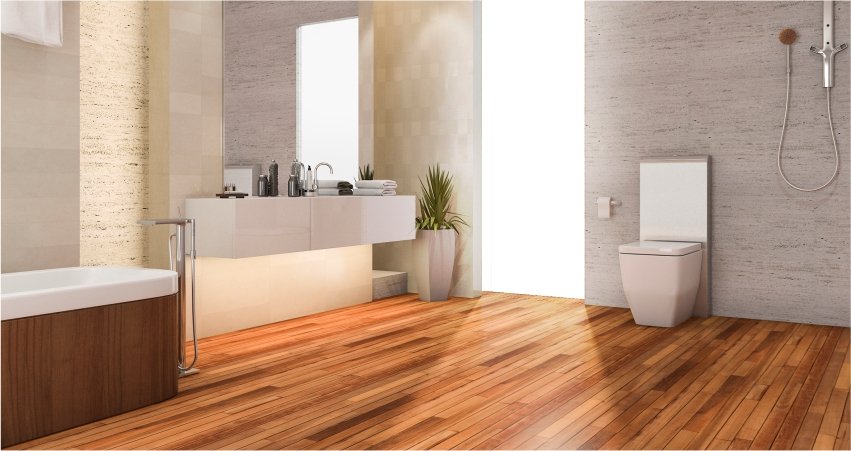
Using the same flooring material throughout the bathroom and shower area is the most seamless option. This approach works best with water-resistant materials such as porcelain tile or luxury vinyl. The floor is sloped only in the shower zone, while the rest of the bathroom remains level.
Accent Strip or Threshold Detail
Some designs incorporate a subtle accent strip or threshold detail to visually separate the shower from the rest of the space. This can be achieved with a contrasting tile, a narrow stone slab, or a decorative mosaic. The accent not only adds visual interest but can also help contain water within the shower area.
Linear Drain Integration
Linear drains are a popular choice for curbless shower bathroom floor transition projects. They allow for a single-direction slope, making it easier to use large-format tiles and maintain a minimal look. Linear drains are typically installed at the edge of the shower zone, right where the transition occurs.
Best Flooring Options for a Barrier-Free Bathroom
Choosing the right flooring is crucial for safety, durability, and style. Here are some top options for a smooth, water-resistant transition:
- Porcelain or Ceramic Tile: Highly water-resistant, available in many styles, and suitable for both shower and main floor.
- Natural Stone: Offers a luxurious look but requires sealing for moisture protection.
- Luxury Vinyl Plank: Easy to install, warm underfoot, and available in wood or stone looks.
- Water-Resistant Laminate: Modern options are suitable for bathrooms; learn more about water resistant laminate for bathroom installations.
When selecting materials, prioritize slip resistance and ease of maintenance. For homes with children or pets, explore child friendly bathroom flooring and pet friendly bathroom flooring for additional safety and durability.
Installation Tips for a Lasting, Safe Transition
Proper installation is vital for a successful curbless shower entry. Here are some practical tips:
- Plan the Slope: Ensure the shower floor slopes toward the drain without creating an uneven surface in the main bathroom.
- Use Quality Waterproofing: Apply a continuous membrane under all wet areas.
- Choose Slip-Resistant Surfaces: Especially important for safety in wet environments.
- Allow for Expansion: Use flexible grout or caulk at the transition to accommodate movement.
- Test Drainage: Before finalizing the floor, pour water to check for proper flow and adjust as needed.
For long-term performance, select materials with proven bathroom flooring durability and follow manufacturer guidelines for installation and care.
Frequently Asked Questions
What is the ideal slope for a curbless shower floor?
The recommended slope is at least 1/4 inch per foot toward the drain. This ensures efficient water drainage and prevents pooling, which is especially important in a barrier-free design.
Can I use the same tile throughout the bathroom and shower?
Yes, using the same tile creates a seamless appearance and simplifies cleaning. Just make sure the tile is rated for wet areas and provides adequate slip resistance.
How do I prevent water from escaping the shower area?
Proper floor slope, high-quality waterproofing, and strategic placement of drains are key. Some homeowners also use a subtle accent strip or a linear drain at the shower edge to help contain water.
Are curbless showers suitable for small bathrooms?
Absolutely. In fact, removing the curb can make a small bathroom feel larger and more open. Careful planning of drainage and waterproofing is essential for success in compact spaces.