
Selecting the right grout for your bathroom floor is a crucial step in achieving a durable, attractive, and easy-to-maintain surface. The type and color of grout you choose can impact not only the appearance of your tiles but also their longevity and resistance to moisture. With so many options available, making an informed decision can feel overwhelming. This guide breaks down the key factors to consider, offers expert recommendations, and helps you avoid common pitfalls when picking grout for bathroom flooring projects.
Whether you’re renovating an existing space or installing new tiles, understanding the different grout types, their benefits, and how they interact with various tile materials will ensure a successful outcome. For those tackling repairs or upgrades, the bathroom floor repair guide provides additional insights into maintaining your surfaces over time.
Understanding Grout Types for Bathroom Flooring
When choosing grout for bathroom floor installations, it’s important to understand the main types available. Each variety has unique properties suited to different needs:
- Cementitious Grout: The most common choice, made from a mix of cement, water, and sometimes sand. It is affordable and easy to apply, but requires sealing to resist moisture and stains.
- Epoxy Grout: Highly durable, stain-resistant, and waterproof. Epoxy is ideal for wet environments like bathrooms, but it’s more expensive and can be trickier to work with for beginners.
- Furan Grout: Used mainly in industrial settings due to its chemical resistance. Rarely needed for residential bathrooms.
- Premixed Grout: Convenient and easy to use, these products are often ready for application straight from the container. They work well for small DIY projects.
For most home bathrooms, cement-based or epoxy grouts are the top contenders. Epoxy offers superior water protection, while cementitious grout is budget-friendly and widely available.
Factors to Consider When Selecting Grout
The best grout for your bathroom floor depends on several factors. Here’s what to keep in mind:
- Tile Material: Porcelain, ceramic, and natural stone tiles each interact differently with grout. For example, natural stone may require non-sanded grout to avoid scratching.
- Grout Joint Width: Wider joints (over 1/8 inch) typically use sanded grout for strength, while narrow joints need unsanded or epoxy grout.
- Moisture Resistance: Bathrooms are high-moisture areas. Epoxy grout provides the best defense against water, but properly sealed cementitious grout can also perform well.
- Maintenance: Lighter-colored grout shows stains more easily and may require more frequent cleaning or sealing.
- Budget: Cement-based grout is less expensive, but epoxy’s durability may save money in the long run by reducing repairs.
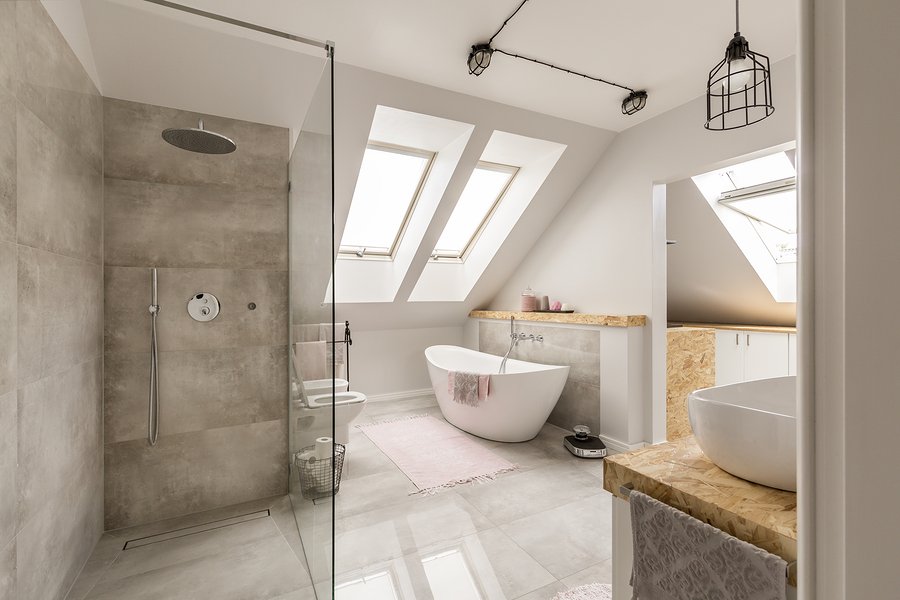
Color Choices and Visual Impact
The color of your grout can dramatically change the look of your bathroom floor. Here are some tips for making the right choice:
- Matching Grout: Using a grout color similar to your tile creates a seamless, unified appearance that can make small bathrooms feel larger.
- Contrasting Grout: A bold, contrasting color highlights the pattern of your tiles and adds visual interest. Dark grout with light tiles, or vice versa, can create a striking effect.
- Neutral Tones: Grays, beiges, and off-whites are versatile and tend to hide dirt better than pure white.
Keep in mind that grout color may darken slightly as it cures, and regular cleaning is essential to maintain its appearance. For more creative ideas, check out budget bathroom flooring ideas for inspiration on pairing tile and grout colors.
Installation and Maintenance Tips
Proper installation is just as important as selecting the right grout. Here are some best practices:
- Mix Grout Thoroughly: Follow manufacturer instructions to achieve the correct consistency and color.
- Apply Evenly: Use a rubber float to press grout into joints, holding the float at a 45-degree angle.
- Clean Excess Promptly: Wipe away extra grout from the tile surface before it dries, using a damp sponge.
- Seal if Necessary: Most cement-based grouts need sealing to prevent stains and water infiltration. Epoxy grouts typically do not require sealing.
- Regular Cleaning: Use a pH-neutral cleaner and avoid harsh chemicals to protect both grout and tiles.
For those new to tiling, the DIY bathroom flooring resource offers step-by-step guidance on installation and care.
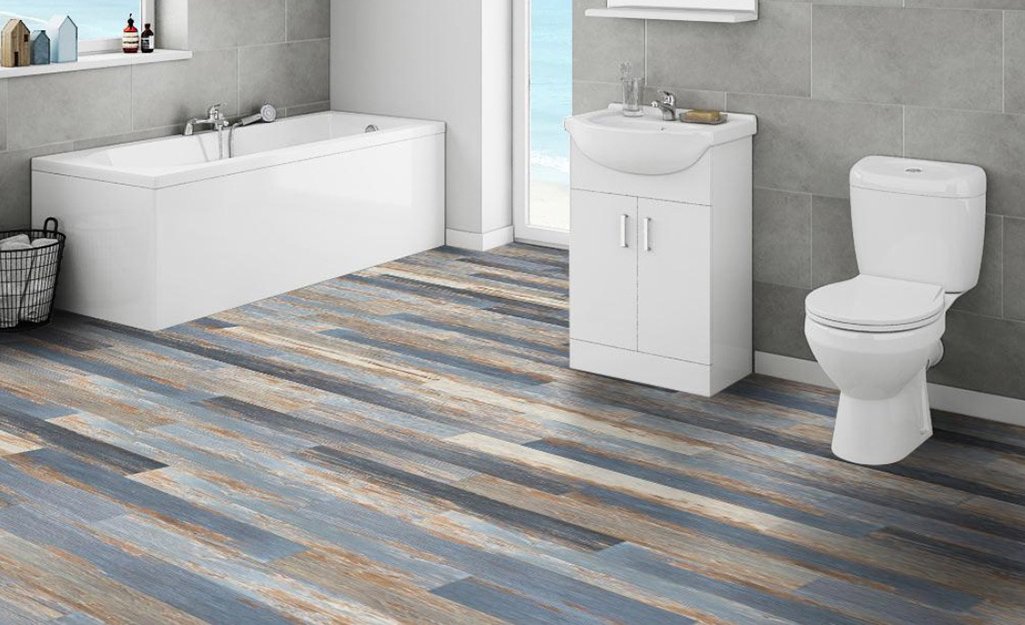
Common Mistakes to Avoid When Picking Grout
Even experienced DIYers can make errors when selecting or applying grout. Here are some pitfalls to watch out for:
- Ignoring Manufacturer Recommendations: Always check the tile and grout packaging for compatibility and usage guidelines.
- Skipping the Sealer: Failing to seal cement-based grout can lead to stains, mold, and water damage.
- Choosing the Wrong Color: Test a small area before committing, as grout color can look different once dry.
- Improper Mixing: Too much or too little water can weaken grout and cause cracking.
- Not Cleaning Residue: Dried grout haze can be difficult to remove from tiles if not wiped promptly.
For more advice on installation, see the bathroom floor installation tips article, which covers common challenges and solutions.
Expert Recommendations for Best Results
To achieve a long-lasting and visually appealing bathroom floor, consider these expert tips:
- Opt for Epoxy Grout in High-Moisture Areas: Its resistance to water and stains makes it ideal for showers and wet rooms.
- Choose Sanded Grout for Larger Joints: For grout lines wider than 1/8 inch, sanded grout provides added strength.
- Seal Regularly: Even if your grout is initially sealed, periodic resealing helps maintain protection.
- Coordinate with Tile Style: Select a grout color that complements your tile and overall bathroom design.
- Consult Professional Resources: For more in-depth advice, resources like this comprehensive bathroom flooring guide offer valuable insights into material selection and care.
If you’re working with a compact space, the best flooring for small bathrooms guide provides additional recommendations tailored to maximizing both style and function.
Frequently Asked Questions
What is the most water-resistant grout for bathroom floors?
Epoxy grout is the most water-resistant option available. It forms a non-porous barrier that prevents moisture from seeping through, making it ideal for wet areas like bathrooms and showers.
How do I prevent grout from staining or discoloring?
Regularly cleaning your grout with a pH-neutral cleaner and sealing cement-based grout helps prevent stains. Choosing a darker or neutral grout color can also help hide minor discoloration over time.
Can I use the same grout for both floor and wall tiles in the bathroom?
Yes, many grout products are suitable for both floors and walls. However, ensure the grout type matches the joint width and tile material for each application. Sanded grout is typically used for floors with wider joints, while unsanded or epoxy grout works well for walls and narrow joints.
How often should I reseal bathroom floor grout?
Cement-based grout should be resealed every 1–2 years, depending on usage and exposure to moisture. Epoxy grout usually does not require resealing.