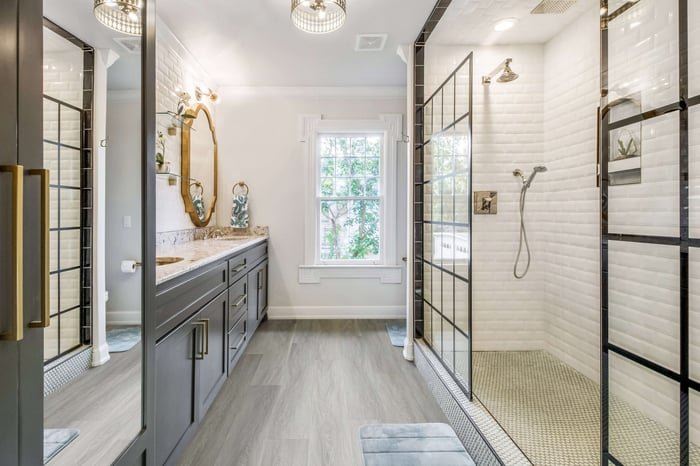
Choosing the best flooring for small bathrooms is more than just a design decision—it’s about maximizing every inch, ensuring durability, and creating a space that feels open and inviting. With limited square footage, the right floor can make a bathroom look larger, resist moisture, and stand up to daily wear. Whether you’re renovating a compact powder room or updating a tiny ensuite, understanding your options is key to making a smart, lasting investment.
In this guide, you’ll find practical advice on selecting compact-friendly flooring, including top materials, design tips, and installation considerations. We’ll also highlight how certain choices can visually expand your space and provide links to more in-depth resources, such as a detailed comparison of tile vs vinyl bathroom flooring for those weighing their options.
Key Considerations for Compact Bathroom Flooring
When space is at a premium, every design choice counts. The ideal flooring for a small bathroom should combine water resistance, ease of maintenance, and a look that enhances the sense of openness. Here are the most important factors to keep in mind:
- Moisture Protection: Bathrooms are high-humidity zones. Choose materials that can handle splashes, steam, and occasional spills without warping or staining.
- Visual Expansion: Lighter colors, larger tiles, and minimal grout lines can make a small room feel bigger and brighter.
- Slip Resistance: Safety is crucial, especially in wet environments. Look for slip-resistant finishes or textures.
- Easy Cleaning: Compact spaces are easier to keep clean, but only if you pick a surface that resists mold and grime.
- Installation Flexibility: Some flooring types are easier to install in tight quarters, saving time and labor costs.
For more inspiration on trending designs and finishes, see the latest bathroom floor trends that work well in smaller spaces.
Top Flooring Choices for Small Bathrooms
Several materials stand out when it comes to optimizing small bathrooms. Each offers unique benefits, so consider your needs, budget, and style preferences before making a decision.
Luxury Vinyl Plank: Durable and Stylish
Luxury vinyl plank for bathrooms has become a favorite for compact spaces. It mimics the look of wood or stone, is highly water-resistant, and feels comfortable underfoot. Modern vinyl options are available in a range of colors and patterns, allowing you to create a seamless, cohesive look even in the smallest rooms.
Vinyl planks are also relatively thin, which means they won’t raise your floor height significantly—a practical advantage in spaces where every millimeter matters. For a detailed breakdown of pros and installation tips, check out this guide on luxury vinyl plank for bathrooms.

Porcelain and Ceramic Tiles: Classic and Versatile
Tile remains a top contender for small bathrooms due to its waterproof nature and design flexibility. Porcelain tile bathroom floor options are especially popular for their durability and resistance to stains. Ceramic tiles offer similar benefits, often at a lower price point, and come in a wide variety of sizes and finishes.
To visually expand your bathroom, consider using larger format tiles or laying them in a diagonal pattern. This reduces grout lines and creates a more seamless appearance. For a closer look at the pros, cons, and care tips, see this resource on ceramic tile bathroom floor solutions.

Sheet Vinyl: Seamless and Budget-Friendly
For those seeking a cost-effective, low-maintenance solution, sheet vinyl is worth considering. Its seamless installation means fewer joints where water can seep through, making it a practical option for small bathrooms. Modern sheet vinyl comes in a variety of patterns, including realistic stone and wood looks, and is soft underfoot.
Installation is straightforward, and because the material is flexible, it can be cut to fit even the most irregularly shaped rooms. This makes it a smart pick for DIY renovators or anyone looking to minimize installation costs.
Design Tips to Maximize Space
Beyond material selection, the way you design and install your flooring can have a significant impact on how spacious your bathroom feels. Here are some strategies to make the most of your compact layout:
- Choose Light Colors: Pale hues reflect more light and visually open up the room.
- Opt for Larger Tiles or Planks: Fewer grout lines create a less cluttered look, which can make the floor appear more expansive.
- Diagonal or Herringbone Patterns: These layouts draw the eye outward, giving the illusion of more space.
- Consistent Flooring: If possible, use the same flooring throughout the bathroom and adjoining areas to create a seamless transition.
- Minimal Transitions: Avoid thresholds or abrupt changes in flooring, as these can visually break up the space.
For more creative ideas, explore this collection of bathroom flooring ideas for small spaces that combine style and practicality.
Installation and Maintenance Considerations
Even the best flooring for compact bathrooms can underperform if not installed and maintained properly. Here are a few practical tips to ensure your new floor stands the test of time:
- Professional Installation: While some materials are DIY-friendly, tight spaces and plumbing fixtures can make installation tricky. Consider hiring a pro for a flawless finish.
- Waterproof Underlayment: Especially important for vinyl and laminate, a quality underlayment adds extra moisture protection.
- Regular Cleaning: Sweep or vacuum frequently to prevent dirt buildup, and mop with a gentle, non-abrasive cleaner.
- Seal Grout Lines: For tile floors, sealing grout helps prevent staining and mold growth.
- Prompt Repairs: Address any chips, cracks, or lifting edges quickly to avoid water damage.
Frequently Asked Questions
What is the most water-resistant flooring for a small bathroom?
Porcelain tile and luxury vinyl plank are both highly water-resistant, making them excellent choices for small bathrooms. Sheet vinyl is also a strong contender due to its seamless installation, which minimizes the risk of water seeping through joints.
How can I make my small bathroom floor look bigger?
Use light-colored flooring, opt for larger tiles or planks, and consider diagonal or herringbone patterns. Keeping grout lines minimal and choosing a consistent floor color throughout the space can also help create the illusion of a larger room.
Is it better to use tile or vinyl in a compact bathroom?
Both tile and vinyl have their advantages. Tile is classic, durable, and comes in many styles, while vinyl is softer underfoot, easier to install, and often more budget-friendly. For a detailed comparison, see this article on tile vs vinyl bathroom flooring.