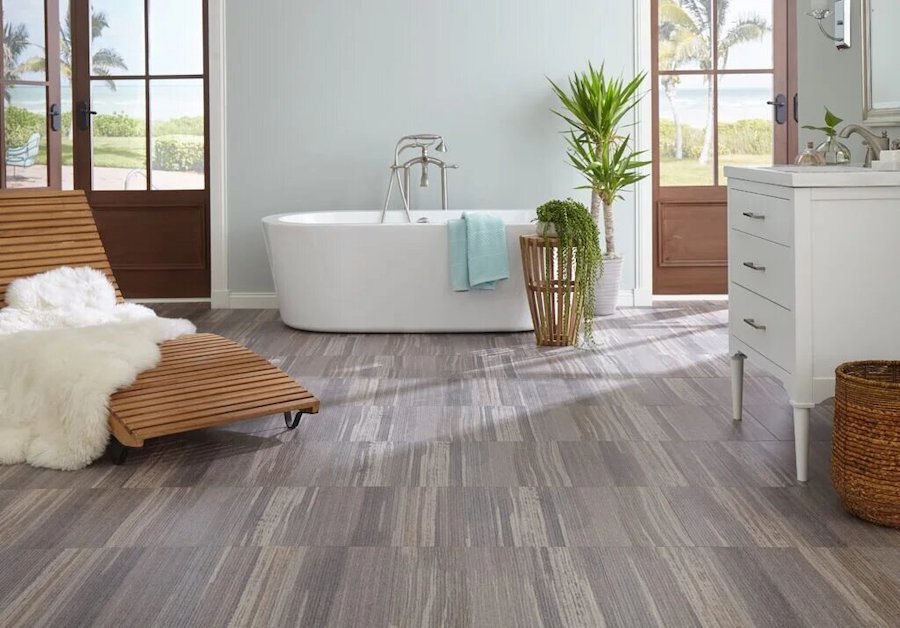
Upgrading your bathroom with bathroom flooring with underfloor heating can transform the space into a comfortable, efficient, and stylish retreat. The right combination of flooring and radiant heat provides a warm surface underfoot, reduces moisture issues, and adds value to your home. However, not all floor types are equally suited for this modern heating solution, and installation requires careful planning to ensure safety and performance.
This guide explains the best flooring materials for use with radiant heating, outlines installation tips, and highlights key considerations for durability, comfort, and maintenance. Whether you’re renovating a master bath or updating a guest powder room, understanding your options will help you make informed decisions for a long-lasting, cozy result.
For those prioritizing safety, consider exploring slip resistant bathroom tile options, which pair well with radiant heating systems and help prevent accidents in wet environments.
Benefits of Heated Bathroom Floors
Integrating radiant heating beneath your bathroom floor offers several advantages beyond just comfort. Here are some of the main benefits:
- Consistent Warmth: Radiant heat provides even warmth across the entire floor, eliminating cold spots and making stepping out of the shower or bath much more pleasant.
- Energy Efficiency: Underfloor heating systems can be more efficient than forced-air heating, as they directly warm the room from the ground up, reducing heat loss.
- Improved Air Quality: Unlike traditional heating, radiant floors do not circulate dust or allergens, making them ideal for allergy sufferers.
- Space Saving: With no need for radiators or vents, you gain more usable space and design flexibility.
- Enhanced Property Value: A bathroom with heated floors is a sought-after feature that can increase your home’s appeal and resale value.
Choosing the Best Flooring for Radiant Heat
Not every flooring material is compatible with underfloor heating. The ideal surface should conduct heat efficiently, resist moisture, and withstand temperature changes. Below are the most popular choices for pairing with radiant systems:
Ceramic and Porcelain Tiles
Ceramic and porcelain tiles are the top choices for bathrooms with radiant heating. They conduct heat efficiently, are waterproof, and come in a wide variety of styles and colors. Tiles are also durable and easy to clean, making them a practical solution for high-moisture areas.
Luxury Vinyl Flooring
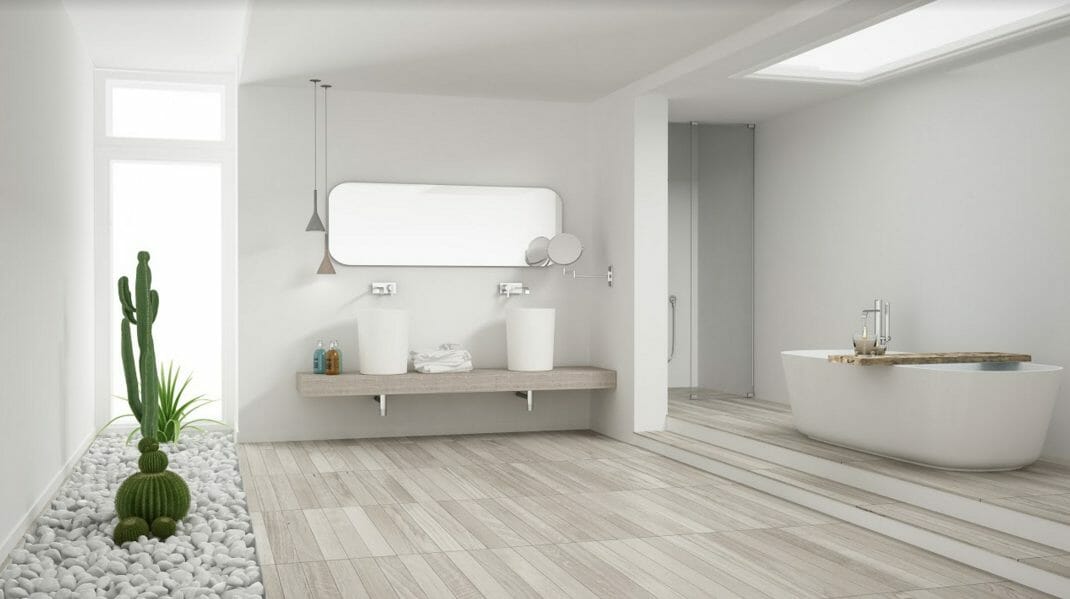
Modern luxury vinyl planks and tiles are compatible with many radiant heating systems. They offer a softer, warmer feel than tile, are waterproof, and come in designs that mimic wood or stone. When choosing vinyl, ensure it is rated for use with underfloor heat and follow manufacturer guidelines for maximum temperature limits.
Natural Stone
Materials like marble, slate, and granite are excellent heat conductors and add a touch of luxury to any bathroom. Stone floors retain warmth well, but they can be more expensive and may require sealing to prevent staining and water absorption.
Engineered Wood
Engineered wood can be used with radiant heating if it’s specifically approved by the manufacturer. It offers a natural look and feels warmer than tile, but it’s crucial to select products designed for moisture-prone environments and compatible with underfloor systems.
For more inspiration on stylish surfaces, check out these bathroom flooring ideas for modern spaces.
Installation Tips for Heated Bathroom Floors
Proper installation is essential for both performance and safety. Here are some key steps and considerations:
- Subfloor Preparation: The subfloor must be clean, level, and dry. Any imperfections can affect heat distribution and flooring stability.
- Insulation: Installing an insulation layer beneath the heating system helps direct warmth upward and improves energy efficiency.
- Heating System Type: Choose between electric mats (easier for small bathrooms) or hydronic systems (better for larger spaces or whole-home integration).
- Thermostat Placement: Position thermostats outside the shower area and at a convenient height for easy access and accurate temperature control.
- Professional Installation: While some electric systems are DIY-friendly, hiring a professional ensures safe wiring, proper waterproofing, and compliance with local codes.
- Flooring Adhesives: Use adhesives and grouts recommended for use with radiant heat to prevent cracking or delamination.
Maintenance and Care
Maintaining your heated bathroom floor is straightforward, but a few best practices will help extend its lifespan:
- Clean floors regularly with non-abrasive, pH-neutral cleaners to avoid damaging the surface or heating elements.
- Check for grout cracks or loose tiles, which can allow moisture to reach the heating system.
- Follow manufacturer guidelines for maximum operating temperatures to prevent warping or discoloration, especially with vinyl or engineered wood.
- Schedule periodic inspections if you notice uneven heating or suspect a malfunction.
Additional Considerations for Heated Bathroom Surfaces
When planning a bathroom renovation with radiant heating, consider these extra factors to ensure the best outcome:
- Moisture Resistance: Bathrooms are high-humidity environments. Select flooring with proven water resistance, and use waterproof membranes where needed.
- Safety: Opt for textured or slip-resistant finishes, especially in wet zones. Learn more about slip resistant bathroom tile to reduce the risk of falls.
- Family Needs: If you have children or pets, look for surfaces that are both durable and comfortable. Explore child friendly bathroom flooring or pet friendly bathroom flooring for tailored solutions.
- Longevity: Some materials last longer than others. For a deeper dive, see this guide on bathroom flooring durability.
- Laminate Options: If you prefer laminate, ensure it’s specifically rated for water resistance and compatible with radiant heating. More information is available in the article on water resistant laminate for bathroom.
Frequently Asked Questions
Which bathroom flooring materials work best with underfloor heating?
Tile (ceramic or porcelain), natural stone, and luxury vinyl are the most effective choices. These materials conduct heat efficiently and withstand the temperature changes associated with radiant systems. Always check manufacturer recommendations to ensure compatibility.
Is it expensive to install radiant heating under bathroom floors?
Costs vary depending on the system type (electric or hydronic), bathroom size, and chosen flooring. Electric mats are generally more affordable for small spaces, while hydronic systems have higher upfront costs but may be more economical for larger areas or whole-home use. Factor in professional installation for safety and warranty coverage.
Can I install heated flooring myself?
Some electric radiant heat mats are designed for DIY installation, but working with electricity and waterproofing in a bathroom can be complex. Hiring a professional ensures the system is installed safely, meets local codes, and performs as intended.
How do I maintain heated bathroom floors?
Regular cleaning with gentle products, prompt repair of grout or tile issues, and adherence to manufacturer temperature guidelines will keep your system running smoothly. Schedule professional inspections if you notice uneven heating or suspect a problem.