Choosing the right surface for your bathroom is a decision that impacts not only the look but also the functionality and durability of the space. With so many materials available, understanding the bathroom flooring pros and cons for each option is essential to making an informed choice. Whether you’re renovating a master bath, updating a powder room, or working on a budget-friendly refresh, this guide breaks down the strengths and weaknesses of popular flooring types to help you select the best fit for your needs.
From classic ceramic tiles to modern vinyl planks, each material offers unique benefits and potential drawbacks. Factors like water resistance, maintenance, comfort, and cost all play a role. If you’re also considering repairs or want to explore creative, cost-effective ideas, you might find the Bathroom floor repair guide and budget bathroom flooring ideas helpful as well.
Understanding the Basics: What to Consider in Bathroom Flooring
Before diving into specific materials, it’s important to know what makes a surface suitable for bathrooms. The most critical factors include:
- Water resistance: Bathrooms are high-moisture environments, so the floor must withstand splashes and humidity.
- Slip resistance: Safety is key, especially in wet areas. Some materials offer better traction than others.
- Durability: The floor should resist stains, scratches, and wear from daily use.
- Maintenance: Consider how easy it is to clean and maintain the surface over time.
- Comfort: Some options feel warmer and softer underfoot, which can be a plus in bathrooms.
- Cost: Budget plays a role, with some materials offering a better balance of price and performance.
Let’s look at the most popular options and weigh their advantages and disadvantages.
Ceramic and Porcelain Tile: Classic Choices
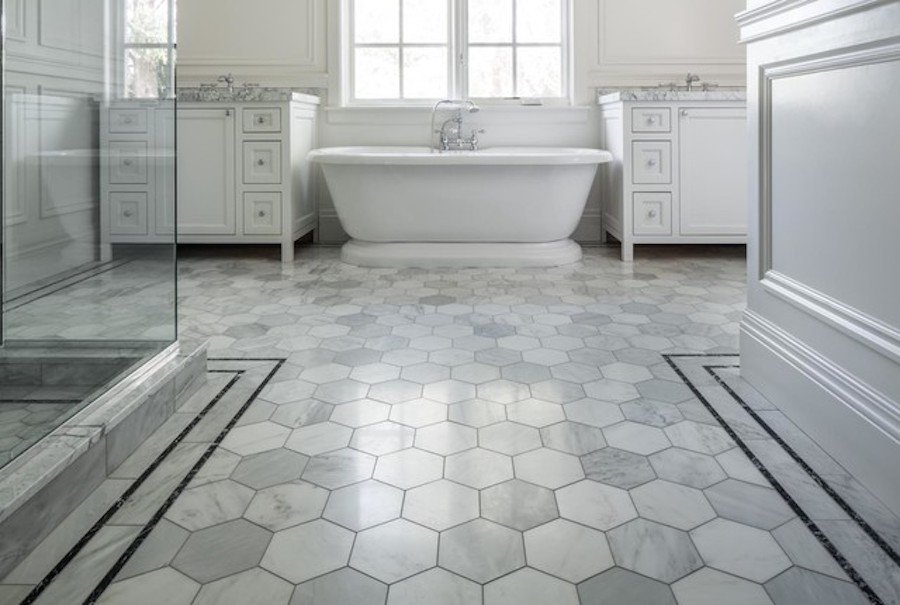
Tile flooring is a staple in bathrooms for good reason. Both ceramic and porcelain tiles are made from clay, but porcelain is denser and less porous, making it slightly more water-resistant.
- Advantages:
- Highly water-resistant and easy to clean
- Available in a wide range of colors, shapes, and patterns
- Durable and long-lasting
- Resistant to stains and scratches
- Drawbacks:
- Can be cold and hard underfoot
- Slippery when wet unless a textured tile is chosen
- Grout lines require regular cleaning and sealing
- Installation can be labor-intensive and costly
If you’re considering a DIY approach, check out these DIY bathroom flooring tips for beginners to help with installation and maintenance.
Vinyl Flooring: Versatile and Budget-Friendly
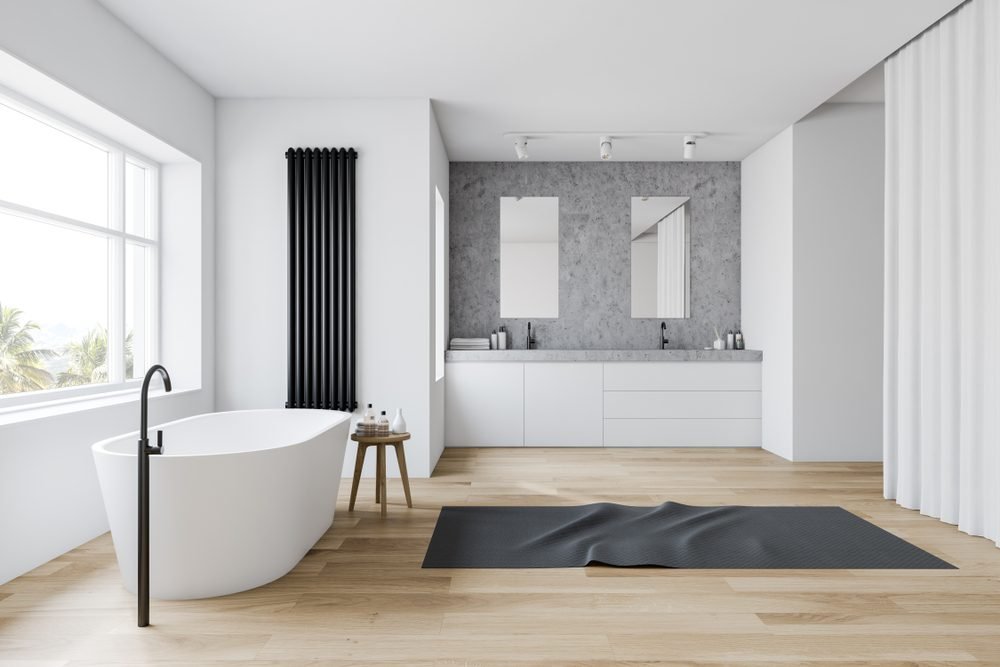
Vinyl has become a leading choice for bathrooms, especially with the rise of luxury vinyl planks (LVP) and tiles (LVT). These products mimic the look of wood or stone at a fraction of the cost.
- Advantages:
- Excellent water resistance, ideal for bathrooms
- Soft and warm underfoot compared to tile
- Easy to install, with peel-and-stick or click-lock options
- Affordable and available in many styles
- Low maintenance and easy to clean
- Drawbacks:
- Can be punctured by sharp objects
- May fade or discolor over time, especially with direct sunlight
- Lower-end products can look less realistic
- Subfloor must be perfectly smooth for best results
For more inspiration on affordable surfaces that look high-end, see these budget bathroom flooring ideas.
Natural Stone: Elegant but Demanding
Stone floors, such as marble, granite, or slate, bring a luxurious and timeless appeal to bathrooms. However, they require careful consideration due to their unique properties.
- Advantages:
- Unmatched natural beauty and unique patterns
- Durable and long-lasting with proper care
- Increases home value and appeal
- Drawbacks:
- Porous stones require sealing to prevent stains and water damage
- Can be slippery and cold underfoot
- More expensive than other materials
- Professional installation is usually necessary
Stone can be a great fit for spacious or luxury bathrooms, but maintenance is key to longevity.
Engineered Wood and Laminate: Warmth with Caution
Wood-look surfaces add warmth and character, but bathrooms pose challenges due to moisture. Engineered wood is more stable than solid hardwood, while laminate offers a budget-friendly alternative.
- Advantages:
- Attractive, natural appearance
- Engineered wood resists warping better than solid wood
- Laminate is affordable and easy to install
- Drawbacks:
- Both are vulnerable to water damage if not properly sealed
- Standing water can cause swelling or warping
- Laminate can feel less authentic underfoot
- Not recommended for bathrooms with frequent splashes
If you love the look of wood but want better moisture protection, consider high-quality vinyl planks designed for wet areas.
Sheet Linoleum: Eco-Friendly and Resilient
Linoleum, made from natural materials like linseed oil and cork powder, is an environmentally friendly option that’s regaining popularity. Sheet linoleum is best for bathrooms, as it minimizes seams where water can seep through.
- Advantages:
- Renewable and biodegradable
- Resistant to water when installed as a sheet
- Comfortable underfoot and available in vibrant colors
- Antimicrobial properties
- Drawbacks:
- Requires professional installation for best water resistance
- Can be dented or scratched by heavy objects
- Less common, so fewer style options than vinyl or tile
Linoleum can be a smart choice for eco-conscious homeowners who value comfort and easy maintenance.
Comparing Popular Bathroom Surfaces
Here’s a quick comparison of the most common materials and their key features:
| Material | Water Resistance | Comfort | Maintenance | Cost |
|---|---|---|---|---|
| Porcelain/Ceramic Tile | Excellent | Low | Moderate | $$ |
| Vinyl (LVP/LVT) | Excellent | High | Low | $ |
| Natural Stone | Good (with sealing) | Low | High | $$$ |
| Engineered Wood | Fair | High | Moderate | $$ |
| Sheet Linoleum | Good | High | Low | $$ |
For more detailed advice on installation, see these bathroom floor installation tips to ensure a smooth, long-lasting result.
Design and Style Considerations
Beyond practical aspects, the appearance of your bathroom floor sets the tone for the entire space. Tiles offer endless design possibilities, from classic subway patterns to intricate mosaics. Vinyl and laminate can replicate wood, stone, or even bold geometric prints. Natural stone delivers a unique, organic look, while linoleum brings color and retro charm.

If you’re working with a compact space, explore the best flooring for small bathrooms for ideas that maximize both style and practicality.
Expert Tips for Choosing the Right Bathroom Floor
- Prioritize water resistance and slip safety for family bathrooms.
- Balance aesthetics with maintenance needs—glossy tiles may show water spots, while textured surfaces hide them.
- Consider radiant heating under tile or stone for added comfort.
- Factor in installation costs and whether you plan to DIY or hire a professional.
- Always check manufacturer recommendations for bathroom suitability, especially with wood or laminate products.
For more inspiration and to see real-life examples, browse this gallery of bathroom flooring ideas from a leading design brand.
Frequently Asked Questions
What is the most water-resistant bathroom floor option?
Porcelain and ceramic tiles as well as luxury vinyl planks are among the most water-resistant choices. Sheet vinyl and properly installed linoleum also perform well in wet environments.
Can I use hardwood in a bathroom?
Solid hardwood is not recommended due to moisture concerns. Engineered wood offers better stability, but still requires careful sealing and maintenance. For a wood look with fewer risks, opt for high-quality vinyl planks.
How do I prevent slips on bathroom floors?
Choose materials with textured surfaces or add non-slip mats and rugs. Many tiles are available with slip-resistant finishes specifically designed for wet areas.
What is the easiest bathroom floor to install?
Peel-and-stick vinyl tiles and planks are among the simplest for DIY installation. Laminate and some floating vinyl floors also offer straightforward installation for beginners.