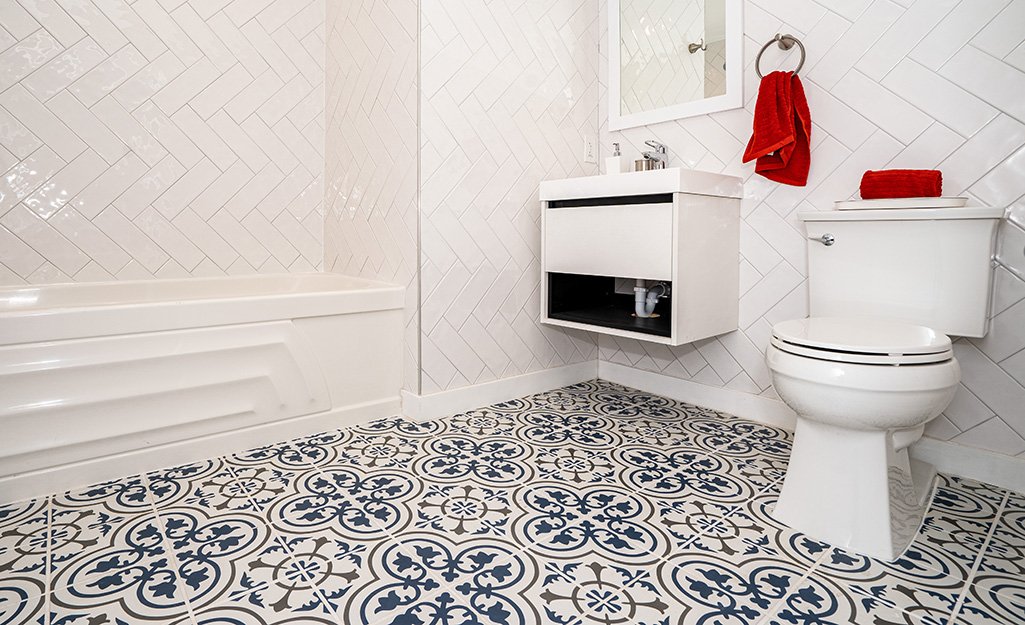
Choosing the right surface for your bathroom floor is about more than just style—it’s about finding a material that stands up to daily moisture, heavy foot traffic, and the occasional spill. Bathroom flooring durability is a top concern for homeowners who want a long-lasting investment that looks good and performs well over time. With so many options available, it can be challenging to know which materials truly offer the best longevity and resistance to wear.
In this guide, we’ll break down the most popular types of bathroom floors, compare their strengths and weaknesses, and help you understand what makes some surfaces outlast others. Whether you’re renovating a master bath or updating a powder room, understanding the key factors behind resilient bathroom floors will help you make a smart, informed choice.
For those tackling common issues like cracks or water damage, the Bathroom floor repair guide offers practical solutions to extend the life of your surfaces.
Key Factors That Impact Bathroom Floor Longevity
Not all floors are created equal, especially in a space that sees as much moisture and activity as the bathroom. Here are the main elements that influence how well your floor will hold up:
- Water Resistance: The ability to repel water is crucial. Floors that absorb moisture can warp, stain, or develop mold.
- Scratch and Dent Resistance: Bathrooms often see dropped items and moving furniture. Harder surfaces resist damage better.
- Stain Resistance: Makeup, soaps, and cleaning products can leave marks. Some materials are easier to clean than others.
- Slip Resistance: Safety matters, especially in wet environments. Textured or matte finishes can reduce slips.
- Maintenance Needs: Some floors require regular sealing or special cleaners, while others are low-maintenance.
- Installation Quality: Even the best material can fail if not installed correctly. Proper sealing and underlayment are essential.
Comparing the Most Durable Bathroom Flooring Materials
When evaluating durable bathroom flooring options, it’s important to weigh both the material’s natural properties and how it performs in real-world conditions. Below, you’ll find a breakdown of the most common choices, along with their pros and cons.
Porcelain and Ceramic Tile: The Classic Choice
Porcelain and ceramic tiles are among the most popular picks for bathrooms, and for good reason. These materials are fired at high temperatures, making them extremely hard and resistant to water. Porcelain, in particular, is denser and less porous than standard ceramic, offering even better moisture protection.
- Pros: Highly water-resistant, easy to clean, available in endless styles, and resists scratches and stains.
- Cons: Can be cold and hard underfoot, grout lines may require periodic sealing, and installation is labor-intensive.
Luxury Vinyl Plank (LVP) and Vinyl Tile: Modern Resilience
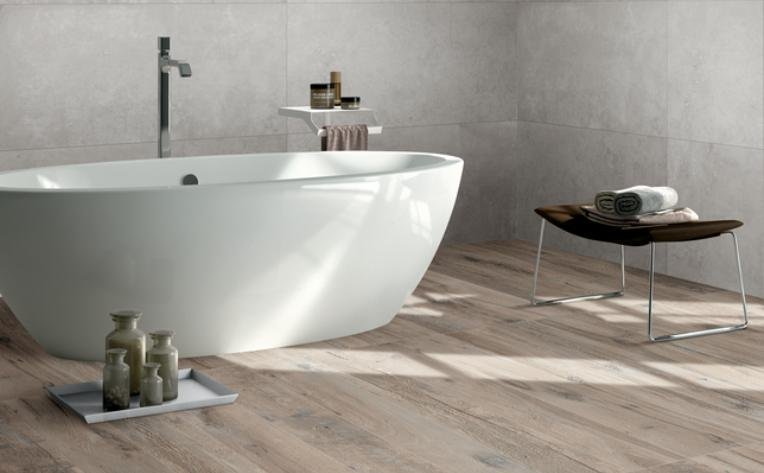
Vinyl flooring has come a long way in recent years. Luxury vinyl plank (LVP) and vinyl tile are engineered to mimic the look of wood or stone while offering outstanding moisture resistance. These products are made from multiple layers, including a tough wear layer that protects against scratches and stains.
- Pros: 100% waterproof, softer and warmer than tile, easy to install (even DIY), and budget-friendly.
- Cons: Can be dented by heavy objects, lower-quality products may fade or peel over time.
Natural Stone: Timeless Beauty with Proper Care
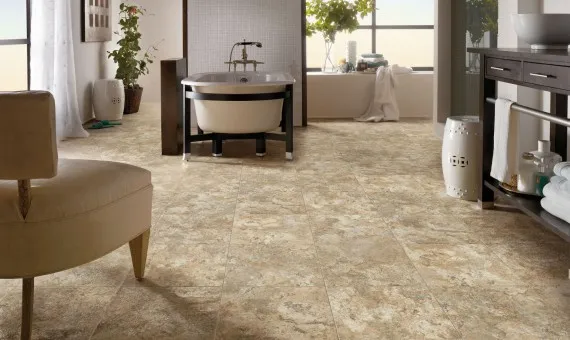
Stone floors—such as slate, marble, or granite—offer unmatched elegance and can last for decades if maintained properly. However, not all stone is equally suited to wet environments. Denser stones like granite and slate perform better in bathrooms, while softer stones may stain or etch.
- Pros: Extremely durable, unique appearance, adds value to your home.
- Cons: Can be slippery when wet, requires regular sealing, and is often more expensive to install and maintain.
Engineered Wood and Laminate: Warmth with Caution
While real hardwood is generally not recommended for bathrooms due to moisture concerns, engineered wood and high-quality laminate can be used with care. These products are designed with a water-resistant core and a protective top layer, but standing water can still cause damage over time.
- Pros: Warmer and softer underfoot, attractive wood look, easier installation than tile or stone.
- Cons: Not fully waterproof, may swell or warp if exposed to excessive moisture, and requires careful cleaning.
How to Maximize the Lifespan of Your Bathroom Floor
Even the most resilient floor needs proper care to reach its full potential. Here are some practical tips to help your bathroom surface last as long as possible:
- Wipe up spills and standing water promptly to prevent seepage.
- Use bath mats in high-traffic and splash-prone areas.
- Seal grout lines and stone surfaces as recommended by the manufacturer.
- Clean with pH-neutral products designed for your specific floor type.
- Address minor repairs quickly—see our Bathroom floor repair guide for step-by-step solutions.
- Follow installation best practices—our Bathroom floor installation tips can help ensure a watertight finish.
Other Considerations When Choosing a Long-Lasting Bathroom Floor
While durability is a major factor, it’s not the only thing to keep in mind. Consider the following when selecting your new bathroom surface:
- Budget: Some of the toughest materials, like natural stone, come with a higher price tag. Vinyl and ceramic tile offer a balance of cost and performance.
- Style: The look and feel of your floor should complement your overall design. Explore creative options in our budget bathroom flooring ideas for inspiration.
- DIY Potential: Some products, like LVP and certain tiles, are suitable for do-it-yourselfers. If you’re new to flooring projects, our DIY bathroom flooring guide can help you get started.
- Room Size: Smaller spaces may benefit from lighter colors or larger tiles, as discussed in our best flooring for small bathrooms article.
- Trends and Longevity: For the latest ideas and expert advice, see this comprehensive roundup of bathroom flooring ideas.
Frequently Asked Questions
Which bathroom floor material lasts the longest?
Porcelain tile is widely regarded as one of the most durable options for bathrooms. It is highly resistant to water, scratches, and stains, and can last for decades with proper care. Luxury vinyl plank is also a strong contender for longevity, especially in moisture-prone spaces.
Is vinyl flooring a good choice for bathrooms?
Yes, modern vinyl flooring—especially luxury vinyl plank and tile—is an excellent choice for bathrooms. It’s 100% waterproof, comfortable underfoot, and available in a wide range of styles. Just be sure to choose a high-quality product and follow installation guidelines for the best results.
How can I make my bathroom floor last longer?
Regular maintenance is key. Clean up water spills quickly, use bath mats, and avoid harsh chemicals that could damage the surface. For tile and stone, reseal grout and surfaces as needed. Address repairs promptly to prevent small issues from becoming major problems.