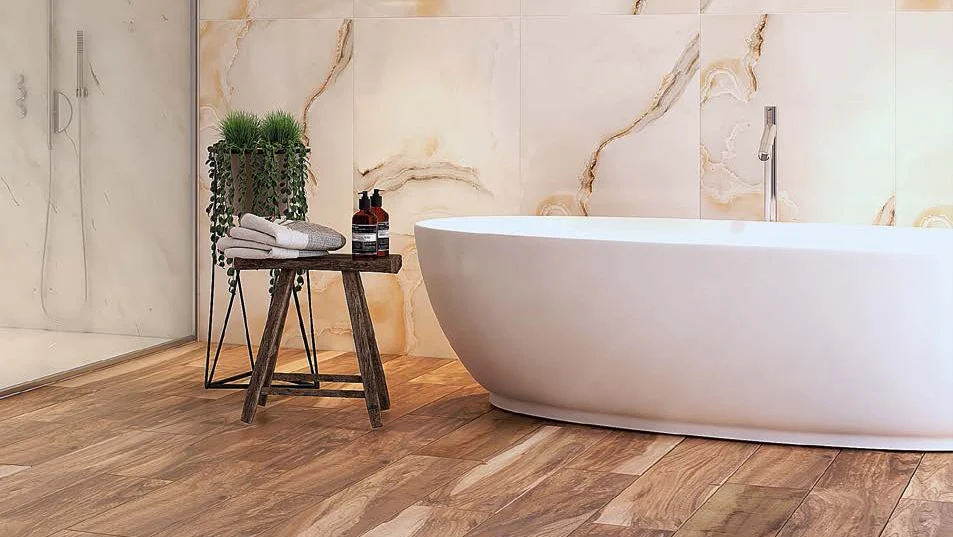
Keeping your bathroom floor spotless is essential not only for appearance but also for hygiene and safety. With so many types of flooring available, knowing the right cleaning methods for each surface can make a significant difference in results and longevity. Whether you have tile, vinyl, laminate, or natural stone, using the correct techniques and products will help prevent damage and keep your floors looking their best. In this guide, you’ll find practical bathroom floor cleaning tips tailored to every common surface, ensuring your space stays fresh and inviting.
If you’re also interested in safety or durability, you may want to explore slip resistant bathroom tile options to complement your cleaning routine.
Understanding Your Bathroom Flooring
Before diving into specific cleaning advice, it’s important to identify what type of floor you have. Common bathroom surfaces include ceramic or porcelain tile, vinyl, laminate, natural stone, and sometimes engineered wood. Each material has unique characteristics and care requirements. Using the wrong cleaning method can lead to discoloration, warping, or even permanent damage.
For those considering new flooring, you can compare the bathroom flooring durability of various materials to make an informed choice that matches your cleaning habits and lifestyle.
Tile Floor Care: Ceramic, Porcelain, and Stone
Tile floors are popular in bathrooms due to their water resistance and durability. However, grout lines can trap dirt and mildew, requiring regular attention. Here are some essential bathroom floor cleaning tips for tile:
- Sweep or vacuum regularly to remove dust and debris that can scratch the tile surface.
- Mop with warm water and a mild detergent. Avoid harsh chemicals, especially on natural stone, as they can cause etching or dullness.
- Clean grout lines using a soft brush and a mixture of baking soda and water. For stubborn stains, a small amount of hydrogen peroxide can help, but always test in an inconspicuous area first.
- Dry the floor thoroughly after mopping to prevent water spots and mold growth.
For more inspiration on tile styles and maintenance, check out this comprehensive guide to the best bathroom flooring options.
Maintaining Vinyl and Laminate Surfaces
Vinyl and laminate are favored for their affordability and ease of installation. They’re generally low-maintenance, but still benefit from proper care to avoid scratches and moisture damage.
- Use a soft broom or vacuum (without a beater bar) to remove grit and dust.
- Mop with a damp (not wet) microfiber mop and a gentle cleaner designed for vinyl or laminate. Excess water can seep into seams and cause warping.
- Wipe up spills immediately to prevent staining and swelling.
- Avoid abrasive scrubbers or wax-based products, which can leave a residue or damage the finish.
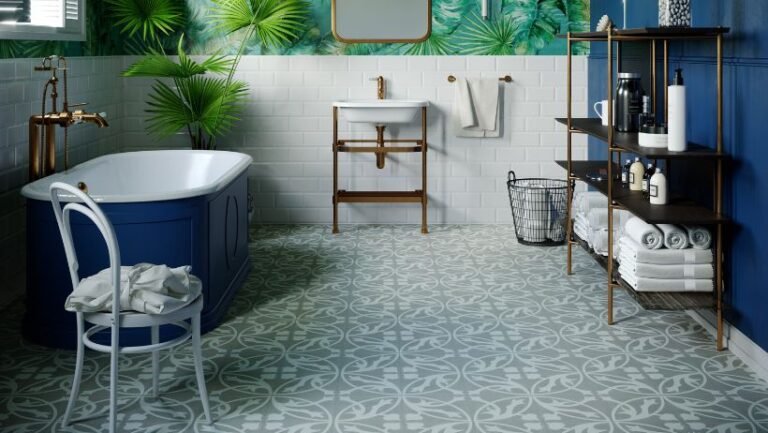
If you’re interested in laminate options that can withstand splashes and humidity, explore the benefits of water resistant laminate for bathroom floors.
Natural Stone: Special Considerations
Marble, granite, and other natural stones add elegance to bathrooms but require extra care. Acidic or abrasive cleaners can damage the surface, so always use products specifically formulated for stone.
- Sweep or dust mop daily to prevent grit from scratching the surface.
- Mop with a pH-neutral stone cleaner and avoid vinegar, lemon, or ammonia-based products.
- Seal stone floors periodically to protect against stains and moisture.
- Wipe spills quickly, especially those containing acidic substances like juice or cosmetics.
Child- and Pet-Friendly Cleaning Approaches
Families with kids or pets need cleaning routines that are both effective and safe. Opt for non-toxic, fragrance-free cleaners and avoid leaving wet floors unattended to prevent slips.
For additional tips on selecting the right surface, see our guide on child friendly bathroom flooring and pet friendly bathroom flooring.

Quick Tips for Daily Bathroom Floor Maintenance
- Ventilate the bathroom after showers to reduce moisture and prevent mold.
- Use mats or rugs near the tub and sink to catch water and dirt.
- Spot clean regularly to address spills or muddy footprints before they set.
- Establish a weekly cleaning routine for deep cleaning and disinfection.
Common Mistakes to Avoid
Even with the best intentions, some cleaning habits can do more harm than good. Here are a few pitfalls to steer clear of:
- Using too much water on laminate or wood-based floors, which can cause swelling or warping.
- Applying bleach or harsh chemicals to natural stone or colored grout, leading to discoloration.
- Neglecting grout lines, which can harbor mold and bacteria.
- Skipping regular maintenance, allowing dirt and soap scum to build up.
FAQ: Bathroom Floor Cleaning Essentials
How often should I clean my bathroom floor?
For most households, a weekly deep clean is recommended, with spot cleaning as needed. High-traffic bathrooms or homes with children and pets may benefit from more frequent attention.
What’s the safest way to clean floors with kids or pets around?
Choose non-toxic, fragrance-free cleaners and always rinse surfaces thoroughly. Keep the area well-ventilated and ensure floors are dry before allowing children or pets to walk on them.
Can I use vinegar on all bathroom floors?
Vinegar is safe for ceramic and porcelain tile but should be avoided on natural stone, vinyl, and laminate, as its acidity can damage these surfaces. Always check manufacturer recommendations for your specific flooring.
How do I prevent mold and mildew on my bathroom floor?
Ensure good ventilation, dry the floor after use, and clean grout lines regularly. Using a squeegee or towel after showers can help minimize moisture buildup.
Conclusion: Keeping Every Bathroom Floor Spotless
With the right approach, maintaining a clean and healthy bathroom floor is straightforward. By understanding your flooring type and following these targeted bathroom floor cleaning tips, you’ll extend the life of your surfaces and create a safer, more attractive space for everyone in your home.