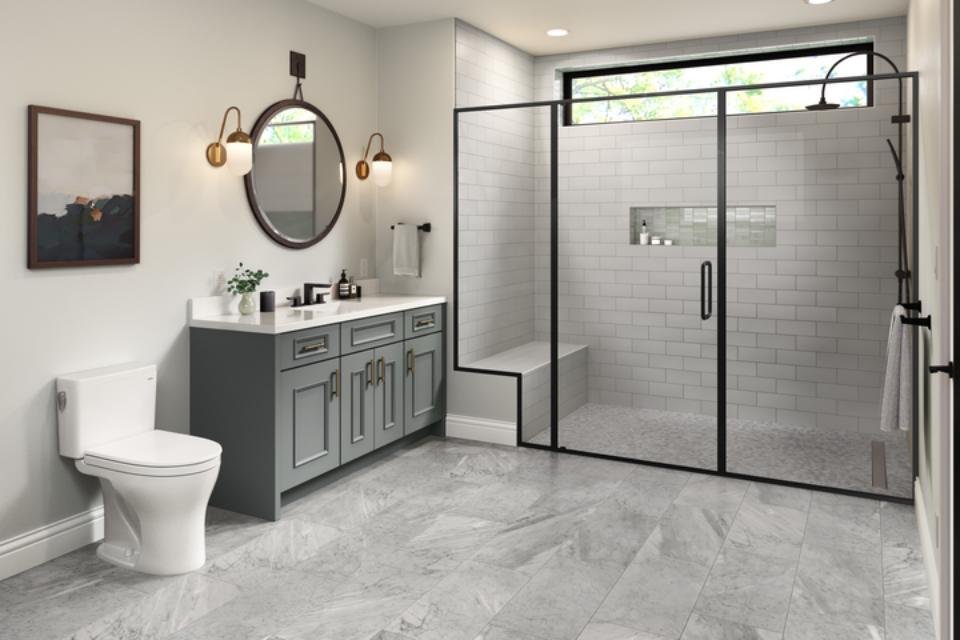
Choosing the right flooring for your bathroom is essential for both style and functionality. Bathrooms are high-moisture environments, so selecting a surface that can withstand splashes, humidity, and occasional spills is crucial. Water resistant laminate for bathroom spaces has become a popular choice, offering the look of wood or stone with added durability and moisture protection. This guide covers what makes these products unique, how they compare to other options, and what to consider before making your decision.
If you’re planning a renovation or simply want to upgrade your bathroom floor, understanding the benefits and limitations of water-repellent laminate can help you achieve a balance between aesthetics, longevity, and budget. For those tackling projects themselves, our DIY bathroom flooring resource offers practical tips for beginners.
Understanding Moisture-Resistant Laminate Flooring
Traditional laminate flooring is made of several layers, including a fiberboard core, a decorative layer, and a protective wear layer. While standard laminate can mimic the appearance of hardwood or tile, it is vulnerable to water damage. Water resistant laminate for bathroom applications is engineered with advanced technology to resist moisture penetration, making it a safer choice for wet areas.
These products often feature a tighter locking system, water-repellent coatings, and sometimes a waterproof core. This construction helps prevent swelling, warping, and mold growth that can occur when water seeps into the seams or underlayment.
Key Benefits of Water-Repellent Laminate in Bathrooms
Homeowners are increasingly turning to moisture-resistant laminate for several reasons:
- Realistic Appearance: Modern designs closely replicate the look and texture of natural wood or stone.
- Affordability: Laminate is typically less expensive than solid hardwood or ceramic tile.
- Easy Installation: Many products use a click-lock system, making them suitable for DIY projects.
- Comfort: Laminate is warmer and softer underfoot compared to tile, which can be cold in bathrooms.
- Low Maintenance: The protective top layer resists stains and is easy to clean with regular sweeping and damp mopping.

Comparing Water-Resistant Laminate With Other Bathroom Flooring
When evaluating flooring options for bathrooms, it’s helpful to compare moisture-resistant laminate with other popular choices:
| Flooring Type | Water Resistance | Comfort | Maintenance | Cost |
|---|---|---|---|---|
| Water-Resistant Laminate | Good (not fully waterproof) | Warm, softer | Easy | Low–Moderate |
| Luxury Vinyl Plank (LVP) | Excellent (waterproof) | Warm, softer | Easy | Moderate |
| Ceramic/Porcelain Tile | Excellent (waterproof) | Cold, hard | Easy | Moderate–High |
| Natural Stone | Excellent (with sealing) | Cold, hard | Moderate | High |
| Engineered Wood | Moderate | Warm | Moderate | High |
While water resistant laminate for bathroom use is a strong contender, it’s important to note that it is not fully waterproof. For areas with frequent standing water, such as walk-in showers, luxury vinyl or tile may offer greater peace of mind. For more inspiration on affordable options, check out these budget bathroom flooring ideas.
Installation Tips for Moisture-Resistant Laminate in Bathrooms
Proper installation is key to maximizing the lifespan and performance of your bathroom floor. Here are some practical tips:
- Acclimate the Planks: Allow the laminate to sit in the bathroom for at least 48 hours before installation to adjust to temperature and humidity.
- Use a Moisture Barrier: Install a high-quality underlayment and vapor barrier to prevent moisture from reaching the subfloor.
- Seal the Edges: Apply a waterproof sealant around the perimeter, especially near tubs, toilets, and sinks.
- Leave Expansion Gaps: Follow manufacturer guidelines for expansion space to prevent buckling.
- Promptly Wipe Up Spills: Even though the surface is protected, standing water should be cleaned up quickly.
For more detailed guidance, our bathroom floor installation tips article covers step-by-step instructions and common pitfalls to avoid.
Maintenance and Longevity of Bathroom Laminate
Keeping your water-repellent laminate in top condition is straightforward. Regular sweeping or vacuuming removes dirt and debris that can scratch the surface. Use a damp mop for deeper cleaning, but avoid excessive water or harsh cleaners. Place mats near the tub and sink to catch splashes and prevent slipping.
With proper care and installation, these floors can last 10–15 years or more. However, if you notice swelling, bubbling, or discoloration, it may be time to address repairs. Our bathroom floor repair guide outlines common problems and solutions.
Design Ideas and Inspiration for Bathroom Laminate
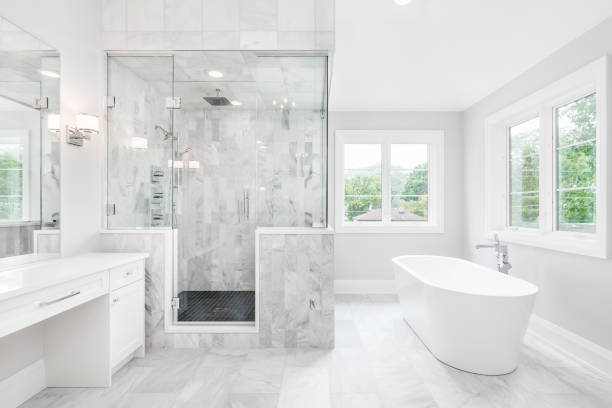
Moisture-resistant laminate comes in a wide variety of colors, patterns, and finishes. Whether you prefer the rustic look of reclaimed wood, the sleek appeal of gray planks, or the elegance of marble-inspired designs, there’s an option to suit every taste.
For more creative ideas, you can browse inspirational bathroom flooring ideas from leading design experts. Pairing your new floor with matching wall tiles or modern fixtures can elevate the entire space.
Frequently Asked Questions
Is water-resistant laminate truly waterproof?
While these products are designed to repel moisture and resist splashes, they are not completely waterproof. Prolonged exposure to standing water can still cause damage. For areas with frequent water pooling, consider waterproof vinyl or tile.
Can I install water-repellent laminate in a bathroom myself?
Yes, many homeowners successfully install these floors using a click-lock system. Be sure to follow manufacturer instructions, use a vapor barrier, and seal all edges for the best results. For step-by-step help, see our DIY bathroom flooring tips.
How does water-resistant laminate compare to luxury vinyl plank?
Both options are affordable, attractive, and comfortable underfoot. Luxury vinyl plank is fully waterproof and generally more tolerant of standing water, making it a better choice for bathrooms with high moisture exposure. Laminate offers a realistic wood look and is often slightly less expensive.
What should I do if my laminate floor gets wet?
Wipe up spills or standing water immediately. If water seeps into seams or under the planks, dry the area thoroughly and check for swelling. Address any damage promptly to prevent mold or further issues.
Conclusion
Water resistant laminate for bathroom environments is a practical and stylish choice for many homeowners. It combines the beauty of natural materials with the durability needed for high-moisture spaces. By understanding the features, installation requirements, and care instructions, you can enjoy a beautiful, long-lasting bathroom floor that fits your lifestyle and budget.