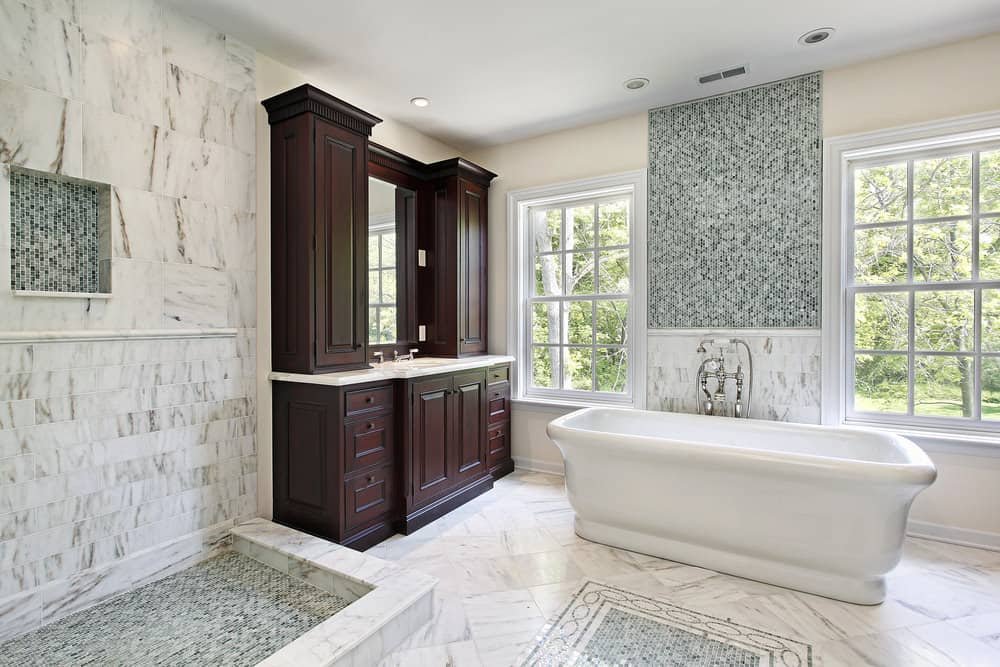
Choosing sustainable bathroom flooring is a practical way to reduce your home’s environmental impact while creating a stylish and functional space. With a growing focus on eco-friendly living, homeowners are seeking materials that are renewable, durable, and safe for both people and the planet. This guide explores the best green flooring options for bathrooms, how to select the right material, and tips for installation and care.
Whether you’re renovating or building new, making informed choices about your bathroom floor can support a healthier indoor environment and contribute to a more sustainable home. For those interested in tackling common issues, our bathroom floor repair guide offers practical solutions to keep your eco-friendly floors in top shape.
Why Choose Eco-Friendly Flooring for Bathrooms?
Bathrooms present unique challenges for flooring: moisture, temperature changes, and frequent cleaning. Traditional materials like vinyl or ceramic tile can have a significant environmental footprint due to manufacturing processes and chemical content. In contrast, sustainable bathroom flooring options minimize harm by using renewable resources, recycled content, and low-emission finishes.
- Reduced VOCs: Many eco-friendly floors emit fewer volatile organic compounds, improving indoor air quality.
- Resource Efficiency: Materials like bamboo and cork grow quickly and are harvested with minimal environmental disruption.
- Recyclability: Some green floors can be recycled at the end of their life, reducing landfill waste.
- Durability: Sustainable options are often designed to last, lowering the need for frequent replacement.
Top Green Flooring Materials for Bathrooms
Selecting the right material involves balancing sustainability, water resistance, and style. Here are some of the most popular choices for environmentally conscious homeowners:
Bamboo: Rapidly Renewable and Water-Resistant
Bamboo is a standout for eco-friendly bathrooms. It matures in just a few years, making it highly renewable. Strand-woven bamboo is especially dense and can handle humidity better than many hardwoods. Look for products certified by reputable organizations to ensure responsible sourcing.
Cork: Soft, Warm, and Naturally Antimicrobial
Cork is harvested from the bark of cork oak trees without harming the plant, allowing for repeated harvests. Its natural antimicrobial properties and cushioned feel make it comfortable underfoot. When sealed properly, cork resists moisture and is suitable for bathroom use.
Recycled Glass Tiles: Stylish and Sustainable
Recycled glass tiles offer vibrant color and a unique look while diverting waste from landfills. They are non-porous, making them resistant to water and stains. Installation requires a skilled hand, but the result is a durable and eco-friendly surface.
Linoleum: Classic, Biodegradable, and Water-Resistant
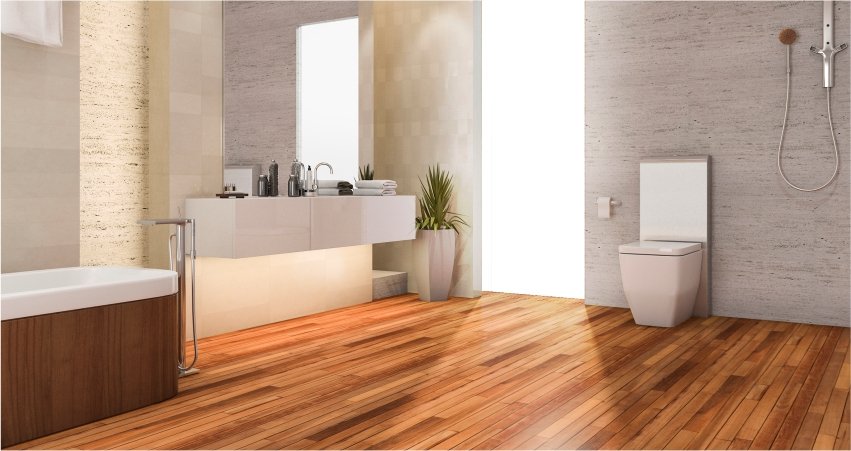
Made from natural materials such as linseed oil, cork dust, and wood flour, linoleum is biodegradable and has been used in homes for over a century. Modern linoleum comes in a range of colors and patterns, and its water resistance makes it suitable for bathrooms. Ensure seams are well-sealed to prevent moisture intrusion.
Natural Stone: Durable and Timeless
While stone requires more energy to quarry and transport, it can last a lifetime and is often recyclable. Choose locally sourced stone when possible to reduce transportation emissions. Slate and granite are popular choices for wet areas due to their density and slip resistance.
Eco-Friendly Vinyl and Tiles
Advances in manufacturing have led to vinyl and ceramic tiles made with recycled content and lower emissions. Some brands offer products certified for low chemical emissions and sustainable sourcing. For a deeper dive into affordable options, check out our budget bathroom flooring ideas for inspiration.
How to Select the Right Sustainable Bathroom Floor
Choosing the best eco-friendly floor for your bathroom involves considering several factors:
- Moisture Resistance: Bathrooms are high-moisture environments. Opt for materials that can withstand humidity and splashes.
- Slip Resistance: Safety is crucial, especially in wet areas. Look for textured surfaces or add non-slip mats.
- Maintenance: Some green floors require regular sealing or special cleaning products. Consider your willingness to maintain the surface.
- Certifications: Seek out floors with certifications like FSC (Forest Stewardship Council), FloorScore, or GreenGuard for verified sustainability.
- Style and Color: Sustainable options come in a variety of looks, from natural wood tones to bold recycled glass mosaics.
For those new to home improvement, our DIY bathroom flooring tips provide step-by-step advice for installing eco-friendly floors with confidence.
Installation and Care Tips for Eco-Conscious Floors
Proper installation and maintenance are key to maximizing the lifespan and performance of your green bathroom floor.
- Professional Installation: Some materials, like recycled glass tile or stone, benefit from expert installation to ensure waterproofing and durability.
- Use Low-VOC Adhesives and Sealants: Select products that emit fewer harmful chemicals to maintain indoor air quality.
- Routine Cleaning: Clean floors with mild, eco-friendly cleaners to avoid damaging the surface or introducing toxins.
- Seal When Needed: Materials like cork or natural stone may require periodic sealing to maintain water resistance.
- Prompt Spill Cleanup: Wipe up water and spills quickly to prevent staining or warping.
For more guidance on achieving a smooth installation, see our bathroom floor installation tips.

Comparing Costs and Benefits of Green Flooring
Eco-friendly bathroom floors can vary in price, but many options are comparable to traditional materials when considering long-term value. While some sustainable choices may have a higher upfront cost, their durability and low maintenance can save money over time.
| Material | Estimated Cost (per sq. ft.) | Key Benefits |
|---|---|---|
| Bamboo | $5–$10 | Renewable, durable, water-resistant |
| Cork | $4–$9 | Comfortable, antimicrobial, renewable |
| Recycled Glass Tile | $7–$30 | Recycled content, unique style, water-resistant |
| Linoleum | $3–$7 | Biodegradable, classic look, water-resistant |
| Eco Vinyl/Tile | $2–$8 | Recycled content, easy maintenance |
For a comprehensive overview of available options and their features, the bathroom flooring buying guide from DIY.com offers additional insights.
Frequently Asked Questions
What is the most water-resistant eco-friendly flooring for bathrooms?
Recycled glass tiles and strand-woven bamboo are among the most water-resistant green flooring options. Both materials handle humidity and splashes well, making them suitable for wet environments.
Can I install sustainable bathroom floors myself?
Many eco-friendly floors, such as bamboo planks or linoleum sheets, can be installed by DIY enthusiasts. However, materials like recycled glass tile or natural stone may require professional installation for best results. For step-by-step help, see our DIY bathroom flooring guide.
How do I maintain green bathroom flooring?
Use gentle, non-toxic cleaners and avoid harsh chemicals. Some surfaces, like cork or stone, may need periodic sealing. Promptly clean up spills and ensure good ventilation to extend the life of your floor.
Are eco-friendly bathroom floors more expensive?
While some sustainable materials have a higher initial cost, their durability and low maintenance often make them cost-effective over time. Options like linoleum and eco-vinyl are especially budget-friendly.
Conclusion
Investing in sustainable bathroom flooring is a smart step toward a greener, healthier home. With a range of options from bamboo and cork to recycled glass and eco-conscious tiles, it’s possible to create a beautiful, water-resistant space that aligns with your values. By considering durability, maintenance, and responsible sourcing, you can enjoy a bathroom floor that supports both your lifestyle and the environment.