In today’s rapidly evolving energy landscape, the debate of solar panels vs traditional energy sources is more relevant than ever. As individuals and businesses seek sustainable and cost-effective energy solutions, understanding the differences between these options is crucial. This comparison is particularly valuable for homeowners considering a shift to renewable energy and businesses aiming to reduce their carbon footprint. Whether you’re driven by environmental concerns or financial incentives, this guide will help you navigate the complexities of choosing between solar energy and conventional power sources. For those interested in other innovative home solutions, you might also explore Waterproof Bathroom Wall Panels: A Smart Alternative to Tiles.
Quick Comparison
| Feature | Solar Panels | Traditional Energy Sources |
|---|---|---|
| Cost | High initial investment, but potential savings over time with incentives like the federal solar tax credit. | Lower initial costs, but ongoing expenses can be higher due to fuel costs. |
| Environmental Impact | Low emissions during operation, but manufacturing involves hazardous chemicals. | High emissions and pollution from fossil fuels. |
| Efficiency | Dependent on sunlight availability; generally improving with technology. | Consistent energy output, but efficiency varies by fuel type. |
| Maintenance | Minimal maintenance required; long lifespan. | Regular maintenance needed; varies by energy type. |
| Ideal Use-Case | Best for sunny regions and environmentally conscious users. | Suitable for areas with less sunlight and immediate energy needs. |
For more information on innovative home solutions, consider checking out Waterproof Bathroom Wall Panels: A Smart Alternative to Tiles.
Solar Panels: A Sustainable Choice
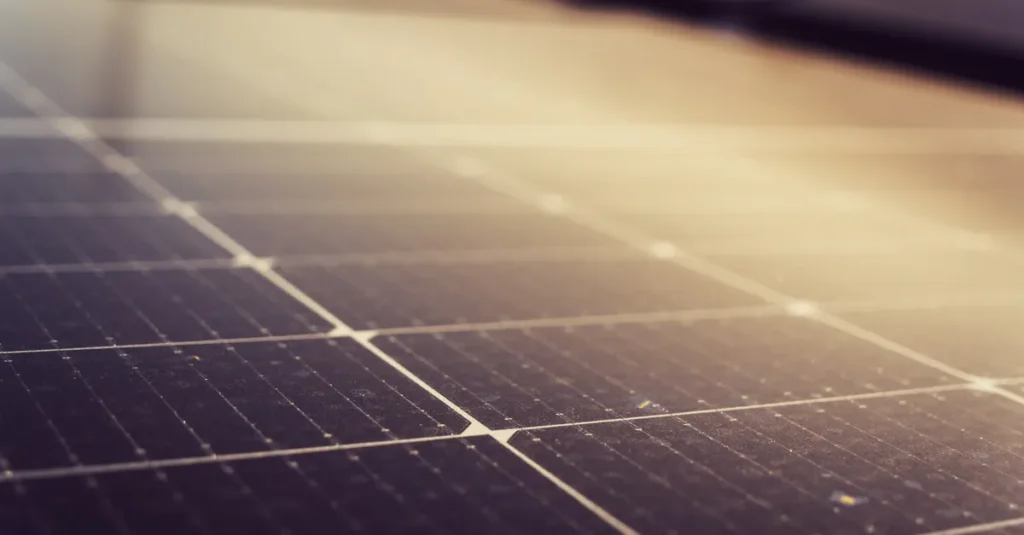
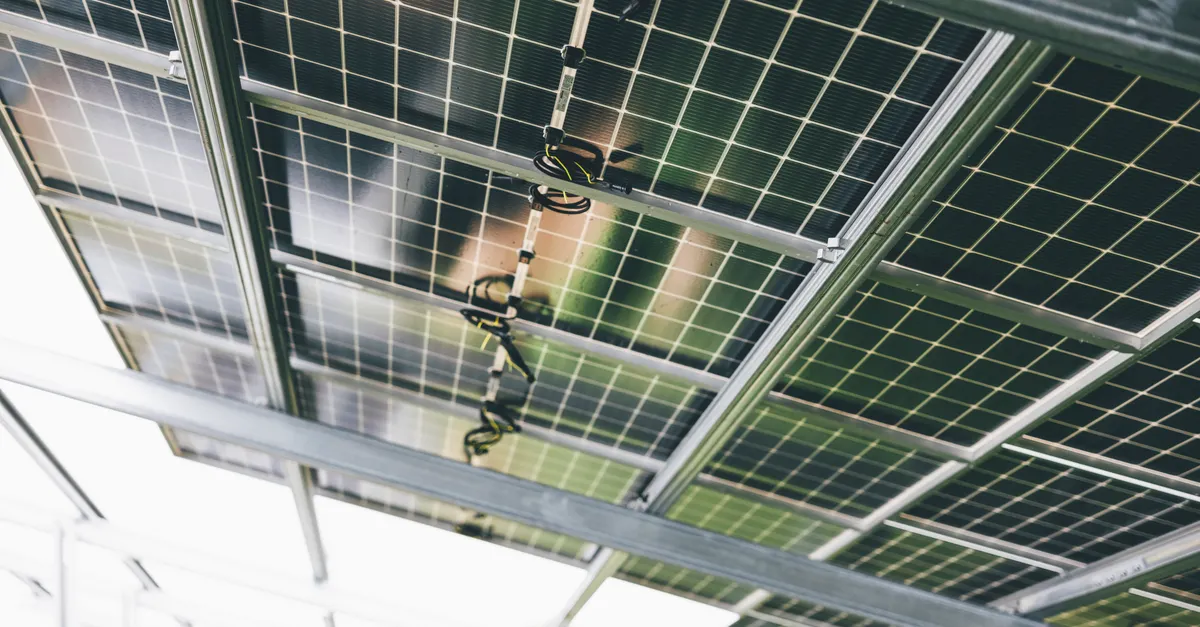
Solar panels, or photovoltaic (PV) systems, convert sunlight into electricity, offering a renewable energy source that reduces reliance on fossil fuels. As technology advances, solar panels become more efficient and affordable, making them an attractive option for eco-conscious consumers.
Key Features
- Renewable energy source
- Reduces carbon footprint
- Potential for energy independence
Pros
- Environmentally friendly with low emissions
- Long-term cost savings
- Increases property value
Cons
- High initial installation cost
- Efficiency dependent on sunlight availability
- Requires space for installation
Traditional Energy Sources: The Conventional Route
Traditional energy sources, such as coal, natural gas, and oil, have been the backbone of global energy production for decades. These sources provide consistent energy output but come with environmental and economic challenges.
Key Features
- Established infrastructure
- Reliable energy supply
- Variety of fuel types
Pros
- Lower initial costs
- Consistent energy output
- Widely available infrastructure
Cons
- High carbon emissions
- Fluctuating fuel prices
- Environmental degradation
Head-to-Head Comparison
When comparing solar panels vs traditional energy sources, several factors come into play. In terms of performance, solar panels excel in sunny regions, providing clean energy with minimal environmental impact. Traditional sources, however, offer consistent power regardless of weather conditions. The build quality of solar panels is robust, with many systems lasting over 25 years with minimal maintenance. Traditional systems require more frequent upkeep and can be affected by fuel supply issues.
Pricing is another critical factor. While solar panels have a higher upfront cost, incentives like the federal solar tax credit can significantly reduce the financial burden. Over time, solar energy can be more cost-effective due to lower operational costs. Traditional energy sources, although cheaper initially, can incur higher costs over time due to fuel and maintenance expenses.
Durability and user suitability also differ. Solar panels are ideal for environmentally conscious users and those in sunny areas, while traditional energy sources are better suited for regions with less sunlight or immediate energy needs.
Which One Should You Choose?
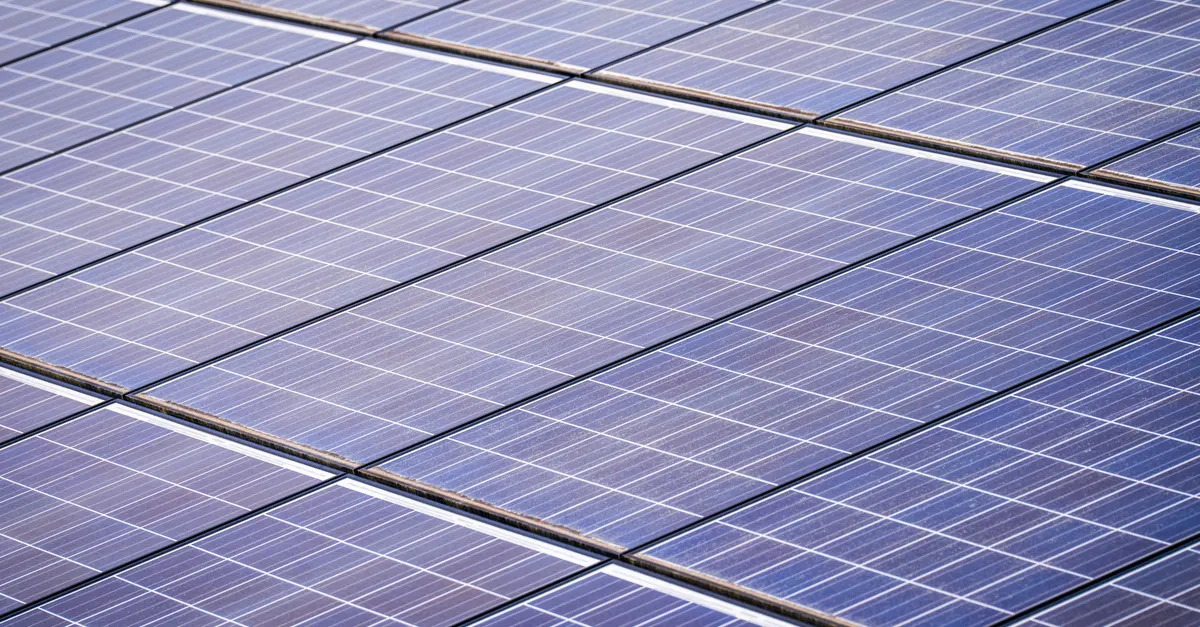
Your choice between solar panels and traditional energy sources should depend on your specific needs and circumstances. If you live in a sunny region and are committed to reducing your carbon footprint, investing in solar panels might be the best option. They offer long-term savings and environmental benefits, making them a smart choice for the future.
On the other hand, if you require a reliable and immediate energy supply, especially in areas with less sunlight, traditional energy sources might be more practical. They provide consistent power and have an established infrastructure, making them a dependable choice.
Frequently Asked Questions
What are the cost differences between solar panels and traditional energy sources?
Solar panels have a higher initial cost but offer savings over time through reduced energy bills and incentives. Traditional energy sources have lower upfront costs but can be more expensive in the long run due to fuel and maintenance expenses.
How do solar panels impact the environment compared to traditional energy sources?
Solar panels produce minimal emissions during operation, significantly reducing environmental impact. Traditional energy sources, however, contribute to pollution and greenhouse gas emissions.
What are the maintenance requirements for solar panels compared to traditional energy sources?
Solar panels require minimal maintenance, primarily involving occasional cleaning and inspections. Traditional energy systems often need regular maintenance and repairs, depending on the fuel type and equipment used.
What are the long-term benefits and drawbacks of using solar panels?
Solar panels offer long-term savings, increased property value, and environmental benefits. However, they require a significant initial investment and depend on sunlight availability for optimal efficiency.
How does the initial investment in solar panels compare to traditional energy sources?
While the initial investment in solar panels is higher, financial incentives and long-term savings can offset these costs. Traditional energy sources have lower upfront costs but may incur higher ongoing expenses.