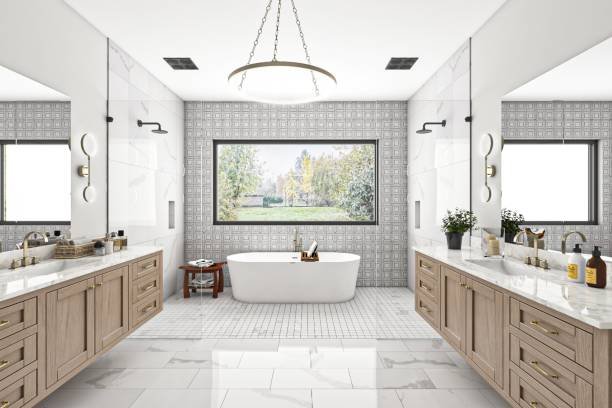
Stepping onto a warm bathroom floor on a chilly morning is a comfort many homeowners now seek. Radiant heat under bathroom floor systems have become increasingly popular for those wanting both luxury and efficiency in their homes. These systems not only add comfort but can also improve energy efficiency and increase property value. Whether you’re planning a renovation or building new, understanding how these heating solutions work and what’s involved in installation can help you make an informed decision.
Before diving into the details, it’s helpful to consider the broader context of bathroom flooring. If you’re also interested in repairs or upgrades, you might find the Bathroom floor repair guide useful for addressing common issues before installing any heating system.
Understanding How Floor Heating Works
At its core, radiant heat under bathroom floor systems use either electric cables or water-filled tubes installed beneath the flooring surface. These elements generate warmth, which rises and evenly heats the floor above. Unlike forced-air systems that heat the air, radiant solutions focus on warming objects and people directly, leading to a more consistent and comfortable environment.
There are two main types of radiant floor heating used in bathrooms:
- Electric radiant heating: Uses electric cables or mats that are laid out under the floor. These are often easier and less expensive to install, especially in smaller spaces like bathrooms.
- Hydronic radiant heating: Relies on a network of tubing that circulates hot water. While more complex and costly to install, hydronic systems are typically more energy-efficient for larger areas or whole-home applications.
Benefits of Installing Heated Bathroom Floors
Adding a heating system beneath your bathroom floor offers several advantages:
- Comfort: No more cold tiles underfoot, especially during winter months.
- Energy efficiency: Radiant systems can be more efficient than traditional heating, as they reduce heat loss and allow for lower thermostat settings.
- Improved air quality: Since there’s no blowing air, dust and allergens are less likely to circulate.
- Silent operation: These systems run quietly, without the hum or whoosh of forced-air units.
- Increased home value: Heated floors are an attractive feature for potential buyers.
Choosing the Right Flooring for Heated Bathrooms
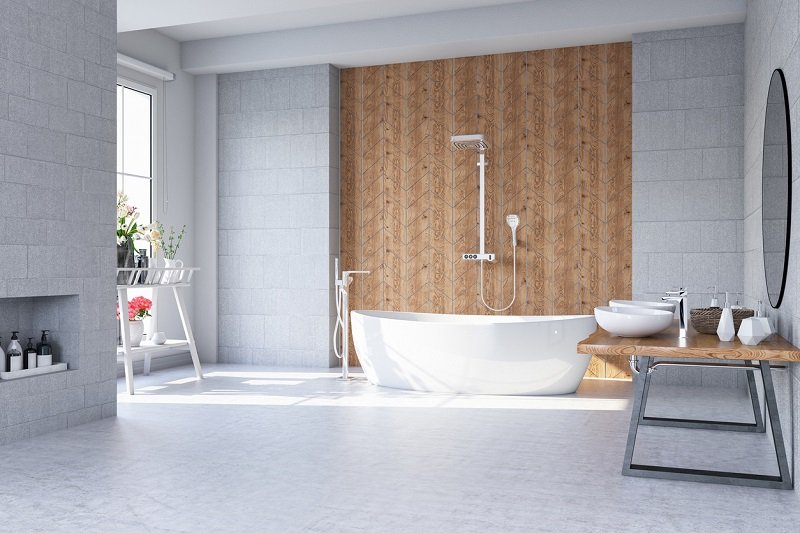
Not all flooring materials are equally suited for use with radiant heating. The best choices are those that conduct heat efficiently and won’t be damaged by temperature changes. Tile, stone, and certain types of vinyl are excellent options. If you’re considering a budget-friendly update, check out these budget bathroom flooring ideas for inspiration.
When selecting materials, keep the following in mind:
- Tile and stone: Both are highly conductive and durable, making them ideal for use with underfloor heating.
- Vinyl and laminate: Many modern products are compatible, but always check manufacturer recommendations to ensure heat won’t cause warping.
- Engineered wood: Some engineered wood floors can be used, but solid hardwood is generally not recommended due to potential for expansion and contraction.
For more on selecting the right surface, see HGTV’s guide to bathroom flooring styles and trends.
Installation Process: What to Expect
Installing a radiant heat under bathroom floor system can be a DIY project for those with experience, but many homeowners choose to hire professionals. The process typically involves:
- Preparing the subfloor and ensuring it’s clean, level, and dry.
- Laying out the heating element (electric mats or hydronic tubing) according to the manufacturer’s instructions.
- Installing a layer of thinset or self-leveling compound to embed the heating system.
- Placing the chosen flooring material on top.
- Connecting the system to a thermostat and testing for proper operation.
If you’re new to home improvement, our DIY bathroom flooring tips offer practical advice for beginners, including safety considerations and common pitfalls.

Cost Considerations and Energy Efficiency
The cost of installing a heated floor system in a bathroom varies depending on the type, size of the space, and chosen materials. Electric systems are generally less expensive upfront, with installation costs ranging from $8 to $15 per square foot. Hydronic systems, while more costly to install, can offer lower operating costs in the long run, especially when integrated into a whole-home heating plan.
Energy efficiency is a significant benefit of radiant heating. Because the warmth is delivered directly to the floor and objects in the room, less energy is wasted compared to forced-air systems. Many homeowners find they can set their thermostats lower while maintaining the same level of comfort.
For those working with limited space, our guide to the best flooring for small bathrooms can help you maximize both style and efficiency.
Maintenance and Longevity
Once installed, radiant floor heating requires minimal maintenance. Electric systems, in particular, have few moving parts and can last for decades if not damaged during renovations. Hydronic systems may require occasional checks for leaks or pump maintenance, but these issues are rare when installed correctly.
It’s important to avoid drilling or nailing into the floor after installation, as this can damage the heating elements. If you ever need to repair or replace flooring, consult a professional to avoid costly mistakes. For more installation tips, see our bathroom floor installation tips.
Frequently Asked Questions
Is radiant floor heating safe for bathrooms?
Yes, these systems are designed for wet environments and are safe when installed according to manufacturer guidelines. Electric systems often include ground fault protection for added safety.
How long does it take for a heated bathroom floor to warm up?
Most electric systems heat up within 30 to 60 minutes. Hydronic systems may take a bit longer but retain heat well, making them ideal for consistent warmth.
Can I install radiant heating under existing floors?
Retrofitting is possible, but it often requires removing the current flooring. Some ultra-thin electric mats are designed for installation over existing subfloors, but always check compatibility with your specific floor type.
What flooring materials work best with underfloor heating?
Tile, stone, and some vinyl or engineered wood products are ideal. Avoid solid hardwood, as it may warp due to temperature fluctuations.
Conclusion
Incorporating radiant heat under bathroom floor surfaces offers comfort, efficiency, and a touch of luxury. By understanding the types of systems available, suitable flooring options, and what to expect during installation, you can make a confident choice for your home. Whether you’re updating a small powder room or designing a spa-like retreat, heated floors can be a valuable and enjoyable upgrade.