
Transforming your bathroom into a warm, inviting retreat is easier than ever with heated bathroom flooring. This innovative solution not only adds comfort underfoot but also elevates the overall atmosphere of your space, making chilly mornings a thing of the past. Whether you’re renovating or building new, radiant floor heating can be a smart investment for both comfort and efficiency.
In this article, you’ll discover the essentials of installing and enjoying radiant heat in your bathroom, including system types, benefits, installation tips, and maintenance advice. If you’re considering a full upgrade or just want to add a touch of luxury, you’ll find practical guidance here. For those interested in tackling related projects, our DIY bathroom flooring resource offers hands-on tips for beginners.
Understanding Radiant Floor Heating Systems
There are two main types of radiant heating systems suitable for bathrooms: electric radiant mats and hydronic (water-based) systems. Each offers unique advantages, and your choice will depend on your budget, bathroom size, and renovation plans.
- Electric radiant mats use thin wires embedded in mats or cables installed beneath the floor surface. They’re ideal for retrofits and smaller spaces, as they’re easy to install and heat up quickly.
- Hydronic systems circulate warm water through tubing under the floor. These are more complex and typically installed during major renovations or new builds, but they’re highly efficient for heating larger areas.
Both systems can be paired with a variety of flooring materials, including tile, stone, and even some types of vinyl or engineered wood. For more inspiration on floor materials, explore these creative bathroom floor ideas.
Benefits of Installing Heated Floors in the Bathroom
Adding radiant heat to your bathroom floor provides several practical and luxurious benefits:
- Consistent warmth: Heated floors eliminate cold spots, providing even warmth throughout the room.
- Energy efficiency: Radiant systems heat the room from the ground up, often allowing you to lower your thermostat and save on energy costs.
- Improved comfort: Stepping onto a warm floor after a shower or bath is a simple pleasure that enhances your daily routine.
- Reduced moisture: Warm floors help dry out water and humidity, reducing the risk of mold and mildew.
- Silent operation: Unlike forced-air systems, radiant heat works quietly and invisibly.
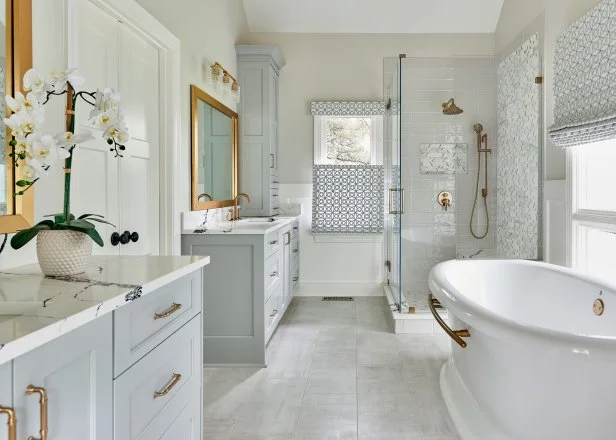
Choosing the Right Flooring for Radiant Heat
Not all flooring materials are equally compatible with underfloor heating. The best options conduct heat efficiently and withstand temperature changes. Here are some popular choices:
- Ceramic and porcelain tiles: These are the most popular choices for bathrooms with radiant heat. They conduct warmth well and are water-resistant.
- Natural stone: Stone floors like marble or slate offer excellent heat conduction and a luxurious look.
- Luxury vinyl plank (LVP): Many modern LVP products are rated for use over radiant systems. They’re comfortable, affordable, and available in wood-look styles.
- Engineered wood: Some engineered wood floors are suitable for radiant heating, but always check manufacturer recommendations.
If you’re working with a tight budget, check out our budget bathroom flooring ideas for inspiration that pairs well with radiant systems.
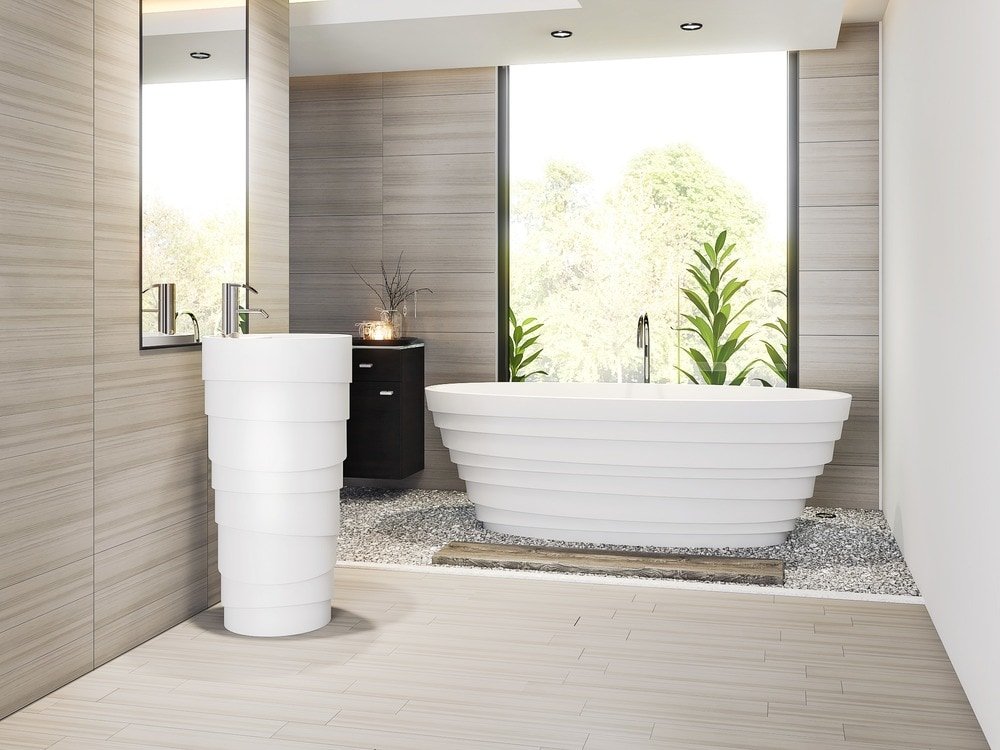
Installation Tips for Heated Bathroom Floors
Installing radiant heating in your bathroom floor can be a DIY project for those with experience, but professional installation is recommended for hydronic systems or complex layouts. Here are some key steps and tips:
- Plan your layout: Map out where fixtures will be placed and avoid installing heating elements under permanent fixtures like vanities or tubs.
- Prepare the subfloor: Ensure the subfloor is clean, dry, and level before installing heating mats or tubing.
- Install insulation: Adding insulation beneath the heating system improves efficiency by directing heat upward.
- Lay the heating system: Follow manufacturer instructions for spacing and securing mats or tubing.
- Connect the thermostat: A programmable thermostat lets you control floor temperature and set schedules.
- Install your chosen flooring: Carefully lay tiles or planks over the heating system, using appropriate adhesives and techniques.
- Test the system: Before finalizing the floor, test the heating to ensure it works properly.
For more detailed step-by-step advice, our bathroom floor installation tips guide can help you achieve a smooth, professional result.
Maintenance and Care for Radiant Heated Floors
Once installed, heated bathroom flooring requires minimal maintenance. Here’s how to keep your system running efficiently:
- Regularly check the thermostat: Ensure your settings are optimized for comfort and energy savings.
- Inspect for damage: If you notice cold spots or uneven heating, consult a professional to check for wiring or tubing issues.
- Clean floors gently: Use non-abrasive cleaners suitable for your flooring type to avoid damaging the surface or heating elements.
- Monitor humidity: Keep bathroom humidity in check to prevent mold and prolong the life of your floor.
If you ever encounter problems, our bathroom floor repair guide covers common issues and solutions for a variety of flooring types.
Frequently Asked Questions
How much does it cost to install radiant heating in a bathroom?
The cost varies based on system type and bathroom size. Electric systems typically range from $10 to $20 per square foot installed, while hydronic systems may be more expensive due to plumbing and labor. Always factor in the cost of compatible flooring and professional installation if needed.
Can I install heated floors under vinyl or laminate?
Many modern vinyl and laminate floors are compatible with radiant heating, but it’s crucial to check manufacturer guidelines. Look for products specifically rated for use with underfloor heating to ensure safety and performance.
Are heated bathroom floors energy efficient?
Yes, radiant floor heating is generally more efficient than forced-air systems for small spaces like bathrooms. The heat rises evenly from the floor, allowing you to feel comfortable at lower thermostat settings and potentially reducing overall energy use.
What flooring works best with radiant heat?
Tile, stone, and some luxury vinyl planks are excellent choices due to their thermal conductivity and durability. Always confirm with the flooring manufacturer that their product is suitable for use with radiant systems.
Conclusion
Upgrading to heated bathroom flooring is a practical way to add comfort, style, and value to your home. With the right system and materials, you can enjoy a warm, inviting bathroom year-round. Whether you’re planning a DIY project or hiring a professional, careful planning and proper installation will ensure lasting results. For more ideas on maximizing small spaces, explore our guide to the best flooring for small bathrooms.