
Choosing the right flooring for your bathroom is about more than just style and durability. Today, many homeowners are seeking eco friendly bathroom flooring solutions that minimize environmental impact while still offering water resistance, easy maintenance, and a beautiful finish. With so many sustainable materials now available, it’s possible to create a stylish, functional bathroom that’s also kind to the planet.
This guide explores a range of sustainable flooring choices, their benefits, and practical tips for selecting the best option for your space. If you’re also considering repairs or upgrades, our bathroom floor repair guide offers additional insights for maintaining your eco-conscious surfaces.
Understanding Sustainable Bathroom Flooring
When evaluating green flooring for bathrooms, it’s important to consider not just the raw materials, but also the manufacturing process, installation requirements, and end-of-life recyclability. The most popular eco friendly bathroom flooring materials are designed to reduce environmental impact at every stage, from sourcing to disposal.
- Renewable resources: Materials like bamboo and cork grow quickly and can be harvested with minimal harm to the environment.
- Recycled content: Tiles and vinyl options made from recycled glass or plastics help divert waste from landfills.
- Low-VOC finishes: Eco-conscious products avoid harmful chemicals that can affect indoor air quality.
- Water resistance: Essential for any bathroom, ensuring longevity and reducing the need for frequent replacements.
Top Green Flooring Choices for Bathrooms
Let’s review some of the most popular sustainable flooring options for bathrooms, highlighting their pros, cons, and what makes each one a smart choice for eco-minded homeowners.
Bamboo: Fast-Growing and Stylish
Bamboo is a favorite among sustainable flooring enthusiasts. It’s a rapidly renewable resource, reaching maturity in just 3–5 years. Strand-woven bamboo is particularly durable and can handle the moisture and humidity typical of bathrooms. Look for products with low-VOC adhesives and finishes for the healthiest indoor environment.
Cork: Naturally Water-Resistant and Comfortable
Cork is harvested from the bark of cork oak trees, which regenerate after each harvest. This makes cork a highly renewable option. It’s naturally antimicrobial, comfortable underfoot, and offers moderate water resistance. For bathrooms, choose cork tiles with a waterproof finish and ensure all seams are properly sealed.
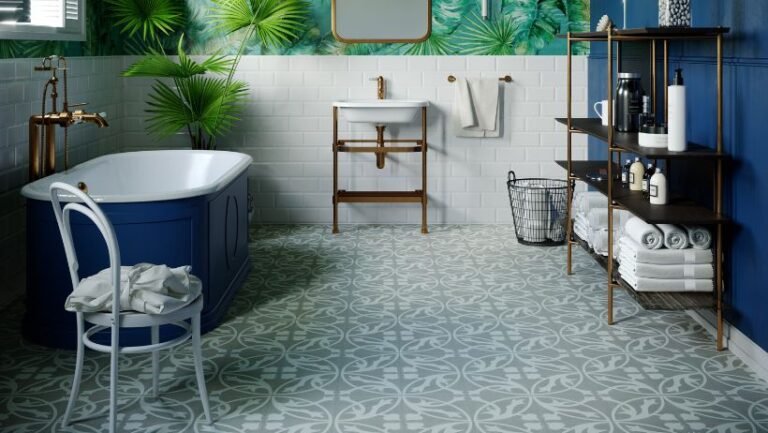
Recycled Glass Tiles: Vibrant and Eco-Conscious
Recycled glass tiles are made from post-consumer and post-industrial glass, giving new life to materials that would otherwise end up in landfills. These tiles are non-porous, highly water-resistant, and come in a range of colors and finishes. They’re an excellent way to add a unique, modern look to your bathroom while supporting sustainability.
Linoleum: Classic and Biodegradable
Unlike vinyl, true linoleum is made from natural materials such as linseed oil, cork dust, and wood flour. It’s fully biodegradable and naturally antimicrobial. Linoleum is available in sheets and tiles, and when properly sealed, it stands up well to bathroom moisture. Its classic look and soft feel underfoot make it a timeless choice.
Eco-Friendly Vinyl: Modern and Practical
Advances in technology have led to vinyl flooring options that incorporate recycled content and low-VOC finishes. While traditional vinyl is not biodegradable, some manufacturers now offer products that are more environmentally responsible. For example, sustainable vinyl bathroom flooring combines water resistance with improved eco-credentials, making it a practical choice for busy households.
Comparing Sustainable Flooring Materials
To help you decide which option is best for your bathroom, here’s a quick comparison of the most popular eco-conscious flooring types:
| Material | Renewable/Recycled | Water Resistance | Maintenance | End-of-Life |
|---|---|---|---|---|
| Bamboo | Renewable | High (when sealed) | Easy | Biodegradable |
| Cork | Renewable | Moderate (needs sealing) | Moderate | Biodegradable |
| Recycled Glass Tile | Recycled | Excellent | Easy | Recyclable |
| Linoleum | Renewable | Good (when sealed) | Easy | Biodegradable |
| Eco Vinyl | Recycled content | Excellent | Easy | Some recyclable options |
Installation and Maintenance Tips for Green Bathroom Floors
Choosing a sustainable material is just the first step. Proper installation and care will ensure your new floor lasts for years while maintaining its eco-friendly benefits.
- Always follow manufacturer recommendations for sealing and waterproofing, especially for cork and bamboo.
- Use low-VOC adhesives and finishes to preserve indoor air quality.
- Clean with gentle, non-toxic products to prevent damage and maintain sustainability.
- Consider professional installation for complex materials like recycled glass tile to ensure a watertight fit.
For those interested in tackling the project themselves, our DIY bathroom flooring resource offers step-by-step advice tailored for beginners.
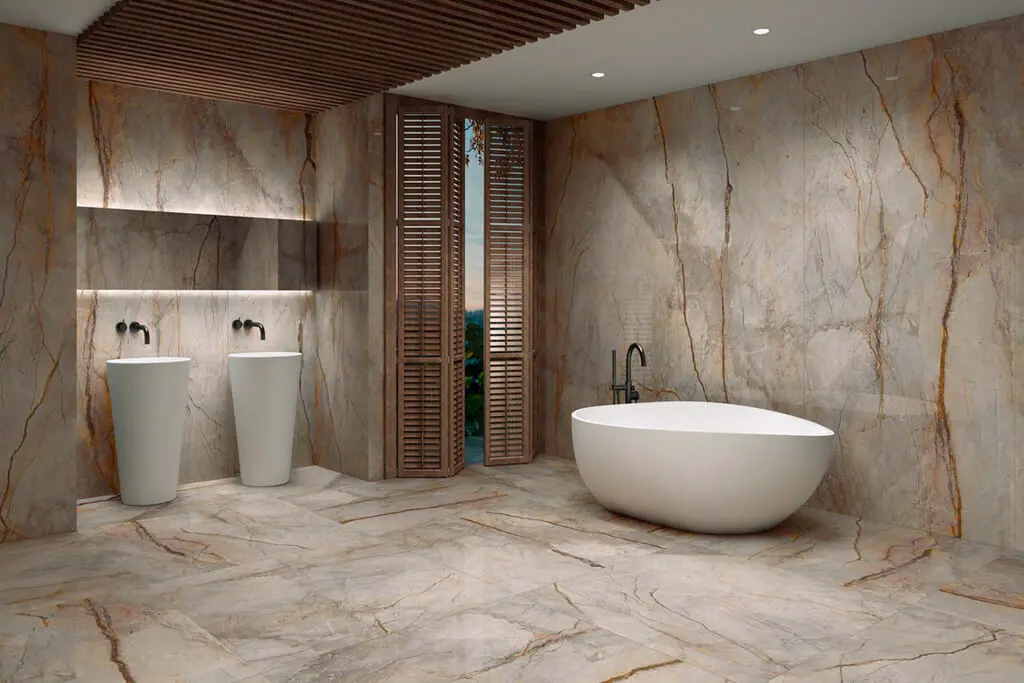
Making the Right Choice for Your Bathroom
The best sustainable flooring for your bathroom will depend on your style preferences, budget, and how much moisture your space typically experiences. Bamboo and cork offer warmth and comfort, while recycled glass tiles provide a bold, modern look. Linoleum and eco-conscious vinyl are practical for families seeking durability and easy cleaning.
For those with smaller spaces, you can find more inspiration in our best flooring for small bathrooms guide, which highlights compact and sustainable options.
No matter which material you choose, opting for eco friendly bathroom flooring is a meaningful way to reduce your home’s environmental impact while creating a healthy, attractive space.
Frequently Asked Questions
What is the most water-resistant green flooring for bathrooms?
Recycled glass tiles and eco-conscious vinyl are among the most water-resistant sustainable options. Both are non-porous and can handle heavy moisture, making them ideal for bathrooms.
Can I install eco-friendly flooring myself?
Many green flooring materials, such as bamboo planks and linoleum tiles, are suitable for DIY installation. However, recycled glass tiles or cork may require professional expertise for best results. For helpful tips, check out our bathroom floor installation tips.
How do I maintain sustainable bathroom floors?
Use gentle, non-toxic cleaners and avoid harsh chemicals. Reseal cork, bamboo, or linoleum as recommended by the manufacturer to maintain water resistance and durability. Promptly clean up spills and ensure proper ventilation to prevent mold and mildew.
Are eco-friendly floors more expensive?
Some sustainable materials may have a higher upfront cost, but their durability and low maintenance can make them cost-effective over time. For budget-conscious ideas, see our budget bathroom flooring ideas.