
Compact Cities for Sustainability: Are They the Future?
In the quest to create a healthier planet, the concept of compact cities for sustainability has gained significant attention. These cities are designed to be efficient, eco-friendly, and resilient, making them a compelling choice for urban development. In this article, we will explore what makes compact cities a pivotal aspect of sustainable urban planning.

Understanding Compact Cities
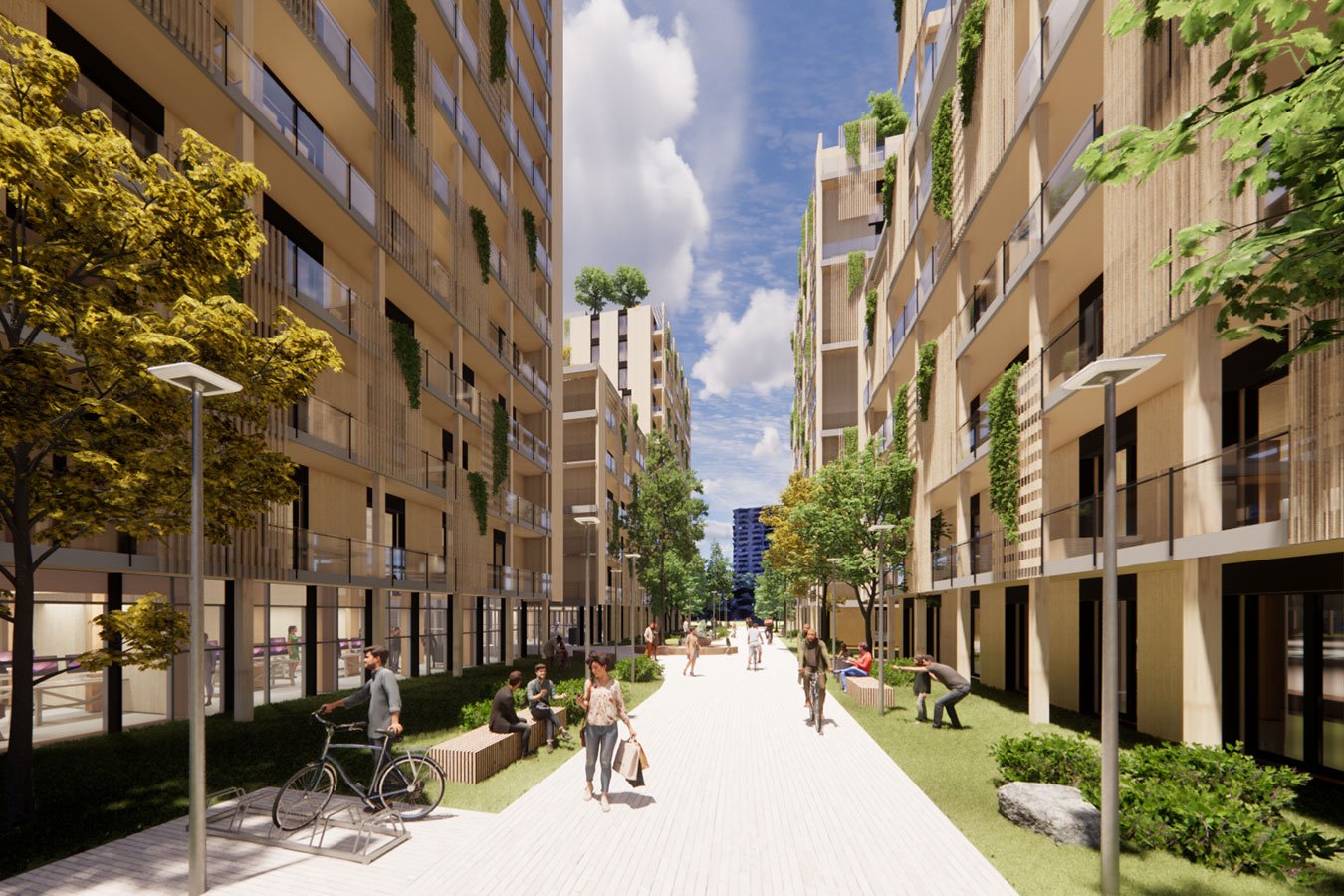
Compact cities are urban areas that prioritize high-density living, efficient land use, and minimal environmental impact. They are designed to reduce the need for long commutes, promote public transportation, and encourage walking and cycling. This approach not only lowers carbon emissions but also improves the quality of life for residents.
The Importance of Sustainable Urban Planning
Sustainable urban planning is crucial in addressing the challenges posed by rapid urbanization. By focusing on compact city designs, planners can create environments that are both livable and environmentally responsible. This involves integrating green spaces, energy-efficient buildings, and effective waste management systems.
For more insights on sustainable housing strategies, you can refer to the UN Habitat’s framework.
Benefits of Compact Cities
There are several advantages to adopting the compact city model:
- Reduced environmental footprint
- Efficient resource management
- Improved public health
- Enhanced economic opportunities
Reduced Environmental Footprint
Compact cities are designed to minimize land use and optimize resources, leading to a significant reduction in environmental impact. By concentrating development in smaller areas, these cities help preserve natural habitats and biodiversity.
Efficient Resource Management
Resource management is another key benefit of compact cities. With high-density living, cities can more effectively implement recycling programs and manage waste. This not only conserves resources but also reduces pollution.
Explore the role of recycled materials in construction for more sustainable practices here.
Improved Public Health
The design of compact cities encourages physical activity, as residents are more likely to walk or cycle to their destinations. Additionally, reduced air pollution and increased green spaces contribute to better overall health.
Enhanced Economic Opportunities
Compact cities often provide better access to jobs, education, and services, fostering economic growth and innovation. The concentration of businesses and services in close proximity can lead to more vibrant local economies.
Challenges of Compact Cities
While there are many benefits, compact cities also face challenges such as:
- Overcrowding
- Infrastructure demands
- Social inequality
Overcrowding
High population density can lead to overcrowding, which may strain public services and infrastructure. Effective urban planning and investment are essential to mitigate these issues.
Infrastructure Demands
The infrastructure required to support compact cities can be expensive and complex. This includes efficient public transportation systems, waste management facilities, and sustainable energy solutions.
Learn more about natural ventilation in building design to address infrastructure challenges here.
Social Inequality
Compact cities can sometimes exacerbate social inequality if not planned inclusively. Ensuring equitable access to housing, services, and amenities is crucial for creating fair and just urban environments.
Successful Examples of Compact Cities
Several cities around the world have successfully implemented the compact city model, serving as inspiration for others:
Curitiba, Brazil
Curitiba is renowned for its efficient public transportation system and innovative urban planning. The city has prioritized green spaces and sustainable development, making it a leader in urban sustainability.
Amsterdam, Netherlands
Amsterdam’s compact city design emphasizes cycling and public transportation, reducing reliance on cars. The city also boasts a high quality of life, with ample parks and recreational areas.
Vancouver, Canada
Vancouver combines high-density living with extensive green spaces and sustainable infrastructure. The city’s focus on renewable energy and environmental protection sets a benchmark for compact cities.
The Future of Compact Cities for Sustainability
As the world continues to urbanize, compact cities offer a promising solution to the challenges of sustainable development. By prioritizing efficiency, equity, and environmental responsibility, these cities can lead the way toward a more sustainable future.
FAQs
What is a compact city?
A compact city is an urban area designed for high-density living, efficient land use, and minimal environmental impact, focusing on public transportation and walkability.
Why are compact cities important?
Compact cities are important because they reduce environmental impact, improve public health, and foster economic opportunities while addressing challenges of urbanization.
What are the challenges of compact cities?
Challenges include overcrowding, infrastructure demands, and social inequality, which require effective planning and investment to overcome.
This article contains affiliate links. We may earn a commission at no extra cost to you.