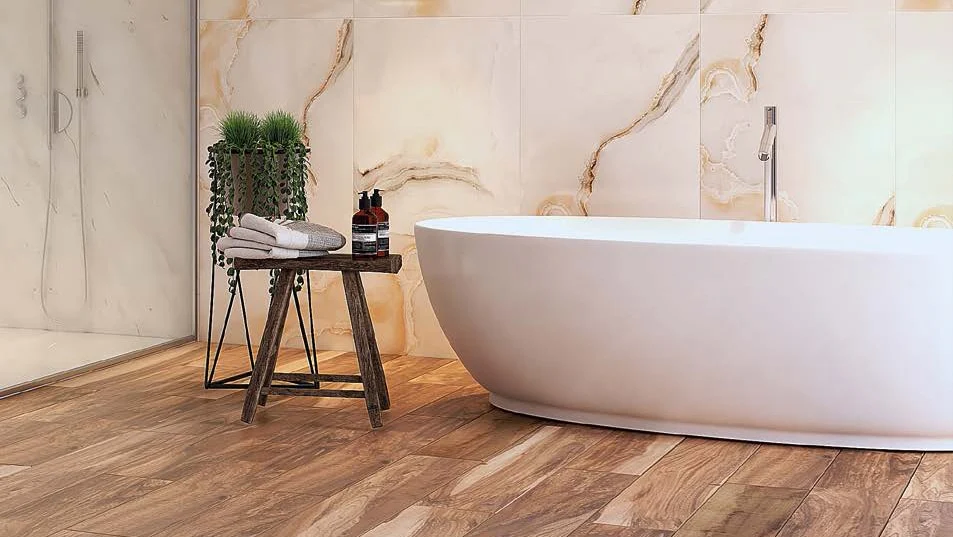
Preventing water damage in your bathroom starts from the ground up. One of the most important yet overlooked steps in any bathroom renovation or installation is ensuring a reliable bathroom subfloor moisture barrier. This protective layer shields your subfloor from water intrusion, mold, and structural damage, helping your flooring last longer and your space remain healthy. Whether you’re planning a remodel or tackling a DIY project, understanding the basics of moisture barriers is essential for a successful outcome.
Before diving into installation methods and material choices, it’s helpful to explore related resources. For instance, if you encounter issues during your project, the Bathroom floor repair guide offers practical solutions for common problems. These insights can help you make informed decisions and avoid costly mistakes as you work on your bathroom flooring.
Why Moisture Protection Matters for Bathroom Subfloors
Bathrooms are high-moisture environments. Everyday activities like showering, bathing, and even mopping can introduce significant amounts of water to the floor. Without a proper subfloor moisture barrier, this moisture can seep through tile grout, vinyl seams, or cracks, eventually reaching the subfloor. Over time, this can cause:
- Mold and mildew growth that threatens indoor air quality
- Wood rot in plywood or OSB subfloors, leading to structural weakness
- Warping and buckling of finished flooring
- Costly repairs and potential replacement of flooring and subfloor materials
Installing a moisture barrier is a proactive step that extends the lifespan of your bathroom floor and protects your investment.
Types of Subfloor Moisture Barriers for Bathrooms
There are several types of barriers designed to keep water away from your subfloor. Each has its own advantages, depending on your flooring choice and installation method.
Sheet Membranes
Sheet membranes are thin, flexible rolls of waterproof material (often polyethylene or similar plastics) that are laid directly over the subfloor. They are popular for tile installations and provide a continuous, seamless layer of protection.
Liquid-Applied Barriers
These are brush- or roller-applied coatings that cure to form a waterproof layer. Liquid barriers are ideal for irregular surfaces and can be used in corners and around drains where sheets might be difficult to fit.
Self-Adhesive Underlayments
Self-adhesive underlayments combine the ease of peel-and-stick application with effective moisture protection. They work well under vinyl, laminate, and engineered wood floors, providing both a vapor barrier and a slight cushion.

Choosing the Right Moisture Barrier for Your Bathroom
Selecting the best barrier depends on your flooring type, subfloor condition, and budget. Here are a few considerations:
- Tile floors: Sheet membranes or liquid-applied waterproofing are ideal, as they prevent water from seeping through grout lines.
- Vinyl and laminate: Self-adhesive or plastic sheet barriers work well, especially for floating floors.
- Concrete subfloors: Use a vapor barrier rated for concrete to prevent moisture from wicking up from below.
If you’re working with a tight budget, you might find inspiration in budget bathroom flooring ideas that pair affordable materials with effective moisture protection.
Step-by-Step Guide to Installing a Subfloor Moisture Barrier
Proper installation is key to ensuring your barrier performs as intended. Here’s a general process for most bathrooms:
- Prepare the subfloor: Clean thoroughly and repair any damage. Refer to the Bathroom floor repair guide if you find soft spots, cracks, or water stains.
- Measure and cut: For sheet membranes or underlayments, measure your space and cut the material to fit, allowing for overlap at seams.
- Apply the barrier: Lay down sheets, peel-and-stick underlayments, or roll on liquid barriers according to manufacturer instructions. Ensure all seams are sealed and edges are lapped up the wall slightly.
- Check for gaps: Inspect the entire area to make sure there are no holes or unprotected spots.
- Install flooring: Once the barrier is dry or set, proceed with your chosen floor covering.
Tips for Maintaining Your Bathroom Subfloor Barrier
Once your moisture protection is in place, a few simple habits will help it last:
- Wipe up spills and standing water promptly to reduce stress on the barrier.
- Inspect caulking and grout regularly and repair cracks or gaps as needed.
- Use bath mats and rugs to catch splashes and prevent water from pooling.
- Ventilate the bathroom well to reduce humidity levels.
If you’re installing new floors yourself, check out DIY bathroom flooring tips for beginners. These resources can help you avoid common pitfalls and ensure your subfloor stays protected.
Popular Flooring Options That Pair Well With Moisture Barriers
Not all bathroom floors are created equal when it comes to moisture resistance. Here are a few top choices that work well with modern barriers:
- Luxury vinyl plank: Durable, waterproof, and easy to install over a moisture barrier.
- Porcelain or ceramic tile: Classic and water-resistant, especially when paired with a waterproof membrane.
- Waterproof laminate: Newer products can be used in bathrooms when installed over a suitable underlayment.
For more inspiration, browse unique bathroom floor ideas that combine style, function, and moisture protection.
If you’re working with a small space, the best flooring for small bathrooms guide highlights space-saving picks that are compatible with moisture barriers.
Common Mistakes to Avoid When Installing Moisture Barriers
Even a high-quality barrier can fail if not installed correctly. Here are some pitfalls to watch out for:
- Skipping the barrier entirely, especially under tile or vinyl
- Leaving gaps or overlaps that allow water to penetrate
- Using the wrong type of barrier for your subfloor or flooring material
- Not sealing seams or edges, particularly around fixtures and walls
- Neglecting to repair subfloor damage before installation
For a smooth installation process, review bathroom floor installation tips before starting your project.
Frequently Asked Questions
Do I need a moisture barrier under tile in a bathroom?
Yes, a waterproof membrane or liquid-applied barrier is highly recommended under tile installations. It prevents water from seeping through grout lines and damaging the subfloor.
Can I use a plastic sheet as a moisture barrier for vinyl flooring?
Plastic sheeting is a common and effective option under vinyl floors, especially in bathrooms. Just ensure it is properly sealed at seams and edges for full protection.
How do I know if my subfloor already has water damage?
Signs include soft spots, discoloration, musty odors, or visible mold. If you suspect damage, consult a repair resource or professional before installing new flooring or a barrier.
Is a moisture barrier necessary for concrete subfloors?
Yes, concrete can wick moisture from below, so a vapor barrier is important to prevent water from reaching your finished floor.
What is the best way to maintain a bathroom subfloor barrier?
Keep the bathroom well-ventilated, wipe up spills quickly, and inspect grout and caulk regularly to prevent water from bypassing the barrier.