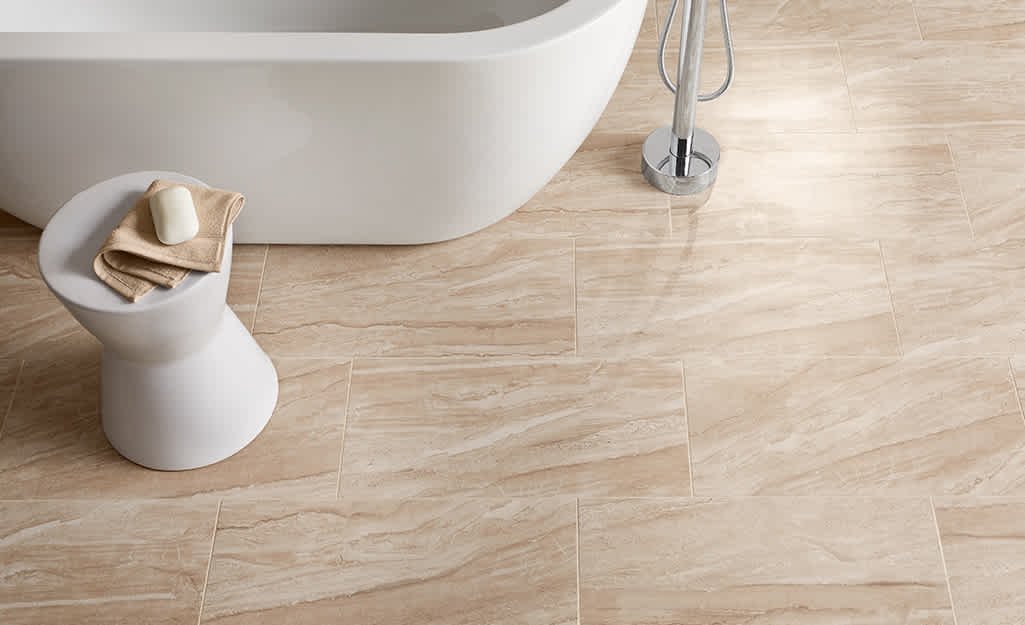
Renovating a bathroom is an exciting opportunity to refresh one of the most-used spaces in your home. However, the process comes with its own set of challenges—especially when it comes to choosing and installing new flooring. Overlooking key details can lead to costly repairs, water damage, or a less-than-ideal finish. Understanding the most common bathroom flooring mistakes to avoid can help you achieve a beautiful, durable result that stands up to daily use and moisture.
In this guide, we’ll highlight frequent pitfalls homeowners face during bathroom floor upgrades, offer practical tips to sidestep them, and share expert advice for a successful renovation. If you’re looking for more hands-on advice, our DIY bathroom flooring tips provide step-by-step instructions for beginners.
Overlooking Moisture Resistance in Flooring Selection
One of the most critical bathroom flooring mistakes to avoid is selecting materials that aren’t designed to handle moisture. Bathrooms are high-humidity environments, and not all flooring types are up for the challenge. Wood, for example, can warp or swell, while some laminates may delaminate if exposed to standing water.
To prevent future headaches, choose flooring that’s specifically rated for wet areas. Options like porcelain or ceramic tile, luxury vinyl plank, and certain natural stones are engineered to withstand splashes and humidity. For inspiration, explore modern bathroom flooring ideas that combine style with water resistance.
Neglecting Proper Subfloor Preparation
Even the best flooring can fail if installed over an uneven or damp subfloor. Skipping this crucial step is a frequent oversight during renovations. Before laying any new surface, ensure the subfloor is dry, level, and free of debris. Address any signs of mold, rot, or previous water damage.
If you notice soft spots or uneven areas, consult a bathroom floor repair guide to correct these problems before installation. Proper preparation not only extends the life of your new floor but also prevents costly repairs down the road.
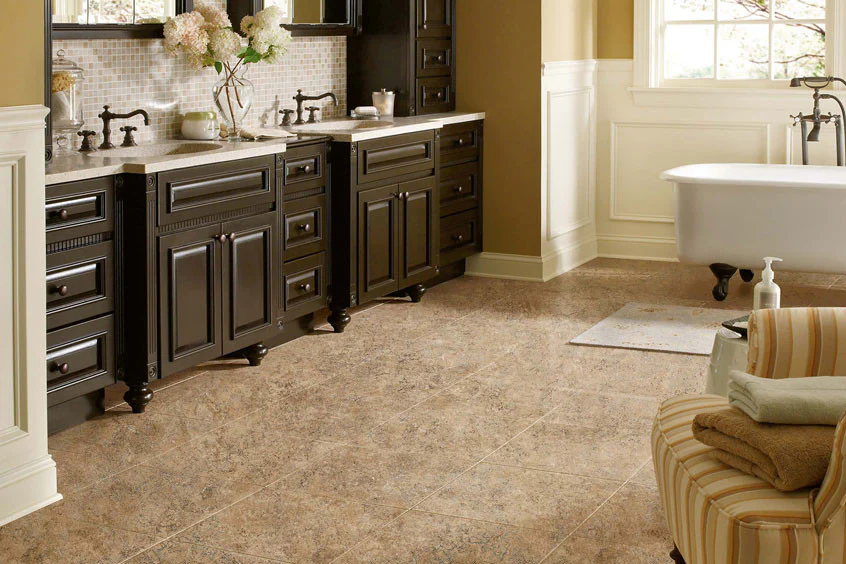
Ignoring Slip Resistance and Safety
Safety is often underestimated when choosing bathroom flooring. Surfaces that become slippery when wet can pose a significant risk, especially for children or older adults. Glossy tiles and polished stones may look appealing but can be hazardous.
To reduce the risk of slips and falls, opt for flooring with a textured or matte finish. Many manufacturers offer tiles with built-in slip resistance, which are ideal for wet zones. Always check the slip rating before making a final decision.
Poor Planning for Expansion and Contraction
Temperature and humidity fluctuations in bathrooms can cause certain flooring materials to expand or contract. Failing to account for this movement is a common error. Without proper expansion gaps, floors may buckle, crack, or separate at the seams.
When installing vinyl planks, laminate, or wood-look tiles, follow manufacturer guidelines for spacing. Use spacers along the perimeter and ensure transitions are flexible. This simple step helps maintain a flawless finish over time.
Choosing Style Over Functionality
It’s easy to be swayed by trendy designs, but not every stylish option is suitable for a bathroom. Prioritizing looks over performance can lead to disappointment if the floor doesn’t hold up to daily wear and tear. For example, some natural stones require regular sealing, while certain patterns may show water spots or stains more easily.
Balance aesthetics with durability. If you’re working with a compact space, our guide to the best flooring for small bathrooms can help you find options that maximize both style and practicality.
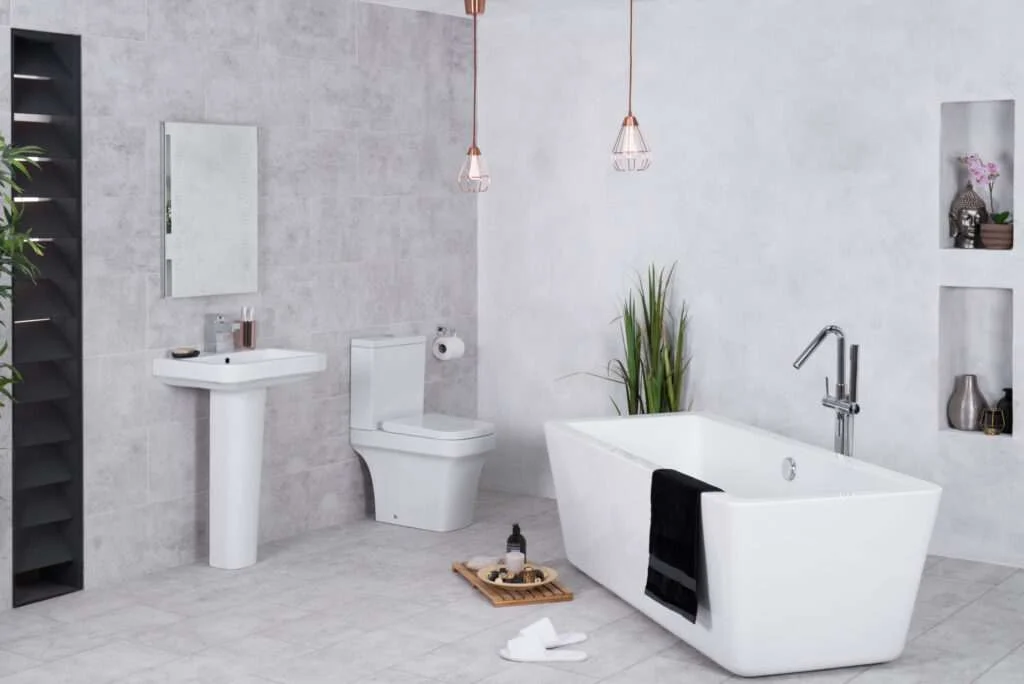
Skipping Professional Advice or Installation
While many homeowners are eager to tackle renovations themselves, some aspects of bathroom flooring are best left to professionals. Improper installation can void warranties, lead to leaks, or cause premature wear. If you’re unsure about any step, consult an expert or refer to our bathroom floor installation tips for guidance.
Even if you plan to DIY, getting a professional opinion on your material choice, subfloor condition, or layout can prevent expensive mistakes.
Failing to Budget for Hidden Costs
Many renovation projects go over budget due to unforeseen expenses. When planning your bathroom floor update, don’t forget to factor in costs for underlayment, waterproofing, trims, and labor (if hiring help). It’s also wise to purchase extra material to account for cuts, waste, or future repairs.
For those working with a tight budget, check out our budget bathroom flooring ideas for affordable options that don’t compromise on quality or appearance.
Frequently Asked Questions
What is the most common mistake when installing bathroom floors?
The most frequent error is choosing materials that aren’t water-resistant. Using flooring not rated for wet environments can lead to warping, mold, or early failure. Always select products designed for bathrooms and follow installation instructions closely.
How can I prevent my bathroom floor from becoming slippery?
Opt for flooring with a textured or matte finish, or look for tiles with a slip-resistance rating. Avoid high-gloss surfaces, and consider adding non-slip mats in high-traffic areas for extra safety.
Is it necessary to waterproof under bathroom flooring?
Yes, waterproofing the subfloor is essential to protect against leaks and moisture damage. Use a waterproof membrane or underlayment before installing tiles or planks, especially in areas prone to splashes or spills.
Can I install new flooring over existing tiles?
In some cases, yes—if the existing tiles are in good condition, flat, and well-adhered. However, you may need to use a leveling compound and ensure the new floor height won’t interfere with doors or fixtures.
How do I choose the right flooring for a small bathroom?
Look for light-colored, water-resistant materials that make the space feel larger. Large-format tiles or planks can reduce grout lines and create a seamless look. For more ideas, see our guide to the best flooring for small bathrooms.