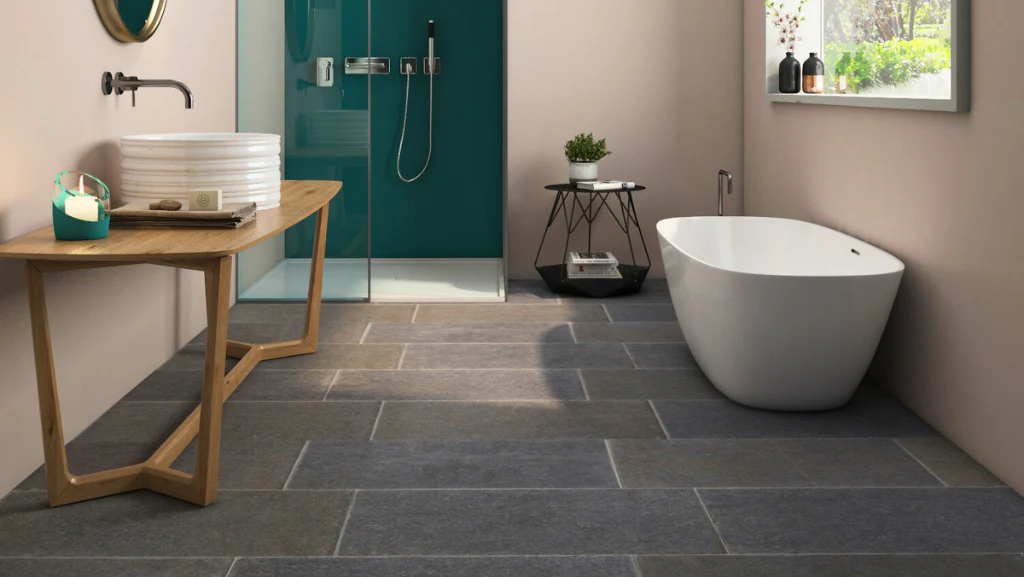
A bathroom floor waterproofing membrane is one of the most important elements for protecting your home from water damage. Whether you’re renovating an old bathroom or installing a new one, ensuring the floor is properly sealed can prevent costly repairs and provide peace of mind. This guide covers the essentials of waterproofing membranes for bathroom floors, including types, installation steps, and maintenance tips. By understanding the right products and methods, you can create a long-lasting, water-resistant foundation that stands up to daily use.
In addition to practical advice, you’ll find helpful resources for choosing materials and troubleshooting common issues. If you’re interested in learning more about fixing specific floor problems, the Bathroom floor repair guide offers detailed solutions for a range of concerns.
Why Waterproofing Matters for Bathroom Floors
Bathrooms are exposed to frequent moisture from showers, baths, and sinks. Without a reliable barrier, water can seep through tile grout, cracks, or seams, leading to mold, mildew, and structural damage. A waterproofing membrane for bathroom floors acts as a shield, preventing water from penetrating the subfloor and causing hidden issues.
Proper installation of a membrane is especially critical in areas with high humidity or where the floor is regularly exposed to standing water. Over time, even small leaks can compromise the integrity of your flooring and substructure.
Types of Waterproofing Membranes for Bathroom Floors
There are several types of membranes designed for wet areas. Choosing the right one depends on your bathroom’s layout, flooring material, and budget. Here’s a breakdown of the most common options:
- Sheet Membranes: These are large rolls or sheets made from materials like polyethylene or bituminous compounds. They are applied directly to the subfloor and seams are overlapped or sealed with tape.
- Liquid Membranes: Applied with a roller or brush, liquid membranes create a seamless, flexible barrier. They are ideal for irregular surfaces and corners, as they can be built up in layers for extra protection.
- Cementitious Membranes: These are powder-based products mixed with water and applied like a thin mortar. They bond well to concrete and masonry but may require a topcoat for flexibility.
- Self-Adhesive Membranes: These peel-and-stick products are easy to install and suitable for DIY projects. They work well under vinyl, tile, or laminate flooring.
For those starting out with home improvement, the DIY bathroom flooring resource provides beginner-friendly tips on choosing and working with these materials.
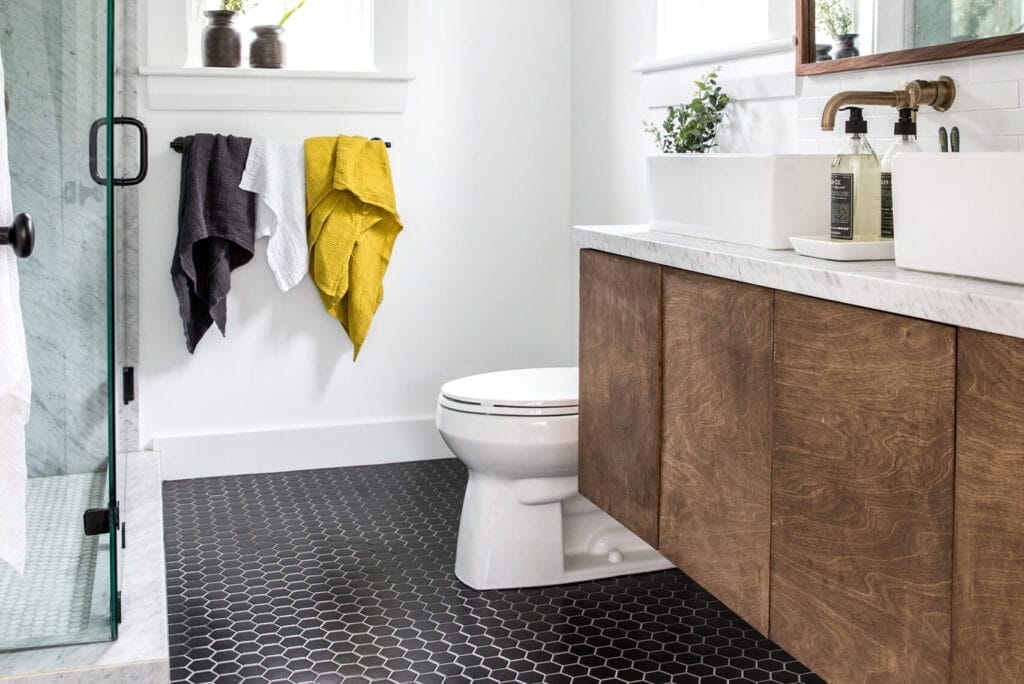
Step-by-Step: Installing a Waterproofing Membrane on Your Bathroom Floor
Applying a waterproofing membrane for your bathroom floor can be a manageable DIY project if you follow the right steps. Here’s a general guide to help you through the process:
- Prepare the Surface: Clean the subfloor thoroughly, removing dust, debris, and any loose material. Repair cracks or holes with a suitable filler and allow to dry.
- Prime the Area: Some membranes require a primer to ensure proper adhesion. Apply the recommended primer and let it cure as directed by the manufacturer.
- Apply the Membrane: For sheet membranes, cut to fit and lay them out, overlapping seams by at least 2 inches. For liquid membranes, use a roller or brush to coat the entire floor, including corners and up the wall a few inches.
- Seal Joints and Penetrations: Pay special attention to areas around drains, pipes, and wall junctions. Use reinforcing tape or extra membrane to seal these vulnerable spots.
- Allow to Cure: Follow the product instructions for drying and curing times. Avoid walking on the membrane until it is fully set.
- Install Flooring: Once the membrane is cured, you can proceed with tile, vinyl, or other bathroom flooring options.
For a smooth installation, check out these bathroom floor installation tips to avoid common mistakes and achieve a professional finish.
Choosing the Right Waterproofing Solution for Your Space
The best membrane for your bathroom depends on several factors, including the type of flooring you plan to use, the size of the room, and your budget. Sheet and liquid membranes are popular for tiled floors, while self-adhesive options are often chosen for vinyl or laminate.
Consider the following when making your selection:
- Compatibility: Ensure the membrane is suitable for your chosen floor covering.
- Ease of Installation: DIYers may prefer peel-and-stick or liquid membranes for their simplicity.
- Durability: Look for products with proven resistance to mold, mildew, and chemicals.
- Warranty: Some manufacturers offer extended warranties for their waterproofing systems.
If you’re working with a compact area, the best flooring for small bathrooms guide can help you maximize space while maintaining water resistance.
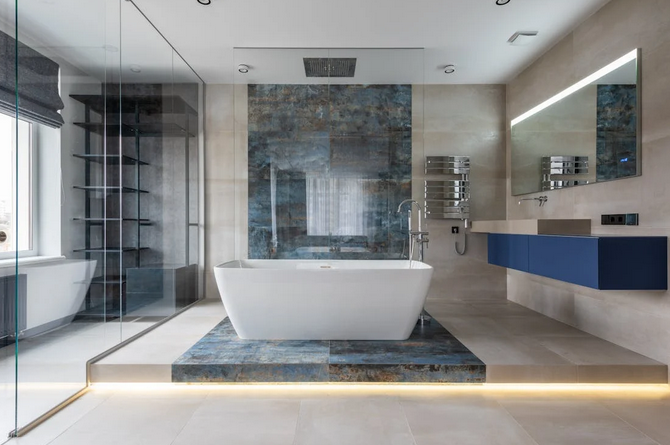
Maintaining Your Waterproofed Bathroom Floor
Once your bathroom floor waterproofing membrane is in place, ongoing care is straightforward but essential. Regularly inspect for signs of damage, such as cracked tiles or loose grout, which could allow water to bypass the membrane. Promptly repair any issues to maintain the integrity of your waterproofing.
Use gentle cleaning products to avoid degrading the membrane or flooring above. Avoid harsh chemicals that could weaken adhesives or sealants. If you notice persistent dampness or musty odors, investigate immediately to prevent long-term problems.
For more ideas on affordable and attractive finishes, explore budget bathroom flooring ideas that combine style with practicality.
Trends and Design Inspiration for Waterproof Bathroom Floors
Modern waterproofing solutions allow for a wide range of design choices. From classic ceramic tiles to contemporary vinyl planks, you can achieve both durability and visual appeal. For a look at current styles and creative layouts, see these bathroom flooring styles and trends for inspiration.
When selecting finishes, keep in mind that slip resistance and ease of cleaning are just as important as aesthetics. Many waterproof flooring options are available in textures and patterns that provide safety without sacrificing style.
Frequently Asked Questions
How long does a bathroom floor waterproofing membrane last?
Most high-quality membranes can last 10–20 years or more if installed correctly and maintained. The lifespan depends on the product, installation quality, and how well the floor is cared for over time.
Can I install a waterproofing membrane myself, or do I need a professional?
Many membranes are designed for DIY installation, especially peel-and-stick or liquid types. However, for complex layouts or large bathrooms, hiring a professional can ensure a watertight seal and long-lasting results.
What flooring can be installed over a waterproofed bathroom floor?
Most common bathroom floor coverings—such as tile, vinyl, laminate, and engineered wood—can be installed over a properly applied membrane. Always check manufacturer recommendations for compatibility and installation guidelines.