Persistent dampness and water damage on bathroom floors can lead to costly repairs, mold growth, and even structural issues if left unchecked. Understanding the causes of bathroom floor moisture problems is the first step toward protecting your home and ensuring a safe, comfortable environment. This guide covers common sources of excess moisture, how to spot early warning signs, and practical solutions for both minor and major issues.
Whether you’re dealing with minor condensation or more serious leaks, knowing how to address these challenges can save you time and money. We’ll also explore flooring materials that resist water damage and offer tips for ongoing maintenance. For those interested in more hands-on solutions, check out our bathroom floor repair guide for step-by-step instructions on tackling common issues.
Identifying the Causes of Excess Moisture
Before you can fix any water-related floor issue, it’s important to pinpoint the source. Bathroom floor moisture problems often stem from one or more of the following:
- Poor Ventilation: Without adequate airflow, steam from showers and baths lingers, leading to condensation on floors and walls.
- Leaky Fixtures: Dripping sinks, toilets, or bathtubs can allow water to seep beneath flooring materials.
- Damaged Grout or Caulk: Cracks or gaps around tiles and fixtures let water penetrate below the surface.
- Subfloor Issues: If the subfloor is not properly sealed or has sustained previous water damage, it can absorb moisture and cause ongoing problems.
- Plumbing Leaks: Hidden leaks within walls or under the floor can saturate materials without obvious surface signs.
Early detection is crucial. Look for symptoms such as persistent dampness, musty odors, loose or warped tiles, and visible mold growth along floor edges.
Common Signs of Water Damage on Bathroom Floors
Recognizing the early warning signs of moisture issues can help you act before the damage becomes severe. Some indicators include:
- Discoloration: Stains or dark patches on tiles, grout, or vinyl flooring.
- Soft or Spongy Spots: Areas that feel soft underfoot may indicate waterlogged subflooring.
- Peeling or Bubbling: Vinyl or laminate may lift or bubble due to trapped moisture.
- Mold and Mildew: Black, green, or white growth along baseboards or in grout lines.
- Persistent Odors: A musty smell often signals hidden mold or mildew.
If you notice any of these issues, it’s time to investigate further and consider repairs. For more advice on tackling these problems yourself, our DIY bathroom flooring article offers beginner-friendly tips.
Effective Solutions for Persistent Dampness
Once you’ve identified the source, you can take targeted steps to resolve the issue. Here are some proven fixes for ongoing dampness and water damage:
- Improve Ventilation: Install or upgrade an exhaust fan to remove steam quickly. Opening windows after showers also helps reduce humidity.
- Seal Grout and Caulk: Regularly inspect and repair grout lines and caulk around tubs, sinks, and toilets to prevent water intrusion.
- Fix Plumbing Leaks: Address any leaks from pipes, fixtures, or appliances immediately. Even small drips can cause significant damage over time.
- Replace Damaged Flooring: If tiles, vinyl, or laminate have been compromised, remove and replace them. Ensure the subfloor is dry and in good condition before installing new materials.
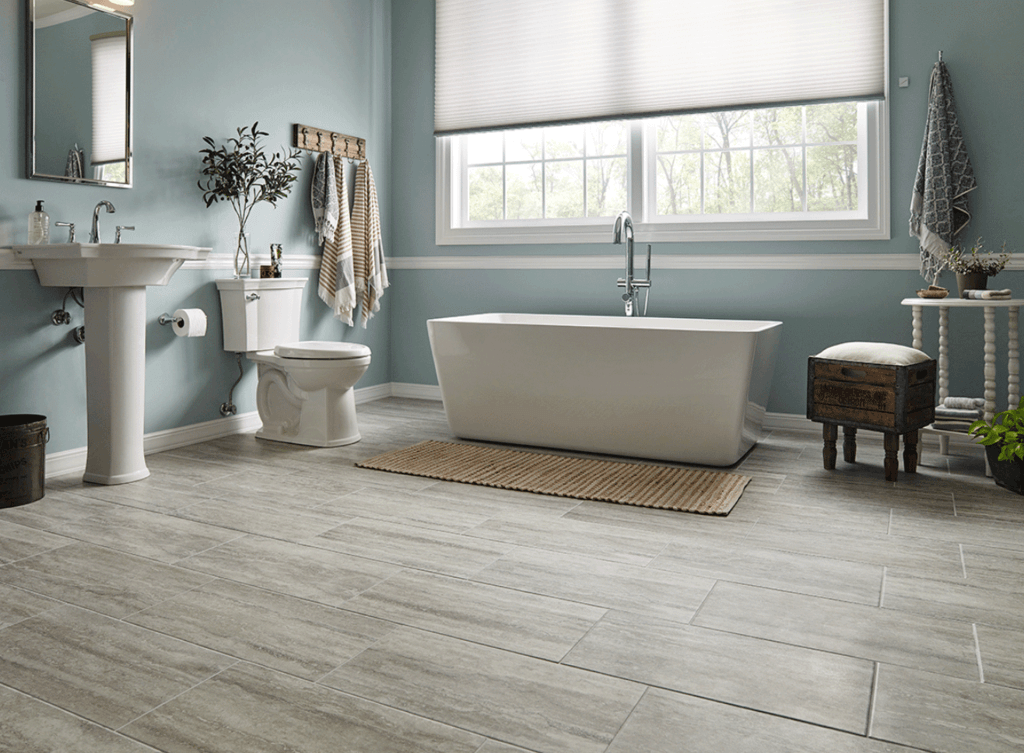
- Use Water-Resistant Materials: Opt for flooring designed to withstand moisture, such as luxury vinyl plank, porcelain tile, or sealed natural stone.
For more inspiration on affordable and stylish options, see our budget bathroom flooring ideas for practical solutions that look great and perform well in damp environments.
Choosing the Right Flooring to Prevent Water Issues
The best way to avoid future bathroom floor moisture problems is to select materials that resist water and are easy to maintain. Here are some top choices:
- Luxury Vinyl Plank: Highly water-resistant, easy to install, and available in a variety of styles.
- Porcelain or Ceramic Tile: Durable, waterproof, and available in countless designs. Ensure proper installation and sealing for best results.
- Natural Stone: When properly sealed, stone offers a high-end look and excellent water resistance.
- Sheet Vinyl: Seamless installation minimizes opportunities for water to seep through.
For more detailed advice on installation techniques, our bathroom floor installation tips cover best practices for a watertight finish.

Ongoing Maintenance and Prevention Tips
Preventing bathroom floor moisture problems is easier than dealing with repairs later. Here are some maintenance strategies to keep your floors dry and damage-free:
- Wipe Up Spills Promptly: Don’t let water sit on the floor after showers or baths.
- Check for Leaks Regularly: Inspect under sinks, around toilets, and near tubs for any signs of dripping or pooling water.
- Maintain Caulk and Grout: Reapply as needed to keep water from seeping into cracks.
- Use Bath Mats: Place absorbent mats near tubs and showers to catch drips and prevent puddles.
- Ventilate After Use: Run the exhaust fan or open a window to remove excess humidity after bathing.
For smaller bathrooms, choosing the best flooring for small bathrooms can also help manage moisture more effectively and make cleaning easier.
Expert Advice and Additional Resources
If you’re planning a renovation or simply want to upgrade your bathroom’s look and durability, exploring a range of flooring options is a smart move. For design inspiration and practical advice, check out this comprehensive guide to bathroom flooring ideas from House Beautiful. You’ll find tips on materials, styles, and installation to help you make the best choice for your space.
Remember, addressing moisture issues early can prevent expensive repairs and keep your bathroom safe and comfortable for years to come.
Frequently Asked Questions
What are the most common causes of moisture under bathroom floors?
The most frequent sources include poor ventilation, leaking plumbing, damaged grout or caulk, and water seeping through cracks in tiles or vinyl. Hidden leaks in pipes or fixtures can also contribute to persistent dampness beneath the floor surface.
How can I tell if my bathroom subfloor has water damage?
Signs of subfloor damage include soft or spongy spots when you walk, visible mold or mildew, musty odors, and tiles or vinyl that are loose or lifting. If you suspect subfloor issues, it’s important to address them quickly to prevent further deterioration.
What flooring materials are best for preventing water damage in bathrooms?
Water-resistant options like luxury vinyl plank, porcelain or ceramic tile, and properly sealed natural stone are ideal for bathrooms. These materials resist moisture, are easy to clean, and can be installed with minimal seams to reduce the risk of water infiltration.